


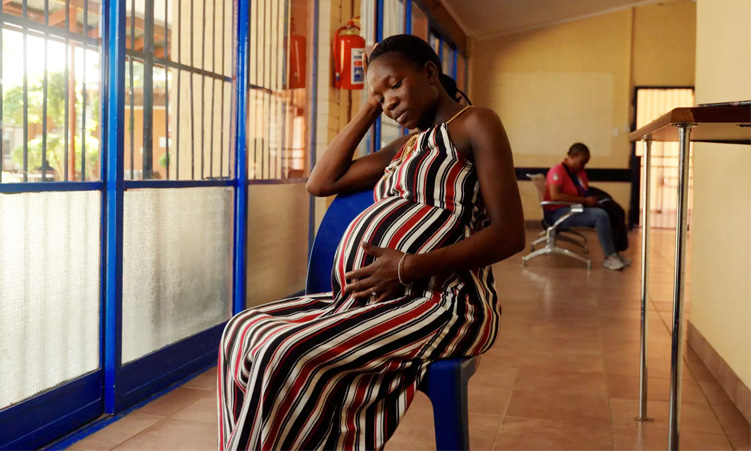
The DOWN Syndrome Association of Namibia has urged pregnant women to avoid behaviour that could lead to intellectual and developmental disabilities in babies.
The association’s chairperson, Levien Smit, said this at the National Disability Networking Forum in Windhoek yesterday.
She said drinking or smoking during pregnancy causes intellectual and developmental disabilities (IDD) in babies, producing babies with limited communication, learning and thinking functioning.
IDD is a condition which begins during the early developmental stages and affects a person’s behaviour, ability to learn, and communication skills.
Conditions include Down syndrome, autism, cerebral palsy and foetal alcohol disorders.
“A baby’s system cannot break down toxins as they are still developing, and this causes foetal alcohol syndrome. Children with such conditions struggle to interact in social settings and classrooms,” Smit said.
She said sexually transmitted diseases, car accidents and gender-based violence can also lead to such conditions.
She said IDD limits people’s health and safety, academic progress, self-care, social skills and leisure as their intelligence level is below 75%.
“They do not learn at the same pace and do not live independently. They are always behind,” Smit said.
She explained the difference between IDD and mental illness.
“IDD is permanent, while mental illness is temporary and can be reversed,” she said.
Smit said with only three special schools in the country and with a population of 3% of such children in Namibia, many do not attend school.
“These people need care and support. Service providers do not understand them; employment is difficult for them. Disability will never heal; they have it for life,” she said.
Meanwhile, Autism Association director Petra Dilman said with proper support and interventions, individuals on the autism spectrum can lead productive lives.
She said the country has a wonderful policy on inclusive education which needs to be implemented, saying many children with disabilities are at home with no support.
“There are only three such schools in Namibia, but considering the population, we need to build three special schools each day,” Dilman said.
She said autistic conditions can be treated, especially in cases where anxiety or epilepsy are involved.
Dilman cited the famous theoretical physicist Albert Einstein as an example, noting that his childhood reportedly displayed traits associated with autism spectrum conditions, yet he went on to function exceptionally well in adulthood.
Autism is a developmental condition that affects how individuals interact with the world around them.
In an age of information overload, Sunrise is The Namibian’s morning briefing, delivered at 6h00 from Monday to Friday. It offers a curated rundown of the most important stories from the past 24 hours – occasionally with a light, witty touch. It’s an essential way to stay informed. Subscribe and join our newsletter community.

The Namibian uses AI tools to assist with improved quality, accuracy and efficiency, while maintaining editorial oversight and journalistic integrity.
Stay informed with The Namibian – your source for credible journalism. Get in-depth reporting and opinions for
only N$85 a month. Invest in journalism, invest in democracy –
Subscribe Now!