



The imposition of tariffs at unprecedented rates and concerns of the potential disruption to the global economy no longer dominate media coverage.
However, it must be taken as a serious warning by African nations who should avoid being lulled into a false sense of security.
Not only is the continent blessed with an abundance of resources below and above the ground, but it has a growing number of young people that are the world’s producers and consumers of tomorrow.
The United Nations estimates that the world’s population reached 8.2 billion at the end of March, and it is set to grow throughout the 21st century but at a slower rate.
The world population doubled from three to six billion over four decades, from 1959 to 1999, but will only increase by 50% over the next 40 years.
India is the most populous country in the world, followed by China.
Generally, countries on the European continent have low or retracting population growth.
Reportedly, the population of the United States is still growing, but researchers are doubtful if it will continue growing significantly in future.
Asia has an ageing population and although the population numbers are increasing in Latin American countries, it is at a slower rate than in Africa.
The countries with the fastest-growing populations are in Africa, with annual growth rates above 3% in Equatorial Guinea, Benin, Chad, South Sudan, Niger, Angola, the Democratic Republic of Congo, and Uganda.
The downside of an overpopulated Africa is the displacement of wildlife species and degradation of ecosystems needed to sustain the continent.
Our concern must be how future generations of Africa will cope with the environmental and social challenges caused by overpopulation.
Population growth places pressure on the infrastructure of African countries, especially in countries with a blatantly obvious developmental lag, where scant attention is paid to upgrading urban and rural water and sanitary needs, housing, hospitals, schools, rail, roads, electricity and other basic human needs.
Populations are growing, and development must be tackled decisively and quickly.
There is an upside to making Africa the world’s continent of the future.
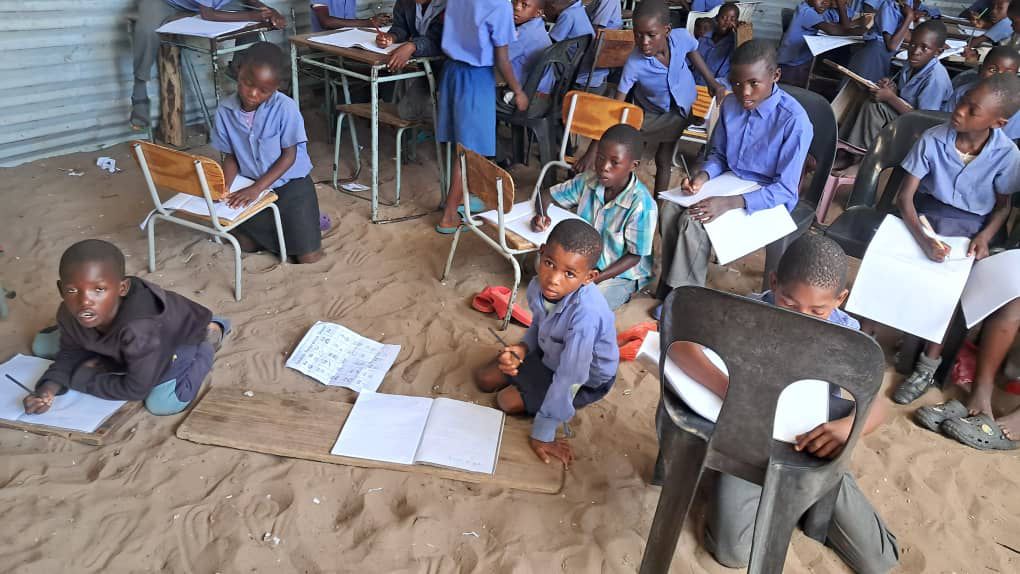
For the next century Africa’s population will comprise productive youngsters who, given the will and allocated resources, could be educated, trained and skilled to provide what is needed in a futuristic tech-driven world.
As a result of Africa’s rapid urbanisation, nearly half of sub-Saharan Africa’s urban population reside in slums and live in shacks.
Call it owner-built dwellings and informal settlements, but they are shacks and slums with no infrastructure, and an absence of water, hygienic sanitation, recreational areas, and other basic human needs.
The African Union (AU), and regional economic blocs such as the Southern African Development Community, Economic Community of West African States, East African Community and Economic Community of Central African States, must refocus attention on economics and regional integration, promote infrastructural development partnerships between countries to upgrade roads and rail, and build clean energy-generating facilities.
The AU must stop the politicking, bickering, skirmishes and squabbling that hog media headlines.
Change begins at home, and it is the responsibility of countries to invest in their youth as a means of a brighter future for the nation, and more broadly for Africa and its people.
– Danny Meyer is reachable at danny@smecompete.com
In an age of information overload, Sunrise is The Namibian’s morning briefing, delivered at 6h00 from Monday to Friday. It offers a curated rundown of the most important stories from the past 24 hours – occasionally with a light, witty touch. It’s an essential way to stay informed. Subscribe and join our newsletter community.

The Namibian uses AI tools to assist with improved quality, accuracy and efficiency, while maintaining editorial oversight and journalistic integrity.
Stay informed with The Namibian – your source for credible journalism. Get in-depth reporting and opinions for
only N$85 a month. Invest in journalism, invest in democracy –
Subscribe Now!