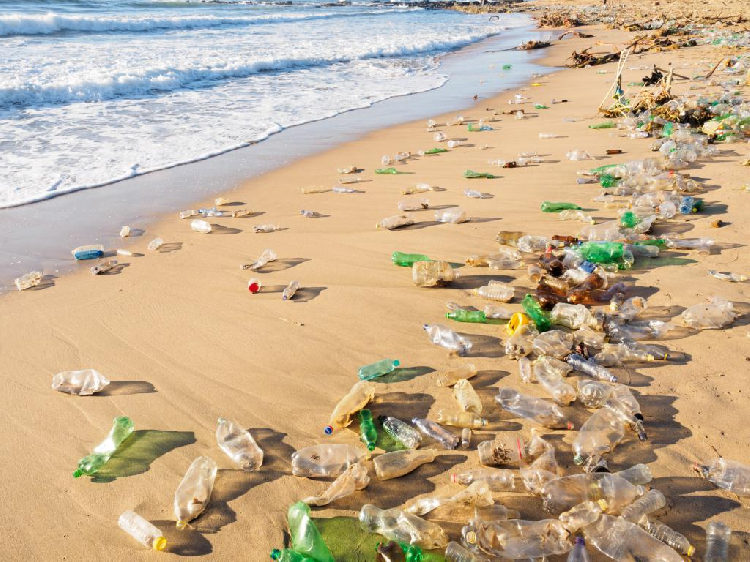
ABSALOM SHIGWEDHA and ARLANA SHIKONGOEFFORTS to address the problem of marine litter and pollution are mounting, as the challenge continues to disturb the marine environment and coastal areas of the world.
The Abidjan Convention, which is a convention for cooperation in the protection, management and development of the marine environment and coastal areas of the Atlantic Coast in west, central and southern Africa, is assessing the state of marine litter in these African regions.
Since 2019, the convention has hosted workshops for representatives of member countries to share information on the state of marine litter in their countries. This information will be used to make recommendations for the prevention and management of marine litter in these areas.
Namibia is party to the Abidjan Convention and the most recent of such workshops was held in Windhoek at the beginning of last year.
Executive secretary of the Abidjan Convention Abou Bamba says marine litter is a major threat to marine ecosystems and Africa stands to lose millions of dollars, as the litter is also a stumbling block to achieving the blue economy agenda.
At the workshop, Namibia’s deputy executive director in the ministry of works Jonas Sheelongo said marine litter and microplastic pollution are major problems facing humanity and threaten the achievement of the United Nations Sustainable Development Goals, particularly goal number 14 – ‘life below water’.
This goal calls for the sustainable management and protection of the marine and coastal ecosystems from pollution, and addressing the impacts of ocean acidification.
Sheelongo said every year eight million metric tonnes of plastic end up in the oceans and it is estimated that land-based sources account for up to 80% of the world’s marine pollution, 60-95% of the waste being plastic debris.
“Ocean transportation, which carries 90% of all world trade, is both a land- and sea-based source of marine litter, and examples of this include shipping and its associated waste, fishing gear, ports and near shore transportation,” he said.
Naude Dreyer, a marine conservationist and founder of Ocean Conservation Namibia, corroborates that much of Namibia’s marine litter comes from ships.
“Most of the litter we find here comes from ships and the fishing industry. It’s not really coming from Namibians leaving rubbish on the beach. Generally, Namibians are not too bad when it comes to littering,” he told The Namibian.
Reports show that since the onset of the coronavirus pandemic, there has been a surge in marine litter and pollution caused by disposable masks and latex gloves finding their way into the ocean.
The pandemic sparked increased demand for medical personal protective equipment such as disposable masks, latex gloves, gowns, aprons, hazmat suits and others.
Last year, Hong-Kong-based environmental group OceanAsia estimated that some 1,56 billion disposable masks would find their way into oceans. The masks have an estimated lifespan of 450 years.
“Using an annual global production estimate of 52 billion masks, we calculate that 1,56 billion masks will enter our oceans in 2020, amounting to between 4 680 and 6 240 tonnes of plastic pollution,” OceanAsia said in a report published in December.
The group estimated that 3% of all masks produced globally will enter the marine environment, and that figure may be much higher.
Marine litter and plastic pollution are an enormous threat to marine life and ecosystems, which ultimately affect human life.
In Namibia, however, the pandemic seems to have reduced the overall mass of litter at beaches, according to Dreyer’s observation.
“I’ve seen a few masks lying around, but, generally, I’ve been observing less litter since the pandemic started, because there are fewer people on the beaches.
“Walking along the lagoon at Walvis Bay, I’ve seen a few masks and things lying around, but that’s just from – as you see everywhere else – people dropping their masks or throwing them in the bin and the wind blowing them away.
Dreyer says Namibia has good clean-up initiatives along its coastline, with individuals and organisations making deliberate efforts to keep the coast clean.
In an age of information overload, Sunrise is The Namibian’s morning briefing, delivered at 6h00 from Monday to Friday. It offers a curated rundown of the most important stories from the past 24 hours – occasionally with a light, witty touch. It’s an essential way to stay informed. Subscribe and join our newsletter community.

The Namibian uses AI tools to assist with improved quality, accuracy and efficiency, while maintaining editorial oversight and journalistic integrity.
Stay informed with The Namibian – your source for credible journalism. Get in-depth reporting and opinions for
only N$85 a month. Invest in journalism, invest in democracy –
Subscribe Now!