




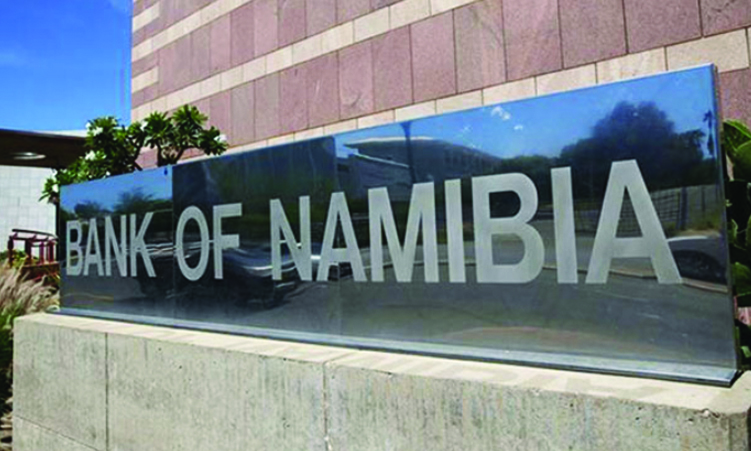
The International Monetary Fund (IMF) has advised Namibia’s central bank to pause the introduction of a retail central bank digital currency (RCBDC), and address foundational banking sector issues.
According to the ‘Namibia: Retail Central Bank Digital Currency Exploration and Roadmap’ report by the IMF, the Bank of Namibia (BoN) must address limited interoperability, restricted access for non-banks, high payment fees and long payment settlement times.
“The mission did not find a strong case for issuing RCBDC at present. After making significant progress, the BoN still faces challenges in addressing the gaps in the payment systems,” notes the report.
The IMF adds that retail digital currency will not solve the core problems causing financial exclusion.
Although both bank account ownership and digital payment usage in Namibia surpassed the regional average in sub-Saharan Africa, financial inclusion is not a given.
“Limited accessibility to digital infrastructure in rural areas, high digital transaction costs, [a] strong preference for cash and low financial literacy continued to be [the] main barriers to financial inclusion in Namibia.
The case for [retail digital currency] to improve financial inclusion will also rest on addressing common root causes for financial exclusion.”
Additionally, the advanced features of RCBDC, like offline use, rely “on technologies yet to mature for large-scale adoption, which may pose systemic risks if poorly designed and widely adopted,” notes the report.
Moreover, RCBDC could alter how money flows through the financial system, which “could pose challenges to BoN’s liquidity management and lead to increased volatility in short-term market rates”.
Liquidity management refers to a central bank’s ability to control the supply of money in the economy.
Furthermore, a retail digital currency could complicate the BoN’s foreign exchange reserve management if used by non-residents by creating unpredictable flows of the digital currency across borders, affecting the demand for and supply of foreign currencies.
Another concern is consumers holding their money as digital currency rather than keeping it in bank deposits, which are a significant source of funding for banks. This could weaken banks’ ability to lend money, which is essential for economic growth.
Speaking during a round-table discussion hosted by the central bank, governor Johannes !Gawaxab says Namibia has been able to develop regulations of those of advanced economies, despite being a developing country.
However, he cautions that this progress should meet local needs.
“While best-in-class frameworks offer valuable insights, they should not be adopted blindly; instead, regulations must be tailored to our local context to ensure they are fit for purpose.
Regulatory measures essential for financial stability must remain,” says !Gawaxab.
In an age of information overload, Sunrise is The Namibian’s morning briefing, delivered at 6h00 from Monday to Friday. It offers a curated rundown of the most important stories from the past 24 hours – occasionally with a light, witty touch. It’s an essential way to stay informed. Subscribe and join our newsletter community.

The Namibian uses AI tools to assist with improved quality, accuracy and efficiency, while maintaining editorial oversight and journalistic integrity.
Stay informed with The Namibian – your source for credible journalism. Get in-depth reporting and opinions for
only N$85 a month. Invest in journalism, invest in democracy –
Subscribe Now!