




More Namibians now use bank accounts and digital payments, yet 22% remain excluded, highlighting ongoing financial gaps and risks.
The percentage of Namibians with access to a bank account has increased from 51% to 78% in 10 years.
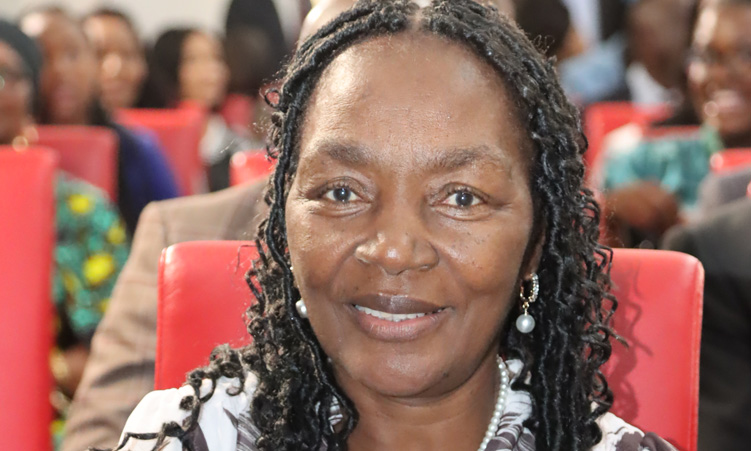
Minister of finance Ericah Shafudah, speaking during the recent 2025 Alliance for Financial Inclusion Global Policy Forum, said financial inclusion can be catalytic for reducing inequality.
The country is currently among one of the most unequal in the world with a Gini coefficient of 59.1.
“True financial inclusion extends far beyond access to a bank account. For us it is about granting economic agency, to empower our citizens to save securely, invest wisely, build resilience against shocks, and actively contribute to our national development,” she said.
Shafudah said although these advancements are to be celebrated, the country still has to work to ensure the remaining 22% is included in the financial system.
“We are critically cognisant of the fact that even with these strides, 22% of our population remains excluded, with this burden falling disproportionately on women, the youth, rural communities, people with disabilities, and the informal sector,” she said.
Additionally, financial literacy among adults has now reached over 65%. This progress was made through the Financial Literacy Initiative, led by the ministry and the Bank of Namibia (BoN).
The initiative expanded to include cybersecurity, fraud prevention, and safe borrowing practices.
Shafudah said this was because the country observed an alarmingly rapid increase in cyber and fraud-related incidents.
“While indiscriminate, it is often those at the periphery who suffer the most,” she said.
A BoN report for 2024 shows that electronic fund transfers were the dominant payment instrument used by Namibians, showing an increase in formal banking system inclusion.
Namibians made payments worth N$1.26 trillion with electronic payments, compared to cash transactions of N$5.61 billion in one year.
The trend shows that Namibians are moving away from traditional cash payment methods and embracing digital forms of payment.
Card payments and e-money followed, used to the value of N$199 billion and N$35.3 billion, respectively.
The latter’s growth reflects the growing popularity of mobile money platforms, such as eWallet, PayPulse and Nam-mic.
Cash was the least used form of payment in 2024 at N$5.61 billion, “reflecting a continued shift toward digital payment methods,” notes the report.
In an age of information overload, Sunrise is The Namibian’s morning briefing, delivered at 6h00 from Monday to Friday. It offers a curated rundown of the most important stories from the past 24 hours – occasionally with a light, witty touch. It’s an essential way to stay informed. Subscribe and join our newsletter community.

The Namibian uses AI tools to assist with improved quality, accuracy and efficiency, while maintaining editorial oversight and journalistic integrity.
Stay informed with The Namibian – your source for credible journalism. Get in-depth reporting and opinions for
only N$85 a month. Invest in journalism, invest in democracy –
Subscribe Now!