



CABINET has approved a proposal to allocate fishing quotas to about 103 individuals and entities whose fishing rights have expired, before the issuance of new fishing rights early next year.
The acting minister of fisheries, Albert Kawana, said at a media briefing on Monday that this decision was taken to ensure that the fishing sector continues to operate for the next three months until the ministry grants new fishing rights.
He added that this arrangement will ensure that companies operating on Namibian shores do not lay off workers for the next three months, while the government completes the evaluation of fishing rights and consequent applications for fishing rights.
About 16 000 people are employed in the fishing sector.
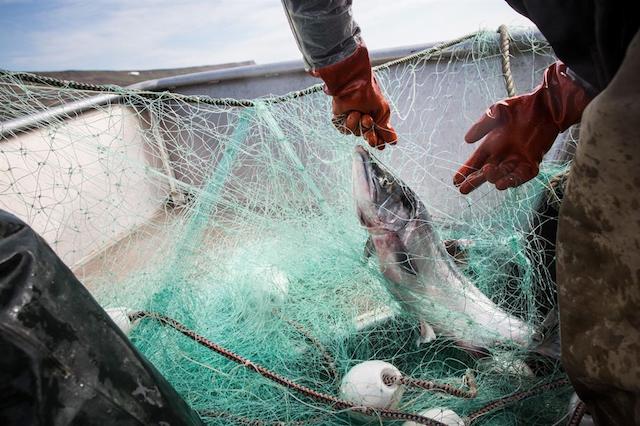
Fishing rights holders are allocated different quotas to harvest different fish species from Namibian shores every year.
More than 5 000 Namibians applied for fishing rights last year.
The processing of these applications, Kawana said, will only be completed by March next year before the ministry announces the names of successful applicants.
Those to be considered for this proposal include companies whose fishing rights have expired, but have employed a substantial number of people who could be negatively affected if they are not awarded fishing quotas.
Companies who own fishing vessels will also be considered, Kawana said. At the moment, 103 fishing rights issued over the last seven years have expired.
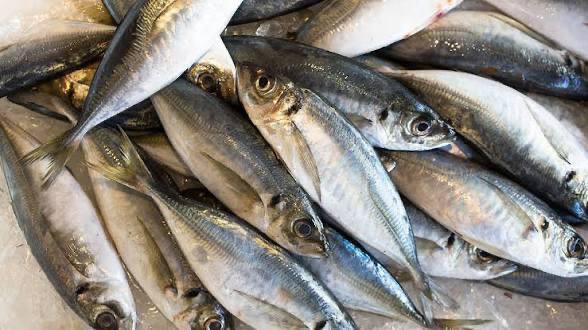
“So, to avoid the closure of the factories, one-third must be allocated now. Where we feel that in the past justice was not done, that will be rectified. The hake season has already started on 1 November, and the horse mackerel season will start in January. These are just fire brigade measures by the government to sustain the industry in the meantime to ensure that employment is not affected, and in turn the economy,” Kawana continued.
In the meantime, the acting minister said they were busy identifying some of the people and entities who do not deserve to be considered, “but where there will be implications, such as jobs, we will have to find alternatives”.
“Inasmuch as there were irregularities, you still have to consider the workers and the interest of other third parties such as financiers, for example. There may be some briefcase companies and some ghost companies. For those ones, there will be no negotiations,” he stressed.
Apart from allocating fishing quotas to expired rights holders, Cabinet also directed during its Friday meeting that Kawana must work out mechanisms on how to address the plight of those employees who lost their jobs in the fishing industry as a result of the reduced fishing quotas for their respective companies by former minister Bernhard Esau.
Kawana said he will work closely with the labour ministry, trade unions, and the industry “with the necessary speed to make sure that we resolve the matter”.
When asked whether the government in the past has been ignoring the fishermen who lost their jobs as a result of questionable deals by the former minister, he responded that they did not have the information they have now. He added that the investigations against the former minister and other people accused of corruption in the fishing sector will continue without hindrance, but Namibians must “pick up the pieces and move on”.
“The most important thing now is to grow the economy, and make sure that we create more employment opportunities in this sector. My appeal is let us pick up the pieces and move on as a nation,” he noted.
In an age of information overload, Sunrise is The Namibian’s morning briefing, delivered at 6h00 from Monday to Friday. It offers a curated rundown of the most important stories from the past 24 hours – occasionally with a light, witty touch. It’s an essential way to stay informed. Subscribe and join our newsletter community.

The Namibian uses AI tools to assist with improved quality, accuracy and efficiency, while maintaining editorial oversight and journalistic integrity.
Stay informed with The Namibian – your source for credible journalism. Get in-depth reporting and opinions for
only N$85 a month. Invest in journalism, invest in democracy –
Subscribe Now!