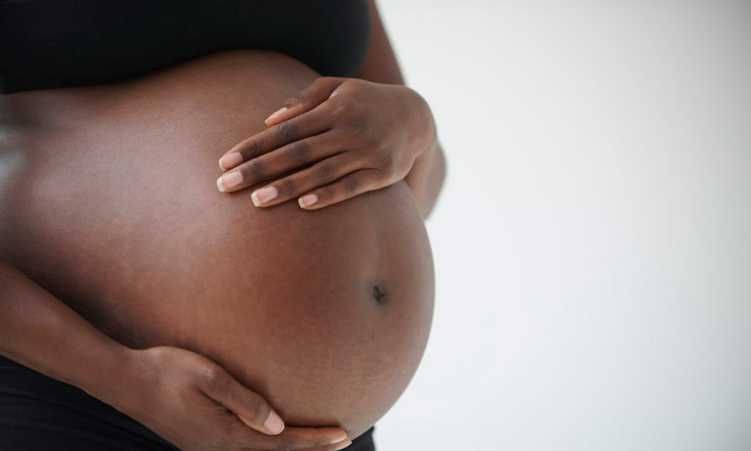
A Total of 1 912 women in Namibia died due to pregnancy-related complications in 2022.
This is according to the latest 2023 Population and Housing Census’ report. The deceased aged 15 to 49 died while pregnant, during childbirth, or within six weeks after delivery.
These deaths account for 5.6% of all female deaths in that age group.
“…5.6% of females died while pregnant, while 4.8% and 6.3% for urban and rural, respectively.
Regionally, Omaheke (9.6%) and Oshikoto (8.9%) recorded the highest number of women who died while pregnant,” part of the reports reads.
The Kavango West region, on the other hand, recorded 3% of women who died during childbirth, followed by Omaheke with 2.9% and Otjozondjupa with 2.8%.
Omaheke health director Jeremia Shikulo says he could not comment on the matter without authorisation from the executive director of the Ministry of Health and Social Services.
The ministry’s spokesperson, Walters Kamaya, did not respond to the questions sent to him and said he was waiting for a response from the maternal department.
Responding to the alarming maternal mortality figures revealed in the report, former minister of health Kalumbi Shangula describes the pregnancy-related deaths as deeply regrettable.
“I have always maintained that a woman should not die in the process of giving life,” Shangula says.
He notes that while the government has implemented interventions to reduce maternal mortality, certain medical emergencies and structural barriers remain difficult to overcome – especially in remote areas.
According to him, some maternal deaths are the result of severe pregnancy complications such as sudden-onset hypertension, ruptured uterus, and massive blood loss, which can become fatal if not managed in time.
“Some women die because of hypertension in pregnancy. A woman may have gone through antenatal care and then, during labour, develop uncontrollable high blood pressure and experience heavy blood loss. Eventually, the patient dies.
Those are unavoidable,” he says.
Shangula points to geographic and access challenges as a major factor in maternal deaths.
He says many women in rural Namibia live far from health facilities and often do not attend antenatal check-ups, preventing early detection of complications.
“There are cases where a woman goes into labour, the baby is too big, contractions are too strong, and the uterus ruptures.
If that happens in a hospital, it can be managed with emergency surgery. But if it happens in a remote area with no transport, and the clinic has no surgical facilities, by the time she’s referred to a hospital, it may already be too late,” he says.
In a similar case, Roman Joachim and Jakob Ndafenongo from Oikango village in the Oshana region filed a N$3.7 million civil lawsuit against the health ministry following the death of their one-month-old baby in November 2022 at Oshakati Intermediate Hospital.
According to court papers filed at the Oshakati High Court, the couple alleged that medical negligence during labour and delivery led to the baby’s death. They claimed medical personnel failed to provide proper care to both mother and child.
Joachim also lodged a formal complaint with the Health Professions Council of Namibia (HPCNA) in November 2022.
However, in a correspondence dated 13 August 2025, HPCNA registrar Cornelius Weyulu stated that investigations into the matter were still ongoing and no determination had been made.
“There is, therefore, no report or determination regarding the doctors’ conduct,” Weyulu wrote.
Alongside the maternal health crisis, the census also reveals a growing burden of non-communicable diseases in Namibia.
Cancer and hypertension have emerged as two of the leading causes of death across the population.
Out of 20 822 household deaths recorded in 2022, 1 538 deaths, were attributed to cancer, while 1 310 deaths, were caused by hypertension and stroke.
There are also noticeable differences in causes of death between men and women. Cancer is the second leading cause of death among women, accounting for 9.2% of all female deaths.
Among men, accidents rank second, making up 6.7% of male deaths. In total, 11 414 men and 9 408 women died in 2022, according to the census.
Other major causes of death reported include diabetes (620 deaths), lung disease (553 deaths), vomiting and diarrhoea (551 deaths), and heart disease.
Lung disease and diarrhoeal-related illnesses each accounted for approximately 2.6% of all deaths, while heart disease made up 2.4%. Deaths attributed to Covid-19 stood at 1.2% of the total.
Violent and external causes also contributed significantly to mortality in 2022. Suicide accounted for 698 deaths, while 460 people died from murder.
Natural disasters, such as floods and drought-related conditions, caused 1 260 deaths, representing 6.1% of the overall death toll.
The Namibian reported last month that the health minsitry was running short of essential medication for chronic health conditions such as HIV-AIDS, hypertension, psychiatric disorders, diabetes, and vitamin A that is administered to babies.