




Full Story

17.12.09

LAC scores first point in sterilisation court case

By: NANGULA SHEJAVALI

THE Legal Assistance Centre scored its first point in the highly controversial sterilisation case yesterday, when the High Court ruled in its favour on a legal point that was preventing the argument of the case going into full swing.

Following the ruling that the Public Service Act does not apply in the matter, the case of the 15 HIV-positive women, who are accusing Government of sterilising them without their informed consent, the arguments regarding the actual sterilisation can now resume.
When the case first took to the High Court in October, the Government had raised the legal point that the case could not move forward because the women’s action against Government did not comply with the Public Service Act of 1995. Section 33 of the Act states that a person instituting legal action against the Government has to do so within 12 months of the action arising, and only a month after written notice of has been given to argument.
In many cases, the legal action by the women against Government was only instituted more than 12 months after the sterilisation was done.
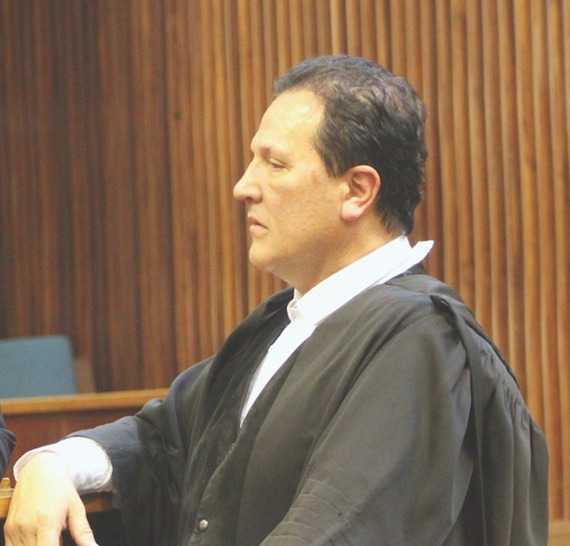
Arguing in Government’s favour on November 26, Advocate Andrew Corbett had said the Act was applicable because the medical personnel concerned in the matter were acting “within the course and scope of their employment with the Ministry of Health and Social Services and with the defendant (Government), alternatively within the ambit of the risk created by such employment.”
He argued that for this reason, the case had to be dismissed.
The LAC, on the other hand – with Advocates Dave Smuts and Natasha Bassingthwaighte arguing in its favour – had said that the Act could not apply to the women, as it only concerned Public Service employees.
“That law only regulates the employment affairs of the public servants, and not the delictual or contractual disputes of non-public servants against the Government,” the LAC had argued, quashing the application of the Act in this matter.
It had also stated that if the Court did not rule in its favour in this regard, the Supreme Court would have been approached to dismiss that section of the Act as unconstitutional, given the implications it would hold for any matter against the Government. It said that if applicable at large and not just to public servants, it would “severely limit the ordinary person’s right to approach a Court to the extent that it is a violation of the constitutional right to a fair trial.”
Judge Collins Parker yesterday gave his ruling on those November 26 arguments, agreeing with Smuts and Bassingthwaighte in this regard, and thus giving the LAC its first success in the matter.
But the bigger challenge is yet to come.
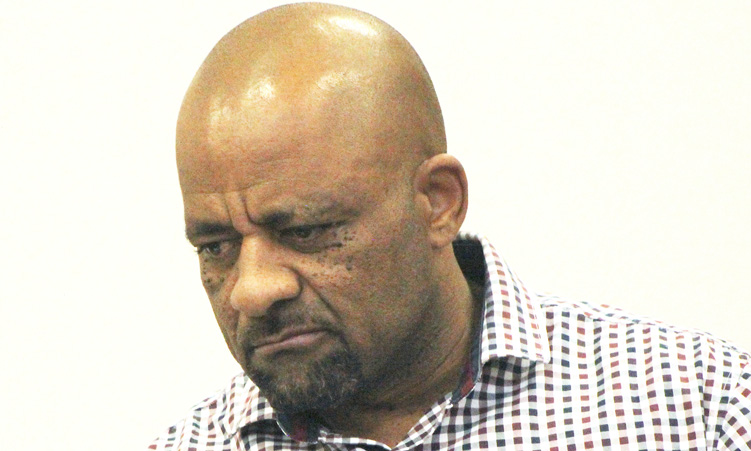
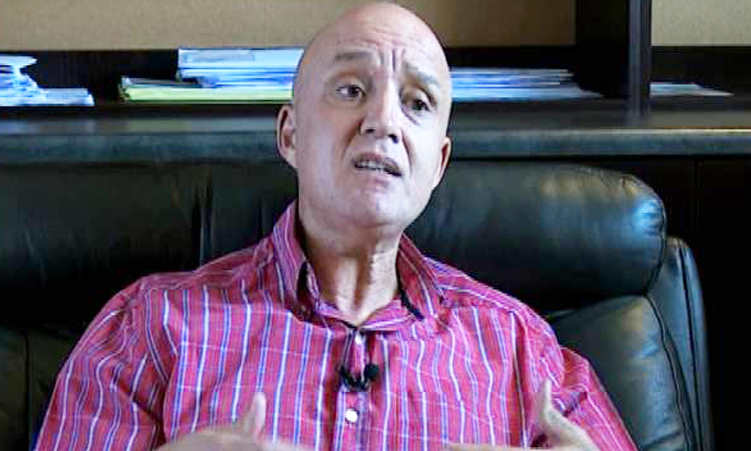
The Director of the Legal Assistance Centre, Norman Tjombe, yesterday said that following this ruling, the actual case would now continue “on the merits of whether or not the clients were unlawfully sterilised without their consent when they were in labour.”
It is expected that the case of the 15 women will return to the Court early next year. Each of the women is suing Government for a sum of N$1.2 million.
nangula@namibian.com.na


Fastest Internet in Namibia