



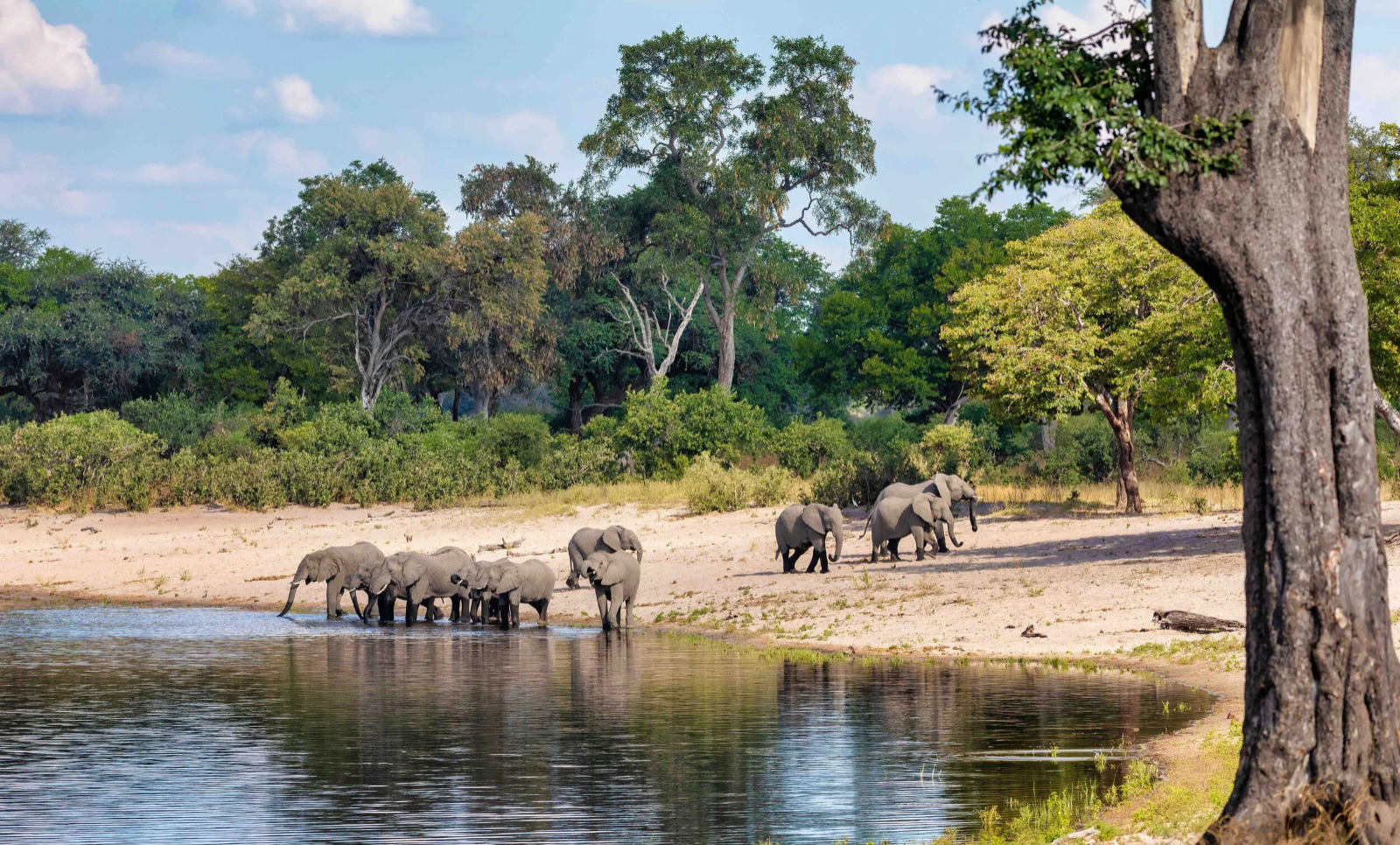
Enviromental industries in the Zambezi region, including hunting and ecotourism, have notched up a combined income of N$30 million over the past financial year, and created jobs for more than 1 200 people.
This is according to a parliamentary standing committee report on natural resources on the oversight visit in the Zambezi, Kavango East and Kavango West regions in August, tabled last week in parliament.
Committee chairperson Tobie Aupindi said the visit aimed to assess conservancies operating under the Community-Based Natural Resource Management programme, in terms of how they empower rural communities, contribute to wildlife management, eco-tourism, and related natural resource enterprises.
The report shows that each conservancy is allocated a three-year hunting quota and part of it is used to develop communities and education.
“No retrenchments have been recorded in the region’s conservancies since the Covid-19 pandemic. On the contrary, new contracts in tourism, hunting concessions, and donor-funded projects have created additional temporary jobs,” reads the report.
Last year and in the current year, 135 temporary jobs were created, while 127 permanent positions were retained.
The conservancies, in collaboration with the Kyarumacan Association, generated over N$6 million, with nearly N$1 million invested in social projects.
However, the report states, the overlapping of traditional lands continues to pose a major challenge and conflict to effective conservancy management.
It notes that some conservancies raised concerns about the reduction in the hunting quota from 24 to 18 elephants, saying it will disadvantage their income.
The report highlights human-wildlife conflict, noting that compensation for livestock losses and crop damage since 2023 remains insufficient.
However, the management committee assured the community that the outstanding financial benefits will be made available.
Despite this, Aupindi said the management programme needs urgent realignment from the initial concept in 1998, in order to meet current demands.
The committee noticed that despite a greater dependency on trophy hunting, these conservancies, either directly or through the Ministry of Environment and Tourism, have not produced a single trophy hunter.
The Muduva Nyangana Conservancy in the Kavango East region generates N$700 000 annually from conservation hunting, the operation of a community camping site, and the harvesting and marketing of the Devil’s Claw plant.
Since its establishment in 2016, the Maurus Nekaro Conservancy in the Kavango West region has implemented several projects that benefit both wildlife and communities.
This includes four boreholes drilled for wildlife at Magongo, Siparangwe, Paranyime, and Sipwi villages, and water point protection structures built at the Siparangwe, Nkaka, Sipwi, and Ehafo boreholes.
In an age of information overload, Sunrise is The Namibian’s morning briefing, delivered at 6h00 from Monday to Friday. It offers a curated rundown of the most important stories from the past 24 hours – occasionally with a light, witty touch. It’s an essential way to stay informed. Subscribe and join our newsletter community.

The Namibian uses AI tools to assist with improved quality, accuracy and efficiency, while maintaining editorial oversight and journalistic integrity.
Stay informed with The Namibian – your source for credible journalism. Get in-depth reporting and opinions for
only N$85 a month. Invest in journalism, invest in democracy –
Subscribe Now!