



Pupils in the Zambezi region are learning in unsafe, dilapidated schools, with crumbling classrooms, bat infestations, poor sanitation, and insufficient furniture and teaching resources.
These issues, among others, were revealed by both rural and urban school principals during a three-day oversight visit of the parliamentary standing committee on education, youth, civic relations, and community development to various education capital projects in the region.
During the engagement with the parliamentary committee, the principals called for urgency in addressing the myriad issues the schools are faced with to ensure Namibian children are taught in a conducive environment.
Masokotwani Combined School principal Mathews Java says the school’s septic tank is too small, leading to sewage frequently overflowing on the school grounds.
“Every three days we have to empty the septic tank in order for it not to overflow and cause health hazards. However, that is a very expensive exercise,” he says.
Java says teachers, as well as the hostel matron, school superintendent and supervisors are accommodated in poor structures.
He says neither teachers nor pupils have sufficient chairs and tables, while their newly constructed science lab lacks equipment and chemicals.
“Furthermore, the computer lab does not have computers. We urgently need computers to start with the computer science subject next year so our pupils can catch up with the digital world,” he says.
Katima Mulilo Combined School principal Petuho Mutabelezi says his school’s enrolment keeps increasing, while its classrooms are inadequate.
CRACKED WALLS
He says some of the classrooms are used despite their walls cracking.
“The majority of our school infrastructure is in need of renovation, while others need to be destroyed and rebuilt. However, it’s not happening,” he says.
Mutabelezi says the school is also facing sanitation issues, with sewage overflowing onto the school grounds, and ablution facilities being in a dilapidated state.
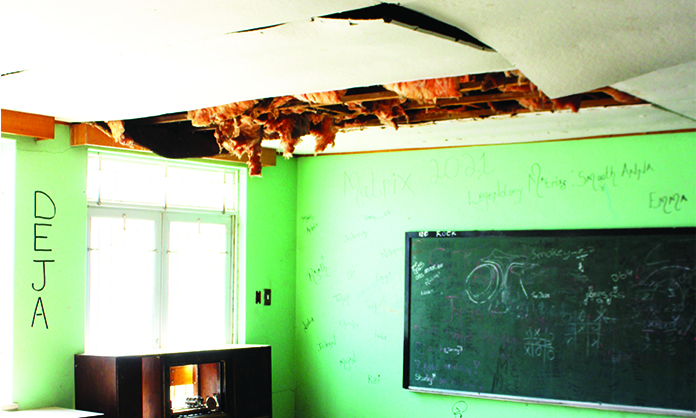
Nakabolelwa Combined School principal Mwaka Mayumbelo says bats have infested the school’s classroom ceilings, which have become uninhabitable due to the foul smell.
She says as a result of the bats, pupils have had to abandon two classrooms as the ceilings were on the verge of collapsing due to the bat infestation.
“As a solution, the directorate has removed the ceilings. However, it has caused another problem – hazardous electrical cables, which were damaged during the removal of the ceilings.
“The classrooms need urgent renovation. Furthermore, some of the classes do not have teachers, resulting in pupils writing exams without being taught,” she says.
Mayumbelo says the school does not have access to water at all and relies on the constituency office to provide it with water.
“We can go for days without water if the constituency office does not provide us with water. The new toilets that have been constructed during Covid-19 are not used because of the water challenges,” she says.
TAUGHT UNDER TREES
At the Mpukano and Muzzi schools, which are in the floodplains, the committee found challenges such as high absenteeism during the flooding season, damaged canoes, inaccessible clinics, poor ablution facilities, classroom ceilings being infested by bats, and pupils being taught under trees or in makeshift classrooms.
Additionally, the schools are not fenced, have no electricity, have a borehole constructed close to the septic tank, lack furniture, have ageing infrastructure, and teachers are accommodated in traditional huts, while pupils are accommodated in aged corrugated iron sheet rooms on the floor – exposed to cold weather and reptiles.
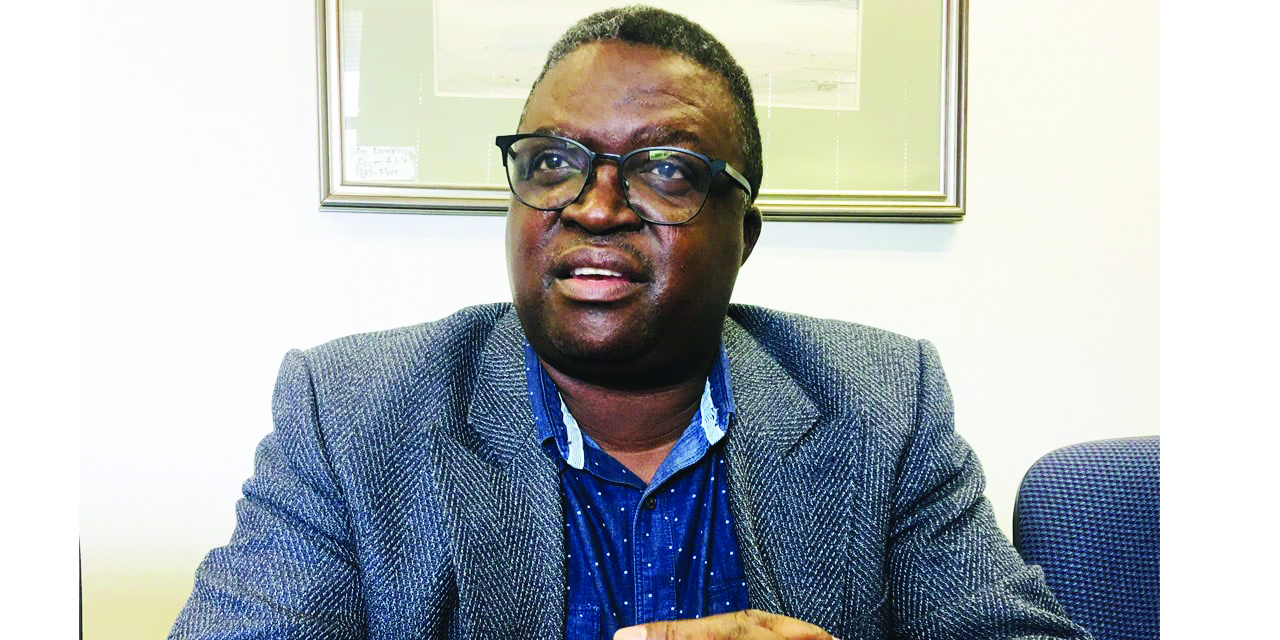
Committee deputy chairperson Austin Samupwa says visiting these schools has made committee members realise that more work remains to be done to ensure equitable education infrastructure throughout the country.
POOR PLANNING
“During our oversight, the committee identified several bottlenecks, including project delays, funding shortfalls, poor workmanship, and inadequate maintenance planning. We will continue to engage the ministry and relevant stakeholders to ensure that such obstacles are addressed and that the pace of infrastructure development matches the urgency of the needs of our pupils,” he says.
Dilapidated school infrastructure and sanitation challenges at schools seem to be a national crisis, as recent issues were also reported at several schools in the Kavango East region, and at !Oe#Gab Primary School in the Erongo region.
It has been reported that classrooms at schools in the Kavango East region are crumbling and unsafe.
Renovations have, however, been halted despite the government allocating N$10 million for these purposes.
Meanwhile, at Oe#Gab Primary School, about 16 pupils were recently hospitalised with diarrhoea and vomiting as a result of an ongoing sanitation crisis.
It’s reported that the school has been operating without running water and dysfunctional toilets for close to a year.
A school employee has told The Namibian that the pupils have been defecating in the open for months and are sometimes forced to pick up their own faeces to discard of it.
In August, prime minister Elijah Ngurare launched a nationwide campaign aimed at addressing dilapidated school infrastructure.
Through this campaign the government plans to ensure all schools have proper infrastructure, including functional bathrooms, laboratories, and other essential facilities.
It is furthermore aimed at creating a more supportive learning environment for children and helping achieve the country’s educational goals.
In an age of information overload, Sunrise is The Namibian’s morning briefing, delivered at 6h00 from Monday to Friday. It offers a curated rundown of the most important stories from the past 24 hours – occasionally with a light, witty touch. It’s an essential way to stay informed. Subscribe and join our newsletter community.

The Namibian uses AI tools to assist with improved quality, accuracy and efficiency, while maintaining editorial oversight and journalistic integrity.
Stay informed with The Namibian – your source for credible journalism. Get in-depth reporting and opinions for
only N$85 a month. Invest in journalism, invest in democracy –
Subscribe Now!