


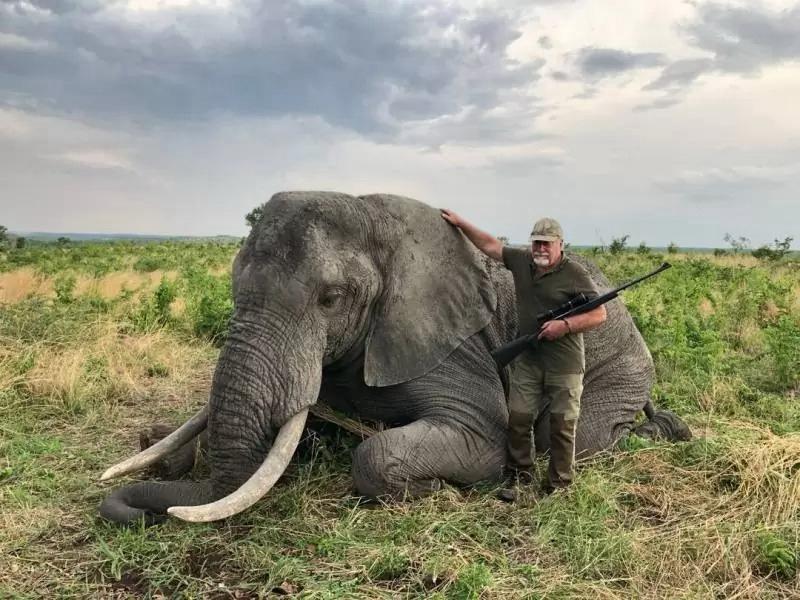
Communities in the Zambezi region say they are losing out on substantial income because the government has set elephant trophy hunting fees far below market value.
The issue was raised during a meeting with the parliamentary standing committee on batural resources this week, with stakeholders criticising the minimum fee of N$293 080 (US$17 000) for a trophy elephant.
According to the meeting report, “The current minimum price for a trophy elephant, set at US$17 000, was described as far below its actual market value, and the government was strongly urged to review this policy to ensure equitable benefit-sharing”.
Stakeholders told the committee that undervaluation, weak oversight of concession holders and outdated governance frameworks are preventing conservancies from benefiting fully from wildlife resources.
They warned that the lack of proper auditing mechanisms for concessionaires “enables under-declaration of earnings and deprives communities of fair returns”.
The Ministry of Environment, Forestry and Tourism reported that the Zambezi region’s fifteen conservancies generate more than N$30 million annually and provide employment to more than 1 200 people.
Conservancies are allocated three-year hunting quotas, but land conflicts, overlapping traditional areas and encroachment continue to undermine management.
The report noted that many conservancy officials lack the expertise to negotiate fair contracts or manage concessions directly, leaving communities heavily dependent on trophy hunting despite “limited capacity to meet concession standards or develop professional hunting plans”.
The meeting also found that conservancies have failed to diversify into new markets such as tourism, value-added enterprises and non-timber forest products, including devil’s claw.
Outdated community resource management systems, increasing human-wildlife conflict and slow compensation processes were highlighted as major challenges.
Governance issues such as nepotism, tribalism and weak management were cited, alongside threats from poaching, illegal harvesting of mopane trees and deforestation affecting community forests and biodiversity.
In an age of information overload, Sunrise is The Namibian’s morning briefing, delivered at 6h00 from Monday to Friday. It offers a curated rundown of the most important stories from the past 24 hours – occasionally with a light, witty touch. It’s an essential way to stay informed. Subscribe and join our newsletter community.

The Namibian uses AI tools to assist with improved quality, accuracy and efficiency, while maintaining editorial oversight and journalistic integrity.
Stay informed with The Namibian – your source for credible journalism. Get in-depth reporting and opinions for
only N$85 a month. Invest in journalism, invest in democracy –
Subscribe Now!