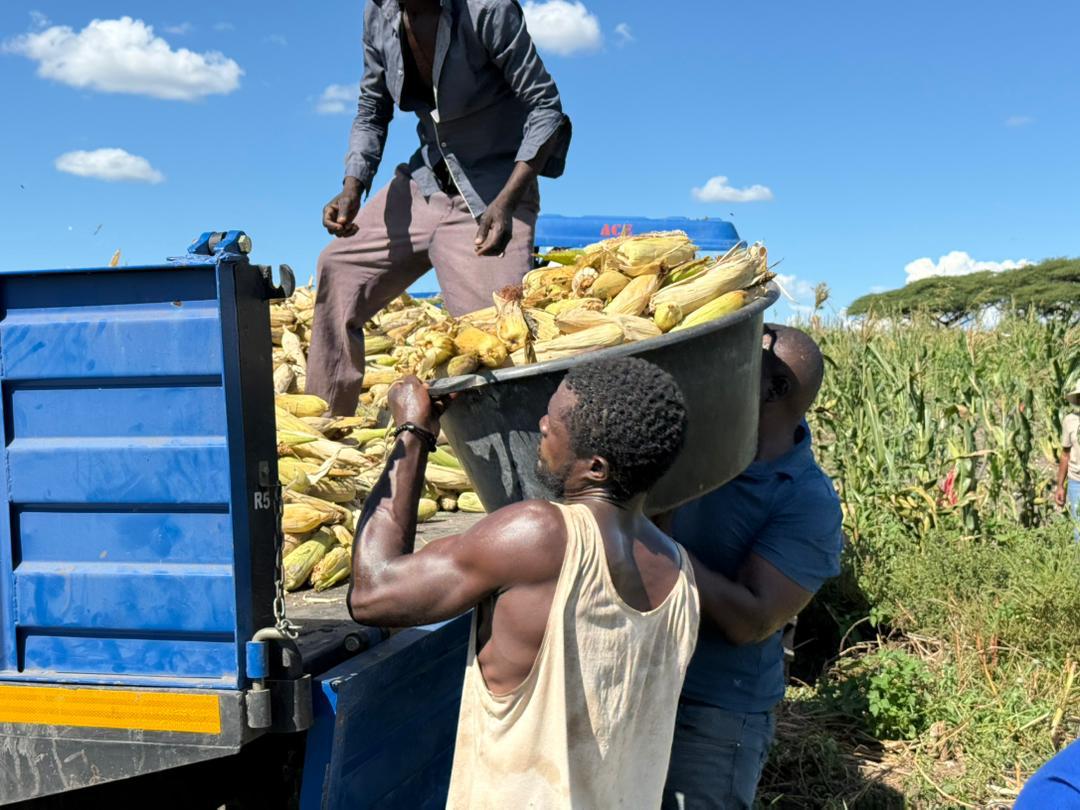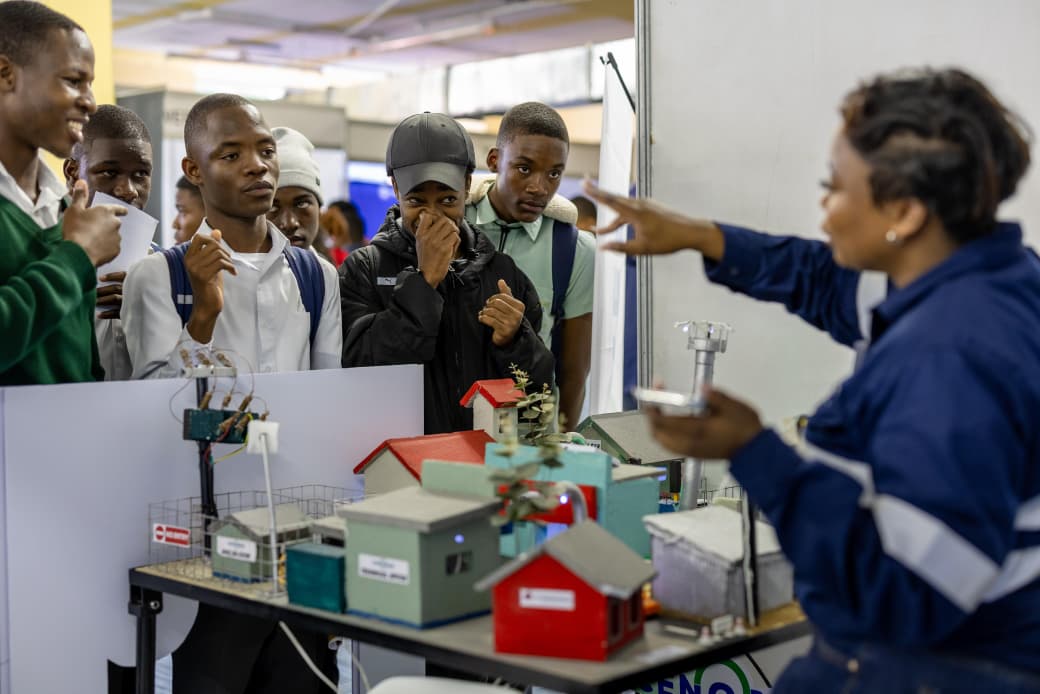




The World Food Programme (WFP), in partnership with other organisations, has successfully completed a nine-month emergency response initiative in Namibia.
The initiative supported the Namibian government’s emergency drought response plan that addressed the El Niño-induced drought.
A statement issued to Nampa on Sunday said a US$3 million (N$53 million) contribution from the United Nations Central Emergency Response Fund (UN-CERF) enabled the WFP to provide food and nutrition assistance to more than 63 000 vulnerable individuals across the country.
The programme, which ran from October 2024 to June 2025, specifically benefited the Kavango East, Kavango West and Omaheke regions.
Besides food aid, the project served as a platform for integrated service delivery.
The United Nations Children’s Fund (Unicef) offered outreach and basic health screenings to more than 83 500 people at food distribution sites and facilitated referrals for malnourished children, while the United Nations Population Fund (UNFPA) reached more than 22 400 people with sexual and reproductive health services and gender-based violence support through daily mobile outreach in schools and communities.
A community feedback mechanism was also established, allowing affected populations to share their needs, concerns and suggestions to help improve the response.
Naouar Labidi, the WFP country representative in Namibia, said the emergency response was about more than just delivering food.
“It was about restoring dignity and hope to communities hit hardest by the drought. Thanks to the generous support from UN-CERF and our collaboration with the Office of the Prime Minister and UN partners, namely Unicef and UNFPA, we reached tens of thousands of people with vital humanitarian assistance. But we also used this moment to invest in local capacity, strengthen partnerships and help communities build the resilience they need to face climate shocks,” Labidi stated.
The CERF contribution allowed more than 41 000 people (nearly 7 000 households) to receive three rounds of food vouchers. The vouchers enabled them to purchase essential items like maize meal, canned fish and cooking oil from 25 participating retailers.
Labidi highlighted that this not only met immediate needs but also boosted the local economy by supporting local businesses, creating employment opportunities and strengthening local supply chains, thereby laying the groundwork for longer-term resilience.
Furthermore, 22 000 children received nutritious meals from 155 soup kitchens.
Labidi reaffirmed the WFP’s commitment to working closely with the Namibian government, UN agencies and partners to strengthen food systems, build community resilience and enhance emergency preparedness for future climate shocks.
In an age of information overload, Sunrise is The Namibian’s morning briefing, delivered at 6h00 from Monday to Friday. It offers a curated rundown of the most important stories from the past 24 hours – occasionally with a light, witty touch. It’s an essential way to stay informed. Subscribe and join our newsletter community.

The Namibian uses AI tools to assist with improved quality, accuracy and efficiency, while maintaining editorial oversight and journalistic integrity.
Stay informed with The Namibian – your source for credible journalism. Get in-depth reporting and opinions for
only N$85 a month. Invest in journalism, invest in democracy –
Subscribe Now!