


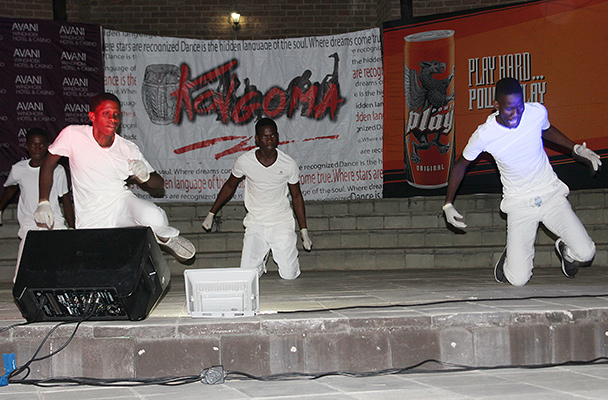
The Namibia International Dance Organisation Workshop took place in Windhoek from Tuesday, 6 February to Wednesday, 7 February, with implementing dance in schools being the topic of discussion.
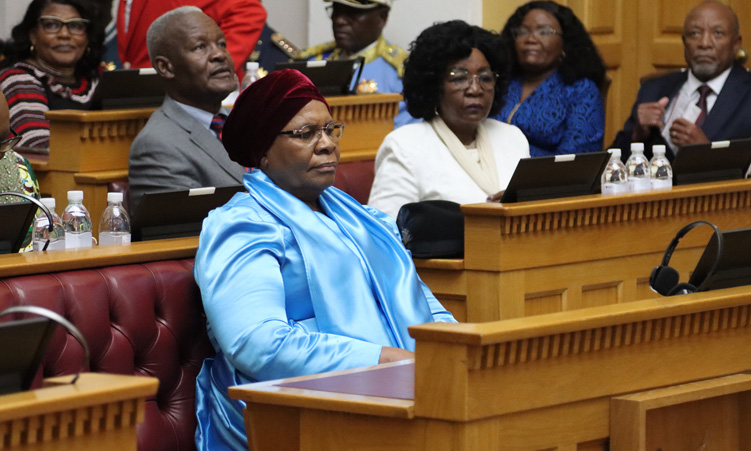
The workshop, which was hosted at Olympic House in Windhoek, saw the deputy minister of sport, youth and national service, Agnes Tjongarero, Joan Smith, the secretary general of the Namibia National Olympic Committee and Namibia Commonwealth Games Association, Kirsten Dan Jensen, an International Dance Organisation (IDO) Africa ambassador as well as Graig Bullock from the Dance Sport School League in attendance.
According to Bullock who delivered a presentation, there are several benefits to dance as a sport in education. “Dance- Sport follows the most successful sporting structures like rugby, cricket, netball and the hockey format.” There are four levels in the dance curriculum: District, regional, provincial and national, and each level is examinable.
“Most of today’s youth are lazy. Dance makes them move, have fun, exercise, listen to cool music, build self-esteem and gives our youth confidence,” Bullock said.
South Africa has been on the World Dance Competition stage since the 1990s, and has won the World Championships in Street Dance in 2010, staying in the top 10 dance countries in the world since then. Namibia has a chance as well.
“You can become a DanceSport choreographer, coach, judge, examiner, etc. The World Economic Forum has recently suggested that by 2020, creative thinking will be third on the list of the most important skills needed to survive and thrive in the global economy,” Bullock further presented. Now more than ever before, creativity is going to be considered – and dance is the new age career that will need to be developed more.
In terms of school principals, Bullock felt that there would lead to positive and proactive roles in improving schools and urged a DanceSport School League be implemented in the school education. So far, DanceSport has been set up in Australia and New Zealand, while countries such as Mauritius, Netherlands and Denmark, among others, have shown interest in the programme.
In an age of information overload, Sunrise is The Namibian’s morning briefing, delivered at 6h00 from Monday to Friday. It offers a curated rundown of the most important stories from the past 24 hours – occasionally with a light, witty touch. It’s an essential way to stay informed. Subscribe and join our newsletter community.

The Namibian uses AI tools to assist with improved quality, accuracy and efficiency, while maintaining editorial oversight and journalistic integrity.
Stay informed with The Namibian – your source for credible journalism. Get in-depth reporting and opinions for
only N$85 a month. Invest in journalism, invest in democracy –
Subscribe Now!