




Hurricane Melissa is causing havoc in Jamaica as the Caribbean nation faces the strongest storm in its modern history.
The hurricane, which weakened briefly Tuesday night before strengthening again to a category four storm with wind speeds of 209km/h, is heading towards Cuba and then the Bahamas. Earlier, Melissa made landfall on Jamaica’s coastline with winds of more than 297km/h.
A Meteorological Service of Jamaica official had warned conditions would get “significantly worse” through the day and the United States National Hurricane Centre predicted “catastrophic winds, flash flooding and storm surges”.
Jamaican authorities urged residents and visitors to continue sheltering, as nearly a third of the country’s last power.
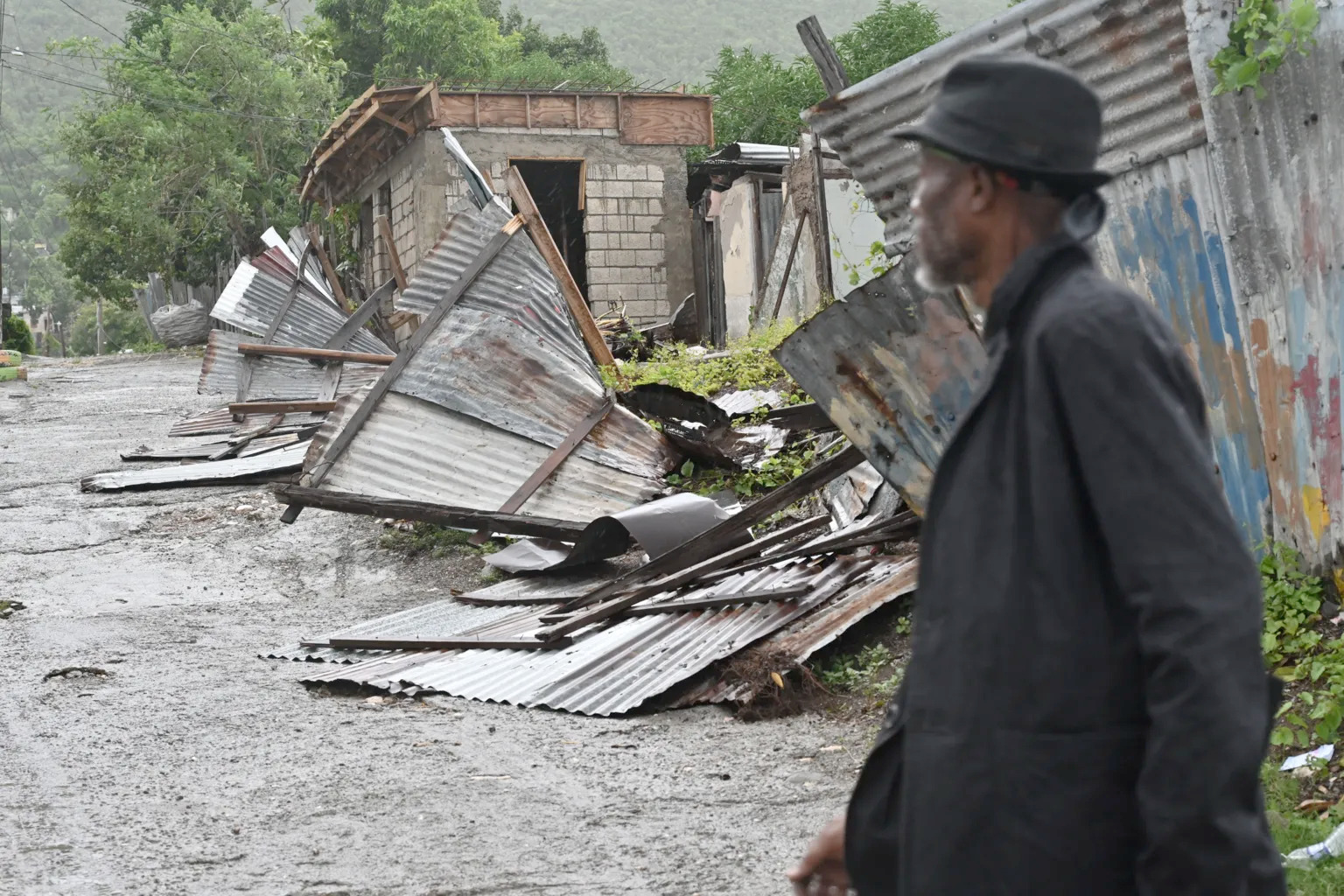
Photos emerging from Jamaica since Hurricane Melissa made landfall show fallen trees and damaged homes.
“It’s a catastrophic situation,” World Meteorological Organisation tropical cyclone specialist Anne-Claire Fontan said at a press briefing, warning of storm surges up to four metres high. “For Jamaica, it will be the storm of the century, for sure.”
Roofs have been torn off hospitals, former Jamaican senator Imani Duncan-Price told the BBC.
“People are trying to rescue people in the middle of the storm just to save lives.”
Up to 76cm of rain is expected in some parts, with areas already experiencing flash flooding. Around 70% of the island’s 2.8 million population lives within 5km of the sea.
Jamaican prime minister Andrew Holness told CNN that he expects “devastating impacts”.
“Reports that we have had so far would include damage to hospitals, significant damage to residential property, housing and commercial property as well,” he told host Anderson Cooper on Tuesday night.
The government has not received any new reports of storm-related deaths, Holness said, but given the strength of the storm, he is “expecting that there would be some loss of life”.
Wildlife is also a threat. Flooding may displace crocodiles from their natural dwellings, Jamaican health officials say.
“Rising water levels in rivers, gullies and swamps could cause crocodiles to move into residential areas,” the South East Regional Health Authority says in a statement.
“Residents living near these areas are, therefore, advised to remain vigilant and avoid flood waters.”
Winston Warren, who says he lives less than 1km from the ocean, describes “a constant roar of water”.
“There are times you just wonder – are the waves going to come crashing into your house?” he says. “We’ve seen a lot of roofs blown off.”
One woman told the BBC: “There is water coming in through the roof of my house. I am not okay.”
The slow-moving storm is expected to remain powerful as it crosses Jamaica, whose highland communities are vulnerable to landslides and flooding.
Even before the eye of the hurricane reached land, the region experienced extreme weather and fatalities. On Monday, Jamaica’s government said three people had died in “storm-related” incidents, involving falling trees.
The storm is heading towards Santiago de Cuba, Cuba’s second-largest city. The NHC’s latest Tuesday night advisory tracked the hurricane about 177km southwest of Guantanamo Bay, Cuba.
In Cuba, authorities say they evacuated about 500 000 people from areas vulnerable to winds and flooding.
“Melissa will arrive with force, and there’s great concern about what it could destroy in its wake,” Cuban president Miguel Diaz-Canel said in a message published in state newspaper Granma.
– BBC
– Additional reporting by Brandon Drenon and Gabriela Pomeroy
In an age of information overload, Sunrise is The Namibian’s morning briefing, delivered at 6h00 from Monday to Friday. It offers a curated rundown of the most important stories from the past 24 hours – occasionally with a light, witty touch. It’s an essential way to stay informed. Subscribe and join our newsletter community.

The Namibian uses AI tools to assist with improved quality, accuracy and efficiency, while maintaining editorial oversight and journalistic integrity.
Stay informed with The Namibian – your source for credible journalism. Get in-depth reporting and opinions for
only N$85 a month. Invest in journalism, invest in democracy –
Subscribe Now!