





City of Windhoek cautions against illegal connections
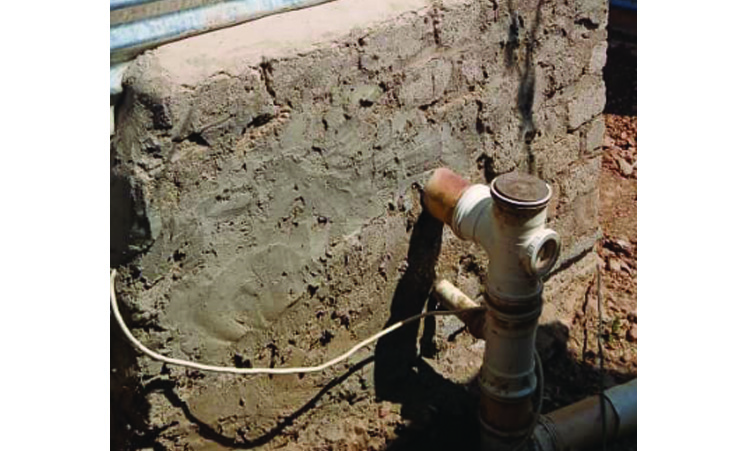
RESIDENTS of Windhoek’s informal settlements are resorting to illegal electricity and sewerage connections, raising safety and health concerns as the municipality warns against unapproved structures.
8ste Laan, Otjomuise resident Samuel Jonas says building their own toilet nearly a decade ago improved his family’s sense of safety and dignity.
“Before, we used the river bed when nature called. It was unsafe, mostly for my teenage daughters, because robbers hid there waiting to grab people’s phones.
“We had to use our cellphone torches at night since it was dark,” he says.
Jonas says his toilet and shower are still in good condition.
“Electricity and sanitation are basic needs. Instead of waiting for the municipality, I decided to build my own, like many others in the neighbourhood,” he says.
Jonas says many households rely on illegal electricity connections to meet their daily needs.
With schoolgoing children needing light to study, using candles poses the risk of shack fires, he says.
Selma Sheetekela says she has spent about N$4 000 on building a toilet for her family of four.
Although the municipality has provided the area with two toilets, they are too few for the number of residents, with some not functioning.
“Every time you go, it’s already occupied. The river beds are not safe, especially for women,” she says.
Illegal electricity connections are also common, especially at informal settlements such as Havana, Babylon and Okahandja Park.
Residents allegedly pay those with electricity meters weekly or monthly fees.
The City of Windhoek has warned residents against illegal sewerage and electricity connections.
Spokesperson Lydia Amutenya says residents of informal settlements are not permitted to build toilets that directly connect to the city’s sewerage system.
“Such connections are only possible in formal areas where sewer lines are already available near the relevant erf.”
Amutenya says residents should only build their own structures if the design and construction fully meet municipal engineering and health standards, and where construction is supervised by municipal officials.
The city has established these strict requirements to ensure both safety and sustainability, she says.
One of the main challenges, however, is non-adherence to standards, Amutenya says.
Without compliance, approval cannot be granted, as poorly constructed facilities can cause underground water contamination, unsafe structures, and complications during future upgrading or formalisation projects.
“The city, therefore, strongly discourages residents from building toilets illegally and without approval,” she says.
Amutenya says maintenance of communal toilets in informal settlements is conducted on an ongoing basis as the need arises.
Renovation and repair cycles depend on usage levels, vandalism, and budgetary allocations, but the city prioritises keeping facilities functional to safeguard public health and dignity.
Vandalism is, however, rife at informal settlements, Amutenya says.
Khomasdal constituency councillor Samuel Angolo says he is aware of illegal power connections in the constituency, yet most of Otjomuise’s 7de Laan and 8ste Laan areas has been legally electrified.
“Together with the City of Windhoek, we educate the communities during community engagements on the dangers of illegal electricity connections.
“When I am informed of the illegal connections, I report it to the relevant authorities,” he says.