



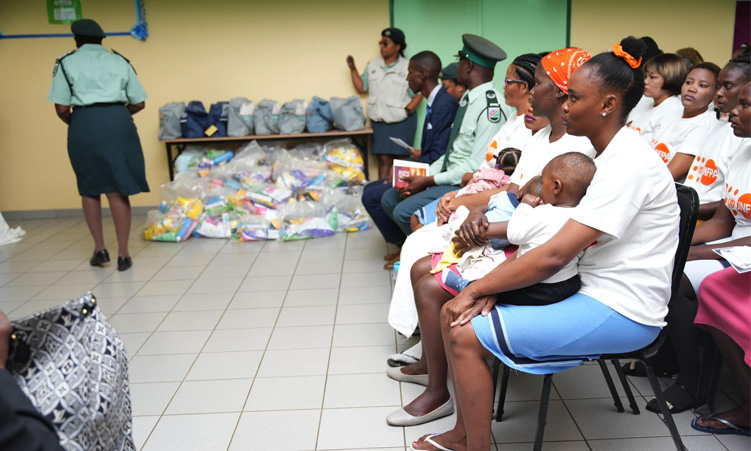
A total of 29 babies have lived behind bars with their mothers at the Windhoek Female Correctional Facility since 2019, sparking serious concerns from child welfare experts about long-term developmental risks.
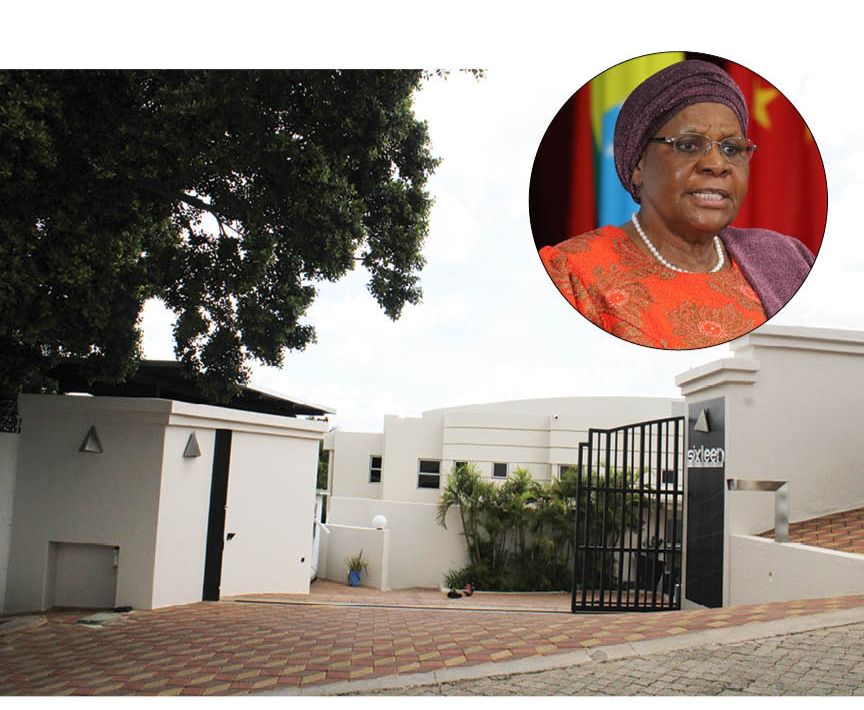
Ten of the babies raised at the facility between June 2019 and October 2025 were born there and 19 arrived with their mothers, according to the commissioner in charge, Julia Nauvinga.
Nauvinga says some inmate mothers were admitted to the facility while pregnant.
Currently, only four babies at the facility are with their mothers, while 13 have been handed over to caregivers.
“Thirteen mothers are still at the facility serving their sentences, and their babies were given to suitable caregivers,” she says.
The babies are only allowed to stay at the facility until the age of two.
They can be released earlier if their mothers decide to hand them over to caregivers, Nauvinga says.
Windhoek-based clinical psychologist Shaun Whittaker says if children are kept in confined settings they could face long-term emotional, developmental and social challenges.
He says caregivers play a critical role in supporting reintegration by establishing secure attachments and maintaining routines.
“The early separation from the mother can lead to attachment insecurities, which may have an impact on future relationships and their own ability to regulate their emotions. These children might struggle with anxiety, trust and fear of abandonment,” he says.
Private social worker Pauline Haimene says children born and raised in confinement may suffer poor nutrition and growth delays if the setting lacks a balanced diet.
“This leads to stunting, weakened immunity and obesity due to inactivity and developmental delays,” she says.
Haimene says these children may also be labelled, teased or excluded by their peers as they are associated with prison life. She says the children may also develop insecurities or disorganised attachment and may face difficulty forming relationships later in life.
“The risks include hypervigilance, anxiety and depression, emotional numbness, persistent fear or mistrust of authority and increased risk of post-traumatic stress disorder,” she says.
She says reintegration is a sensitive process and requires emotional safety, where mothers should be prepared before reuniting with their children.
Haimene says gradual contact should be facilitated if possible by starting with short, positive interactions like calls and short visits.
Lawyer Wesele Chikwililwa says keeping children in prison for up to two years does not automatically infringe on any children’s rights as Namibian law permits a tightly controlled best-interest exception for infants to stay with imprisoned mothers.
He says the practice is lawful only under strict safeguards and must end when the child reaches the age of two, according to the Correctional Service Act.
“The Child Care and Protection Act does not set an age limit, but lays down rules for children. A child present in a prison may stay with a parent, guardian or caregiver under prescribed conditions in circumstances where this would be in the best interests of the child,” he says.
Chikwililwa urges authorities to consider the vulnerability of children and reduce the risk of harm by involving designated social workers to determine next steps when a child is with a detained parent.
He says the act clearly states that correctional facilities are not places of safety for children, adding that the definition of “temporary safe care” excludes a prison or police cell.
In an age of information overload, Sunrise is The Namibian’s morning briefing, delivered at 6h00 from Monday to Friday. It offers a curated rundown of the most important stories from the past 24 hours – occasionally with a light, witty touch. It’s an essential way to stay informed. Subscribe and join our newsletter community.

The Namibian uses AI tools to assist with improved quality, accuracy and efficiency, while maintaining editorial oversight and journalistic integrity.
Stay informed with The Namibian – your source for credible journalism. Get in-depth reporting and opinions for
only N$85 a month. Invest in journalism, invest in democracy –
Subscribe Now!