Windhoek mayor reacts to minister’s calls for councillors to be ‘learned’
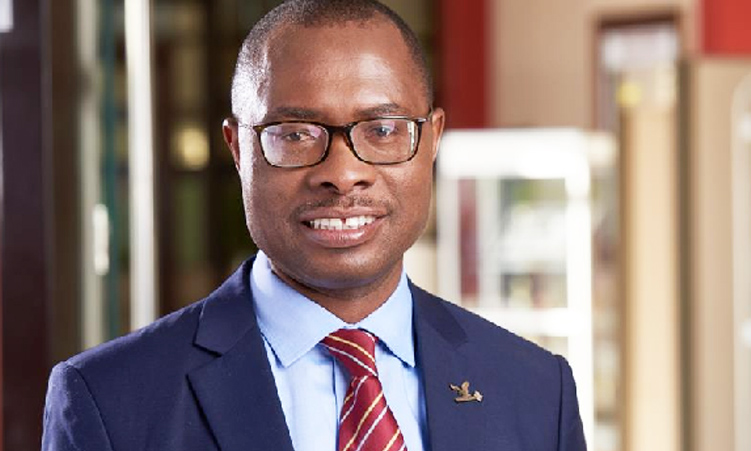
Newly elected Windhoek mayor and ex-foreman Sakarias Uunona has reacted to calls for academic degrees to be a prerequisite for city leadership positions, saying leadership only requires hard work and experience.
The Swapo councillor, who holds a higher education certificate as a foreman from Stadio Namibia, was elected in December last year.
His election comes at a time when minister of urban and rural development James Sankwasa and several political parties last week called for “mandatory minimum qualifications” for all local councillors.
Several politicians accused councillors of being unable to dissect technical documents due to a lack of proper tertiary education.
Sankwasa also recently argued that councillors need higher education to understand the technical documents used to run a city.
Speaking to The Namibian yesterday, Uunona said the current law does not require a mayor to have a degree or a PhD, and that his 20 years of leadership speaks for itself.
“In leadership it does not matter whether you have a PhD; what matters is the experience.
Land is part of property that also requires experience, and I have managed property projects and worked as a real estate agent for many years,” he said.
He said Sankwasa’s words were not directed at him.
“People will always have things to say, and there is nothing you can do or say about it.
In terms of what the minister said, I cannot comment on that because his remarks were not directed at me specifically.”
Regarding his vision for the City of Windhoek, he said he will make sure there is better service delivery.
“We have to make sure we work as a team for better service delivery,” he said.
Uunona says he has experience as a property manager at Design Struct CC, with over 20 years of expertise in project management, business operations and construction supervision, and that he holds a Namibian Estate Agents Board certificate, a higher certificate in management (project management) and multiple professional certifications in business management, AutoCAD design, and financial management.
He has held several leadership and advisory roles, including serving as chairperson of the Afrocat Youth Organisation, where he championed youth empowerment through sport development by establishing soccer and netball teams across five regions.
He also serves as an advisor to the National Catholic Youth League and is a member of the Windhoek East Constituency Development Committee.
Sankwasa made the remarks regarding qualifications last week at an induction workshop for regional and local councillors at Rundu.
“We need to seriously look at the issues of governance and capacity. Right now, there is more emphasis on politics than governance, and politics requires everybody – not governance,” he said.
The minister said his own party, Swapo, should do the same.
“Start looking at who qualifies to be a councillor, just like when looking at who qualifies to be regional officer and director. There is no discrimination in that.”
Sankwasa said political parties are currently reluctant to come up with minimum requirements in appointing a councillor or members of parliament due to the fear of losing them to other parties.
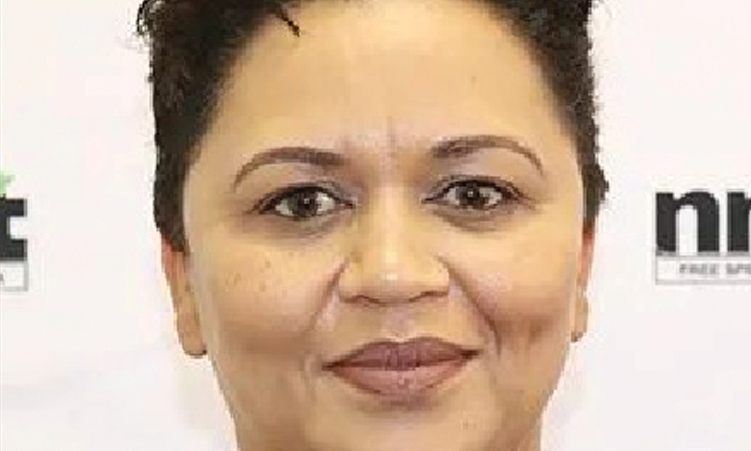
Rundu Rural constituency councillor Paulus Mbangu agrees with the minister, saying councillors should have qualifications to be able to effectively dissect the technicalities of council documents.
“If the councillors have no qualifications, they would struggle to understand council documents,” he says.
Association for Localised Interests president Joseph Kauandenge says some councillors having only a Grade 12 education could hinder them from effectively performing their duties.
“If the councillors are not educated, they would be left at the mercy of officials who would dictate to them, lie to them and force them to approve council items, because they cannot read for themselves,” he says.
Republican Party spokesperson Turimove Katjipo says every role requires relevant skills and knowledge, adding that when positions are filled without the necessary expertise, development is delayed or compromised.
“For towns to progress, there must be an intentional investment in skills, capacity building and accountability,” she says.
Katjipo says sustainable development is the result of informed leadership and competent implementation.
In an age of information overload, Sunrise is The Namibian’s morning briefing, delivered at 6h00 from Monday to Friday. It offers a curated rundown of the most important stories from the past 24 hours – occasionally with a light, witty touch. It’s an essential way to stay informed. Subscribe and join our newsletter community.

The Namibian uses AI tools to assist with improved quality, accuracy and efficiency, while maintaining editorial oversight and journalistic integrity.
Stay informed with The Namibian – your source for credible journalism. Get in-depth reporting and opinions for
only N$85 a month. Invest in journalism, invest in democracy –
Subscribe Now!