



The City of Windhoek says current water reserves are sufficient to sustain the city’s water needs for at least the next two rainy seasons.
This follows after over a year of the capital city facing a severe threat of water scarcity. Consumption rates soared by 10% instead of the targeted 10% reduction.
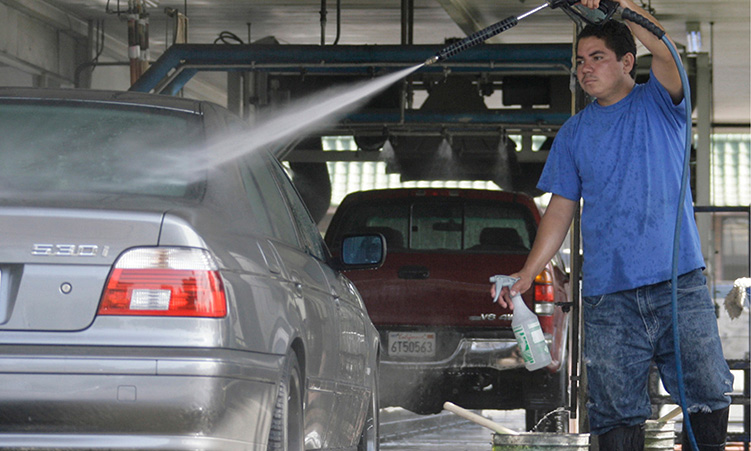
The city council subsequently enforced consumption restrictions on activities such as car washes, gardening, swimming pools and fountains, while also introducing increased tariffs.
After the 2024/2025 rainy season delivered above-average rainfall, resulting in improved water availability across the region, the city council has now resolved to lift the water restrictions previously imposed.
These restrictions were imposed under the city’s water management plan.
As a result, the municipality will revoke the current 15% water savings demand target (category D) and the associated tariffs, with water supply reverting to ‘normal supply – category A’ status in line with the water management plan and applicable tariffs, effective 11 August.
The city sources its water mostly from the Swakoppoort, Von Bach and Omatako dams, alongside the Windhoek Goreangab Operating Company, which plays a role in the city’s water recycling efforts.
“Recent assessments indicate that these sources have sufficient reserves to meet demand for at least the next two rainy seasons. Additionally, the inflows to the three-dam system have been adequate to support managed artificial aquifer recharge for the Windhoek Southern Aquifer,” Windhoek chief executive Moses Matyayi says.
By 6 May this year, the Swakoppoort Dam was at 99% capacity, Omatako Dam at 72.8% and Von Bach Dam at 81.3%, resulting in a combined capacity of 86.2%.
The city will also commence with the Managed Artificial Recharge of the Windhoek Southern Aquifer on 11 August, to further strengthen water security.
“No water restrictions will be imposed in the foreseeable future; however, the situation will be reviewed in May 2026 based on dam levels at that time,” Matyayi says.
He, however, urges residents to continue using water sparingly to ensure water sustainability.
In an age of information overload, Sunrise is The Namibian’s morning briefing, delivered at 6h00 from Monday to Friday. It offers a curated rundown of the most important stories from the past 24 hours – occasionally with a light, witty touch. It’s an essential way to stay informed. Subscribe and join our newsletter community.

The Namibian uses AI tools to assist with improved quality, accuracy and efficiency, while maintaining editorial oversight and journalistic integrity.
Stay informed with The Namibian – your source for credible journalism. Get in-depth reporting and opinions for
only N$85 a month. Invest in journalism, invest in democracy –
Subscribe Now!