


The establishment of a separate unit for senior government officials at Windhoek Central Hospital has drawn criticism from the opposition, with some saying it undermines equal public healthcare and borders on discrimination.
This follows president Netumbo Nandi-Ndaitwah’s directive for all government officials to use public hospitals from 1 April, a policy aimed at promoting equitable access to healthcare services for all.
However, a designated unit was set up for senior officials and unveiled in the same week the president’s directive came into effect, while ordinary citizens continue to endure long queues for treatment at state hospitals.
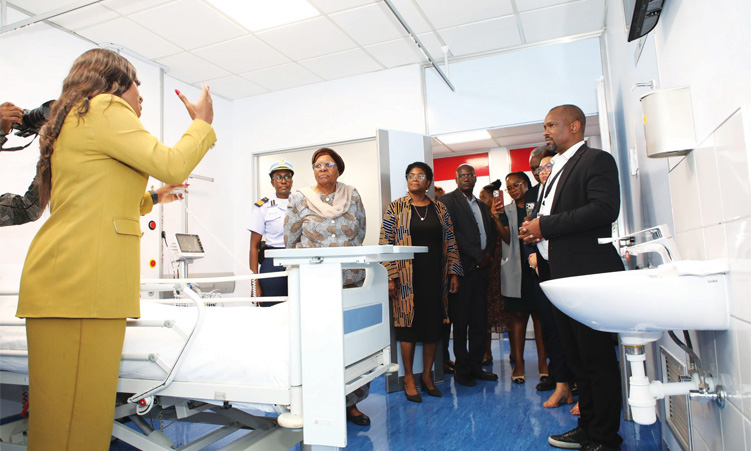
When The Namibian visited the new Windhoek Central Hospital unit on Wednesday, nurses were clear that the unit is reserved for senior government officials only.
This includes ministers, deputies and other members of parliament.
Minister of health and social services Esperance Luvindao during a familiarisation tour with prime minister Elijah Ngurare at the hospital two weeks ago said: “Yes, this is only for senior government officials, but if anybody with any other medical aid feels like this is a better option for them, you can come and make use of the facility.”
Deputy health minister Hambeleleni Ndjaleka says visiting a public hospital for treatment is nothing new for her, and is “now more exciting” because of the new initiative.
“I’ve always visited public hospitals for treatment – even before my new role – but I’ve never had very practical issues on that. I am not sick yet, nor do I require medical treatment, but when I do, I will surely visit the public hospital.
“Senior officials are not necessarily VIPs, and I need to make it clear that the hospital is not exclusive, but rather inclusive to all members of the public who can afford to be treated there,” she says.
However, health ministry spokesperson Walters Kamaya says only senior officials will be treated at the hospital during phase 1 of implementation, and not even their dependants may make use of the new wing.
He says other civil servants, such as teachers and nurses, will not have access to the unit.
“Phase I is only for VIPs. Are teachers and nurses VIPs? Not all public servants are included. This phase is only targeting 294 senior officials,” he says.
Kamaya says similar VIP units will be set up at Oshakati, Rundu, Walvis Bay, Keetmanshoop and Onandjokwe.
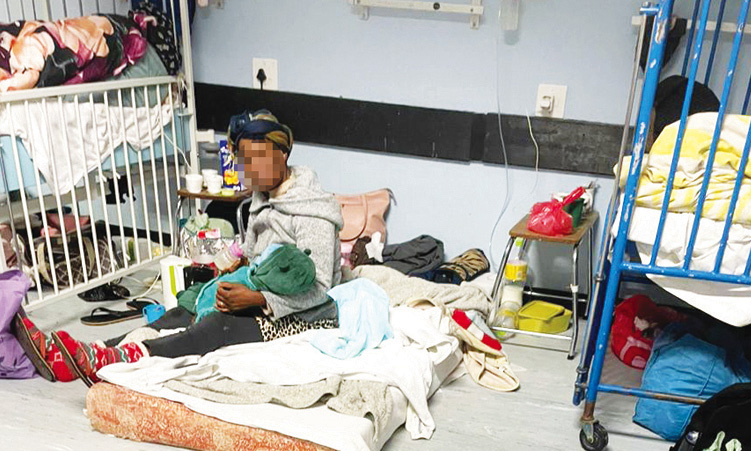
ages and inadequate services.
‘DISCRIMINATORY’
Popular Democratic Movement leader McHenry Venaani has asked why a separate treatment facility exists when the government wants to create a fairer health system.
He says the government must instead upgrade the whole of Windhoek Central Hospital for the good of all.
“Having a separate unit is a sign of perpetrating what apartheid did with the hospital when it was specifically for white people. If you want to have a uniform system, services must be equally accessed. Why separate?” he asks.
Independent Patriots for Change leader Panduleni Itula says the law clearly demands equality and non-discrimination of social services, irrespective of social status.
He says the decision to separate senior officials from the public violates the law.
“Her conduct, unsurprisingly, is unconstitutional, despite her oath of office. Universal healthcare requires access to health by all citizens, regardless of their status.
“Access for elites to specially designed and refurbished units within the public health sector constitutes a gross violation of the Namibian Constitution and is an institution of apartheid within our constitutional democracy,” he says. “The president, in so decreasing, has violated Article 30 of the Namibian Constitution.”
Itula says forcing public officials to attend specific, “albeit technically advanced” units, violates the right to freedom of association, employment principles, and the Labour Act.
“Preposterous conduct of ministers of this nature reflects the failure of governance of the head of state,” he says.
Affirmative Repositioning member of parliament Tuhafeni Kalola yesterday said the move is “mere politics”, as nothing impactful has been done to improve equitable healthcare, especially for the public.
He said the situation simply involves the migration of elites from private hospitals of poor quality to public healthcare of better quality.
“It is indeed true that hospitals have two sides now: the five-star ward for politicians with the best medical aid, and another for ordinary citizens with the usual old service. This would not benefit poor people. Nothing has changed.
“It’s mere politics and playing with poor people’s souls. It’s pure discrimination,” Kalola said.
Political analyst Rui Tyitende says if the government is serious about healthcare reform, all residents of Namibia would be able to have access to the same healthcare facilities.
He says an exclusive unit indicates that ordinary citizens are not deserving of quality healthcare, but the people they voted into power are.
“If there is an exclusive unit for these officials, then this entire exercise is a publicity stunt that will have no real impact on the most vulnerable in society. This smokescreen suggests that ordinary citizens do not matter, and will not have access to quality healthcare at a public hospital,” Tyitende says.
“They are second-class citizens on the basis of their socio-economic status. This is nothing but an apartheid healthcare system.”
Analyst Ndumba Kamwanyah says the situation raises serious concerns about fairness as it creates the impression that “some are more equal than others”.
“The speed at which these units have been and are being upgraded also raises questions about priorities. Many ordinary citizens have reportedly gone without basic services like hot water for years, yet improvements appear to be happening quickly when they benefit elites,” he says.
“It risks undermining public trust,” he says.
Kamwanyah suggests that government officials use the same facilities and conditions as everyone else for the policy to be seen as fair.
“Otherwise, it may reinforce perceptions of a class-based apartheid rather than genuine reform.”
Phase II starts in 2027.
– Additional reporting by Puyeipawa Nakashole
In an age of information overload, Sunrise is The Namibian’s morning briefing, delivered at 6h00 from Monday to Friday. It offers a curated rundown of the most important stories from the past 24 hours – occasionally with a light, witty touch. It’s an essential way to stay informed. Subscribe and join our newsletter community.

The Namibian uses AI tools to assist with improved quality, accuracy and efficiency, while maintaining editorial oversight and journalistic integrity.
Stay informed with The Namibian – your source for credible journalism. Get in-depth reporting and opinions for
only N$85 a month. Invest in journalism, invest in democracy –
Subscribe Now!