Namibia offers endless opportunities for off-road enthusiasts, but for the inexperienced, an adventure can quickly turn into a nightmare.
Factors such as tyre pressure, overloading, unbalanced loading and lack of knowledge when engaging 4×4 mode, or misjudging your vehicle’s capabilities all play a role.
While modern vehicles are equipped with driver-assistance features to make off-road driving easier, risks such as incorrect tyre pressure remain.
Leon Smith from the Klein Aub 4×4 Rush facility outside Windhoek highlights the most commonly overlooked factors.
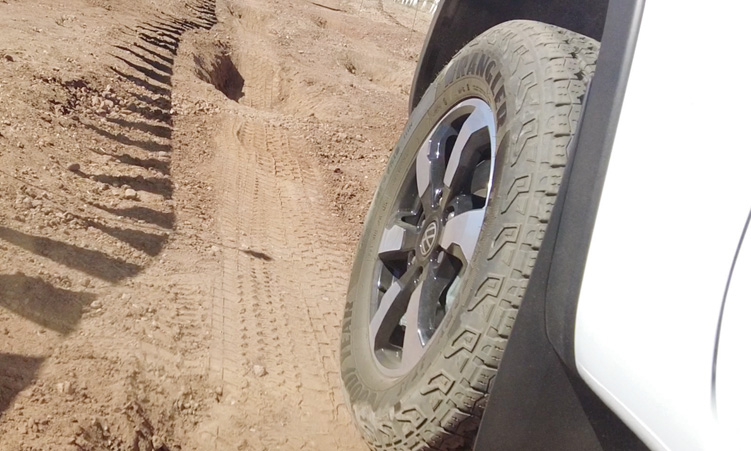
He says every surface has different dynamics. Gravel roads require different tyre pressures than tarred roads, while rocky terrain, mountainous areas and dunes each demand specific adjustments.
This is where many drivers run into trouble, getting stuck, damaging tyres or losing traction with overinflated tyres.
“After driving off-road, always inspect your tyres for damage before returning to tarred roads, as sticks and stones may have damaged the sidewalls,” Smith advises.
Failing to check for small cuts or punctures before resuming higher speeds increases the risk of tyre failure.
Overinflated tyres are more prone to cuts and punctures, while properly deflated tyres mould around surfaces, improving durability and traction.
Even dune or river driving requires lower pressures. Deflated tyres create a larger surface area, offering better grip and making the ride more comfortable.
Smith recommends keeping a reliable tyre compressor, repair kit and pressure gauge in the vehicle for frequent off-road use.
When travelling long distances, roof racks often provide extra packing space.
However, Smith warns against overloading or stacking items too high, as this alters the vehicle’s handling, increases fuel consumption, and raises the risk of rollovers on uneven terrain.
Another major hazard is incorrect vehicle recovery.
“It sends shivers down my spine when I see 4×4 owners try to recover another vehicle by tying a rope over the tow ball,” Smith says.
Although it may seem the easiest option, tow balls are designed for trailers or caravans – not for recovering stuck vehicles. If one snaps under strain, it can become a deadly projectile.
Instead, Smith urges drivers to use manufacturer-fitted recovery points. When using a snatch strap or kinetic rope, he advises placing a damper bag or cloth on the strap to reduce the risk of injury if it breaks.
Bystanders should also keep a safe distance during recoveries.
“The best advice for any off-roader is to invest in an approved recovery kit from a reputable supplier. These kits are tested for safety and provide peace of mind when recovering a vehicle,” he says.
For those exploring Namibia’s diverse landscapes, Smith’s message is clear: Tyre pressure management and proper recovery techniques are not optional – they are essential for safe and enjoyable off-roading.