




The Ohangwena Regional Council yesterday convened to investigate why members of the public who attended founding president Sam Nujoma’s memorial service were not served meat on Friday – despite seven head of cattle being slaughtered.
Each region hosting the memorial service has been allocated a budget of N$500 000, includes catering.
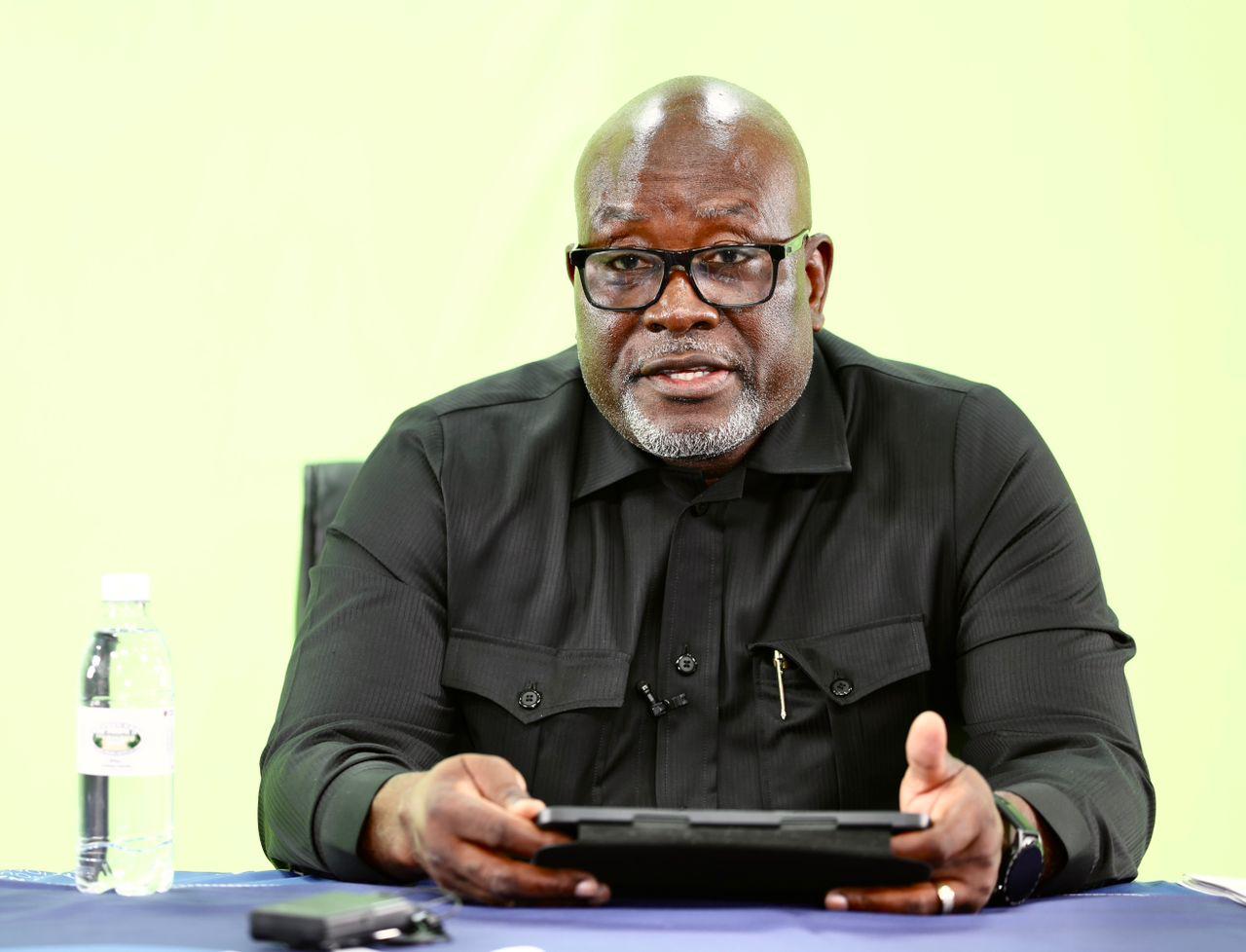
Ohangwena region governor Sebastian Ndeitunga yesterday told The Namibian the council met to investigate what happened following complaints regarding the catering services at the Eenhana event.
Ndeitunga said the regional council and his office detected irregularities with the catering and distribution of food to mourners.
He said the quantity of meat from the slaughtered cattle was insufficient, as over 30 000 mourners attended the event – almost double the expected 16 000. In addition, Ndeitunga sad the meat had to cater to “the people that came from the surrounding areas, including the security cluster”.
Despite these logistical challenges, Ndeitunga said the council cannot rule out irregularities such as the misappropriation of food. “I understand some caterers were giving food to their friends at the catering venue already,” Ndeitunga said.
He noted that there was no transparency, saying has observed a lack of control regarding catering services.
“This is a learning curve and we can all just learn from it and do better. I would like to urge all caterers given jobs to be more accountable – in fact everyone has to be more accountable. The supervision and control was sluggish,” said Ndeitunga.
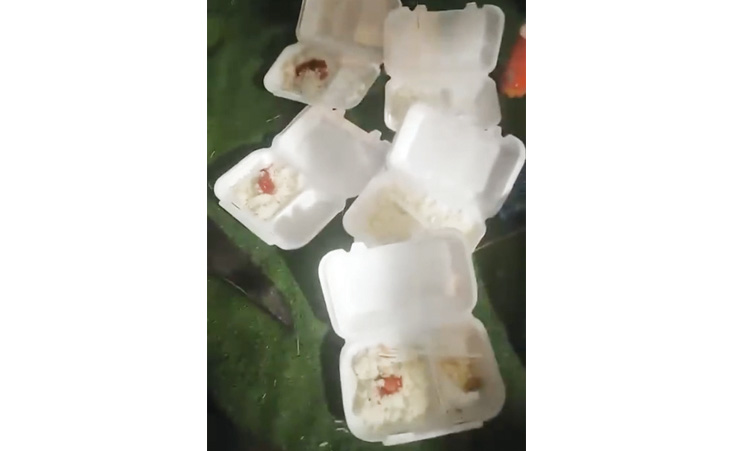
Members of the public who attended Nujoma’s memorial service at the Eenhana Sport Field expressed disappointment over the distribution of food. Lunch packs, which were to be served to attendees, were discarded across the sports field as people refused to eat the contents – a portion of rice and carrots.
“Can you imagine that despite [the fact] that the regional council had slaughtered about [seven] cattle for the event, they distributed lunch packs that had no meat? What happened to the meat? These people are not serious,” said community member George Haimbodi.
“People refused to eat that food. They went to mourn their president, were instructed to be at the venue from as early as 08h00, and sat waiting until the service was over around 22h00 just to receive food that lacked quality. We need to do better as a nation. We can’t want to make money at the expense of others,” complained another community member, Loide Petrus.
‘CATERING TENDER IRREGULARITIES’
Meanwhile, a group of caterers have voiced their frustration over the tendering process for state events. Their primary concern is that, despite meeting all tender requirements, the same individuals and companies consistently receive awards, creating an uneven playing field. This practice, they say, limits opportunities for other caterers, effectively robbing them of the chance to work and earn a living.
Events such as the annual Independence Day celebrations on 21 March, the Heroes Day commemoration on 26 August, and state memorial services are among the significant occasions that require catering services.
Speaking to The Namibian yesterday, chairperson of the Ohangwena regional council, Erickson Ndawanifwa, expressed dissatisfaction with how the event’s catering was handled. “I am really not satisfied with either the quality or quantity of the food that was supposed to be distributed to the mourners who came to pay their respect to their beloved president. As we speak, we are engaged in a series of meetings to discuss what actually happened,” said Ndawanifwa.
The caterers in the bidding process have called for a more transparent and equitable selection process to ensure fair competition and opportunities for all. According to them, selections were made based on personal connections.
Speaking to The Namibian, one caterer who requested to remain anonymous expressed deep frustration after more than fifteen years in the industry.
“When we tender, we meet all requirements, yet the same company is awarded the contract again and again. That is not fair; we all deserve opportunities. This culture of corruption, favoritism and nepotism must end,” he complained.
Another caterer from one of the northern regions shared similar sentiments. “It is not fair to complete all requirements only to find the same company selected each time. Are they the only ones who know how to cook and cater for state events? Many of us have undergone training and are qualified chefs. Why can’t they change the process and the committee responsible for selecting caterers?” questioned Esther David from the Omusati region.
Wilhelmin Festus, another caterer, suggested rotating tenders between companies, or splitting the deliverables for large events across multiple caterers to ensure the delivery of quality food.
“The workload is excessive; that’s why you often find the [food] packs are insufficient or the food portions are small. Additionally, why should one company be awarded a tender to cater for the entire week? Why can’t that week be shared among other caterers? This needs to be addressed because we all want to work and be given the same opportunities,” Festus said.
The catering tender is submitted and awarded through the Office of the Prime Minister, where a committee responsible for the selection process is based.
When contacted for comment, the executive director at the Office of Prime Minister, I-Ben Nashandi, denied this and referred queries to the Office of the President.
However, public relations officer at the Office of the President Dennis Shikwambi reiterated that catering for national events falls within the Office of the Prime Minister’s scope.
“Our office is far from the catering tender procedures; I would not know the specifics, and it is therefore difficult for me to respond to your queries,” said Shikwambi when approached for comment.
Affirmative Repositioning spokesperson George Kambala told The Namibian yesterday that the obligation lies with the regional offices to ensure that catering companies operate within their budgets.
“Catering companies also need to make money although it’s a sombre time. However, all parties ought to have agreed on the terms and conditions. I would like to believe that there are processes to follow for one to lodge their grievances,” he said.
In an age of information overload, Sunrise is The Namibian’s morning briefing, delivered at 6h00 from Monday to Friday. It offers a curated rundown of the most important stories from the past 24 hours – occasionally with a light, witty touch. It’s an essential way to stay informed. Subscribe and join our newsletter community.

The Namibian uses AI tools to assist with improved quality, accuracy and efficiency, while maintaining editorial oversight and journalistic integrity.
Stay informed with The Namibian – your source for credible journalism. Get in-depth reporting and opinions for
only N$85 a month. Invest in journalism, invest in democracy –
Subscribe Now!