



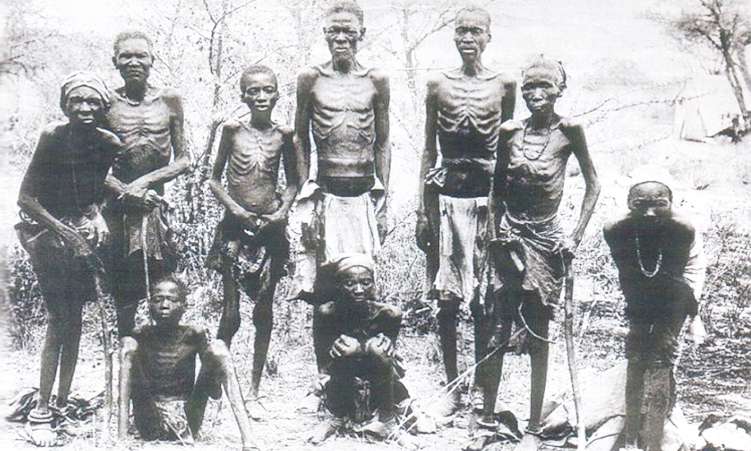
Namibia marked its first official Genocide Remembrance Day on 28 May, a milestone date set aside to honour the memory of the Ovaherero and Nama victims of the 1904-1908 genocide perpetrated by German colonial troops.
The day, marking the 1908 closure of concentration camps operated by Germans, was enshrined in law as a public holiday in 2024.
Youth Central spoke to young Namibians about what Genocide Remembrance Day means to them, and why it is important that young people remember the past and learn from it.

Auliki Ambambi (26):
“Genocide Remembrance Day means honouring the lives lost and recognising the pain carried by generations. It reminds me of the strength of the Ovaherero and Nama people. For us young people, it’s vital to learn about past genocides to understand the truth, prevent history from repeating itself, and build a more just and compassionate future rooted in respect and accountability.”

Chipee Kamurongo (30):
“Genocide Remembrance Day means the whole world to me. My father still brings it up – it truly affected their lives, their childhoods, and our community. I believe why so many of us are poor is because of the pain and loss that our people experienced then. The Germans took so much, and maybe we’d be in a different world today if they hadn’t done that.”

Tjizakuye Tjirunga (37):
“To me, Genocide Remembrance is about remembering and honouring the brutally silenced and keeping their stories alive so that they will never be forgotten. It’s not about mourning – it’s about learning. It’s about acknowledging pain, resisting prejudice, and opposing hate in all its forms. For young people, remembering helps them learn to recognise early warning signs of dehumanisation and violence. It empowers them to become guardians of truth and champions of a peaceful, humane world.”

Uerivaka Consuelo Kutako (28):
“It’s a serious reminder of the Ovaherero and Nama nation’s suffering and strength. They are incredibly strong people, and this day commemorates them and acknowledges past injustices. Young people must remember previous genocides. It makes us remember the consequences of hatred and colonialism, enables us to respect human rights, and ensures it does not happen again. Learning this history empowers our compassion and our shared obligation to struggle for justice.”
In an age of information overload, Sunrise is The Namibian’s morning briefing, delivered at 6h00 from Monday to Friday. It offers a curated rundown of the most important stories from the past 24 hours – occasionally with a light, witty touch. It’s an essential way to stay informed. Subscribe and join our newsletter community.

The Namibian uses AI tools to assist with improved quality, accuracy and efficiency, while maintaining editorial oversight and journalistic integrity.
Stay informed with The Namibian – your source for credible journalism. Get in-depth reporting and opinions for
only N$85 a month. Invest in journalism, invest in democracy –
Subscribe Now!