


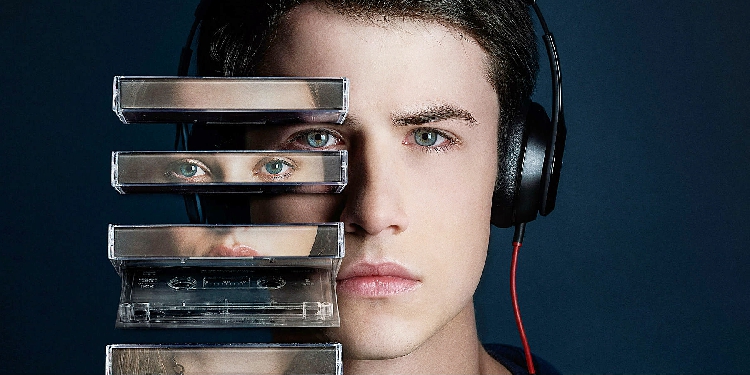
’13 Reasons Why’ (2017) is the kind of show that makes you wonder if you’re better or worse off for watching it. Zooming in on the brief, angst-ridden life of 17-year-old Hannah Baker, Netflix’s latest hit has been met with much controversy regarding its depiction of teen suicide.
With schools in the US and Canada issuing cautionary correspondence to parents or outright banning viewing of the show on school premises, it’s clear the series has found some resonance with teens in its story of a teenage girl who struggles with the ripple effects of rumour.
Making a firm case against bullying while twisting graphically through instances of stalking, sexual assault and tragedy, the show begins with the grim consequences: Hannah Baker dead and telling us all why from beyond the grave.
Progressing through 13 episodes expounding on the 13 reasons why Hannah killed herself as revealed from a series of recordings she leaves behind on a collection of old school cassettes, the show, based on Jay Asher’s young adult novel of the same name (2007), layers high school horror over high school horror in a frank depiction of everyday ugliness.
The problem?
A somewhat glamourised depiction of teen suicide.
As each of the reasons is in fact linked to a particular person who targeted, betrayed or failed Hannah in some way, the show plays as a 13-episode guilt trip with most of the characters losing sleep, feeling immense feelings of guilt or getting some kind of comeuppance.
While on the one hand Hannah’s pointed finger helps to highlight familiar instances that prove to have more grave instances than one may realise, on the other, Hannah’s posthumous presentation does smack a little of revenge.
Though the series has been celebrated for its unflinching and well-meaning depictions of rape, slut-shaming and suicide, some psychologists argue that the series neglects the link between suicide and mental illness, glorifies the trauma and the resulting act and may very well trigger attempts and completion.
Certainly a series that should be watched with caution by both adults and teens alike, clinical psychologist Dr Janina Scarlett writing about the show for Psychology Today believes there are some things the series does well.
“I think that the show allows the viewer to observe situations which are likely to cause teens and young adults to consider suicide, such as sexual assault, rumours, exclusion, etc. (in short, everything Hannah Baker experiences),” she writes.
“In my practice, this series has allowed for conversations with my teen clients about these difficult topics. My colleagues too are reporting that teens have been willing and eager to discuss this show with them because they state that it is’real’ and reminds them of what they have experienced.”
Responding to backlash aimed at the show for its treatment of such sensitive subject matter, executive producer Selena Gomez talking to E! News says “I just wanted it to come across in a way that kids would be frightened, but confused — in a way that they would talk about it because it’s something that’s happening all the time,” and Netflix who placed explicit warnings on the three most graphic episodes adds “entertainment has always been the ultimate connector… and we hope that ’13 Reasons Why’ can serve as a catalyst for conversation”.
Harrowing and difficult to watch but perhaps relevant to Namibians who live in a country that recorded 368 suicides between January and October of last year, ’13 Reasons Why’ is a cautionary and sobering tale offering some much needed wisdom in the context of the young and impressionable.
Presenting 13-episodes prompting us to look a little more closely at how we treat our peers, our friends and our colleagues while encouraging us to reach out to people even if they look like they’re doing OK but especially if it’s clear that they aren’t, ’13 Reasons Why’ is Netflix at its bravest and most alarming.
In an age of information overload, Sunrise is The Namibian’s morning briefing, delivered at 6h00 from Monday to Friday. It offers a curated rundown of the most important stories from the past 24 hours – occasionally with a light, witty touch. It’s an essential way to stay informed. Subscribe and join our newsletter community.

The Namibian uses AI tools to assist with improved quality, accuracy and efficiency, while maintaining editorial oversight and journalistic integrity.
Stay informed with The Namibian – your source for credible journalism. Get in-depth reporting and opinions for
only N$85 a month. Invest in journalism, invest in democracy –
Subscribe Now!