


The United States (US) has sent US$7.5 million (about N$129 million) to the government of Equatorial Guinea, one of the world’s most repressive and corrupt regimes, to accept non-citizen deportees from the US to the West African nation.
This is according to a leading congressional democrat, current and former state department officials and public government data.
The money sent to Equatorial Guinea is the first taken from a fund apportioned by congress to address international refugee crises – and sometimes to facilitate the resettlement of refugees in the US – that has instead been repurposed under the Trump administration to hasten their deportation.
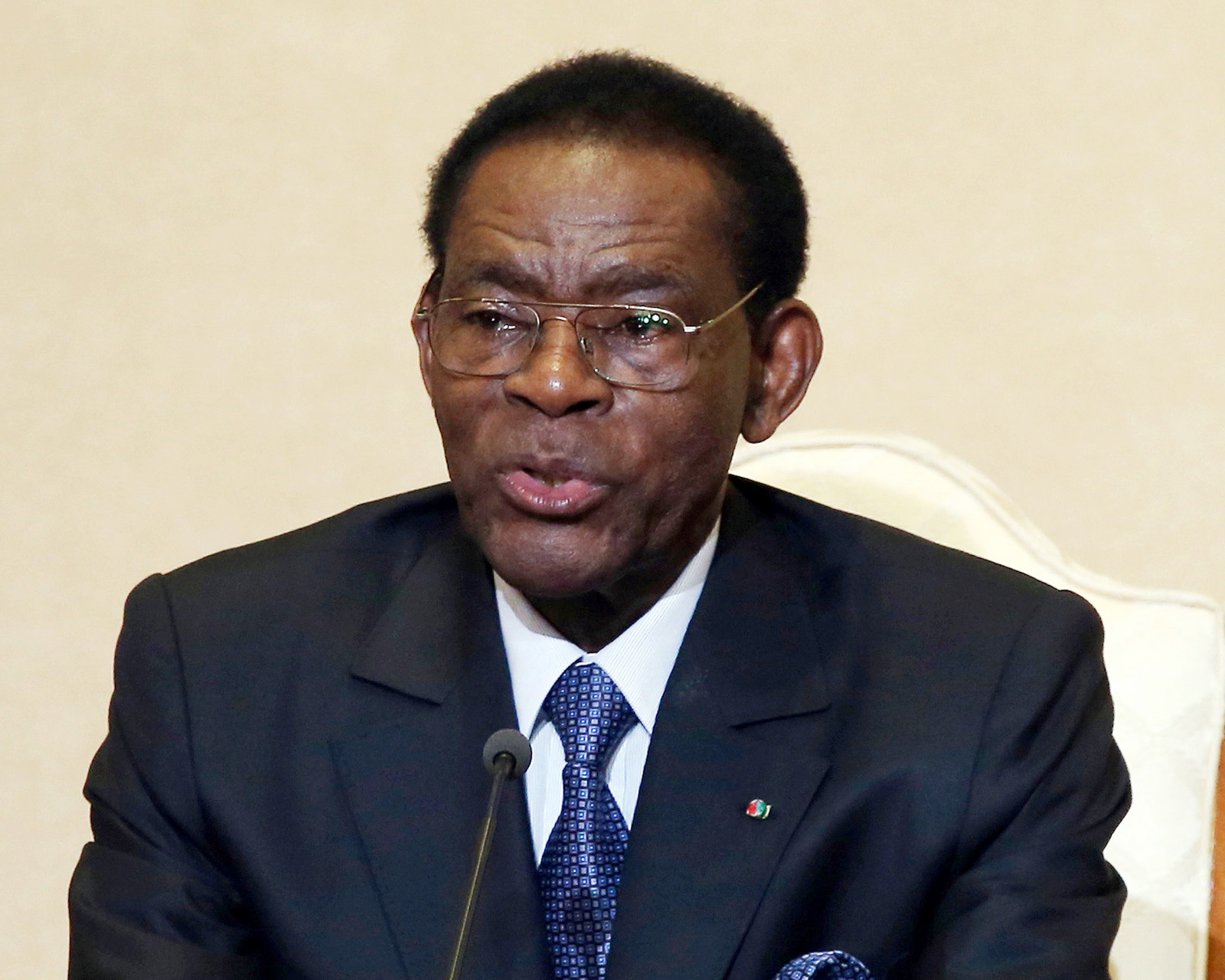
According to government data, the sum from the Migration and Refugee Assistance (MRA) emergency fund was sent directly to the government of Equatorial Guinea, whose president, Teodoro Mbasogo, has been in power for the last 46 years.
Mbasogo and his son, vice president Nguema Obiang, have been accused of embezzling millions of dollars from the impoverished nation to fuel their lavish lifestyles.
In a letter sent to secretary of state Marco Rubio, Jeanne Shaheen, the top-ranking democratic senator on the senate foreign relations committee, calls the payment “highly unusual” and notes the country’s “history of corruption” and government officials’ “complicity in human trafficking” that raised “serious concerns over the responsible, transparent use of American taxpayer dollars”.
She also asks what protections, if any, would ensure that the deportees would not be “vulnerable to human trafficking, human smuggling or human rights abuses”.
A copy of the letter was obtained by the Guardian. The letter was first reported by the Associated Press.
The deal fits the administration’s contentious third-country deportation push, which has alarmed human rights monitors. United Nations (UN) experts warned in July the policy could see people removed to foreign countries within a single day, without adequate legal safeguards or chance to raise torture or persecution concerns.
Washington has approached at least 58 governments about accepting deportees, often securing agreements through cash payments or diplomatic pressure including travel ban threats.
Nearly all the countries involved – including Eswatini, South Sudan and El Salvador – feature in state department reports for serious human rights abuses.
“Implementing the Trump administration’s immigration policies is a top priority for the department of state,” says a state department spokesperson in response to an inquiry from The Guardian.
“As secretary Rubio has said, we remain unwavering in our commitment to end illegal and mass immigration and bolster America’s border security.
“We have no comment on the details of our diplomatic communications with other governments,” the response notes.
US deputy secretary of state Christopher Landau met in September with Obiang, who was convicted by a Parisian court in 2017 of embezzling tens of millions of euros and laundering the proceeds in France.
The US department of justice in 2012 determined he had spent US$315 million around the world on properties, supercars and other luxury goods.
The US ultimately seized more than US$27 million (about N$466 million) from the official, including properties, luxury cars and a white jewel-encrusted glove worn by Michael Jackson during his Bad tour.
During the meeting on the sidelines of the UN General Assembly, Landau and Obiang “reaffirmed joint commitments to deepen commercial and economic ties, combat illegal immigration, and advance security cooperation”, the state department says.
Obiang in late October confirmed he would cooperate with the Trump administration on the “orderly reception of undocumented immigrants, under strict joint protocols designed to guarantee a safe and coordinated process”.
Observers note that the deal was conducted in relative secrecy for an administration that has been proud of its efforts to hammer out agreements for the deportation of third-country nationals who could not be sent back to their home countries.
“Knowing that this was a direct transfer of money to a government that is highly corrupt … was a red flag,” says a congressional aide, who called the deal a “notable, egregious agreement”.
Funds for MRA are traditionally used for “responding to refugee and humanitarian crises overseas”, says the aide, such as those in Gaza or Sudan, rather than the removal of non-citizens from the US.
There are “plenty of places where these funds should be used to support refugees overseas in the midst of conflict or humanitarian crises. There’s certainly need. So again, why are we sending this to Equatorial Guinea?”
Another congressional democratic aide says it’s possible the state department only shared the agreement with republican lawmakers, who have been “grossly partisan recently – even more than usual”.
The office of James Risch, a republican senator who chairs the foreign relations committee, did not immediately return a request for comment on how long the agreement has been on the table. – The Guardian
In an age of information overload, Sunrise is The Namibian’s morning briefing, delivered at 6h00 from Monday to Friday. It offers a curated rundown of the most important stories from the past 24 hours – occasionally with a light, witty touch. It’s an essential way to stay informed. Subscribe and join our newsletter community.

The Namibian uses AI tools to assist with improved quality, accuracy and efficiency, while maintaining editorial oversight and journalistic integrity.
Stay informed with The Namibian – your source for credible journalism. Get in-depth reporting and opinions for
only N$85 a month. Invest in journalism, invest in democracy –
Subscribe Now!