



MARTIN MENDELSOHNTHE world is over 50% urban, Namibia is just under. But we are fast approaching this mark. All conventional wisdom shows that urbanisation is highly correlated with many development indicators, such as education, wealth and health.
However, there is a fear that a flood of urban migration will result in huge stress on infrastructure and services. Dread and the need to keep rural people out, lead to stigmatisation, which is detrimental to us as a nation. But, do we really understand what supporting urban migration may or may not mean for Namibia? Let’s consider the repercussions of merely allowing, discouraging or facilitating urban migration.
The first scenario: continuing along the current path: Given present trends, the urban influx will not stop. Soon, the number of informal urban houses will equal the formal houses and then outnumber them. Thus, most Namibians living in urban areas will soon be living on land they do not own, with no or minimal services. There are several good reasons why allowing migration to continue in this manner would be a terrible thing.
The cost of providing minimal services will continue to increase without a reciprocal inflow into local authority revenues. Thus, less money will be available for all urban priorities.
More importantly though, are the immediate concerns for those living without access to land. Generally discussed in terms of poverty, health, and education, it would be better if we thought of human lives. The lifespan of someone living informally is shorter than that of someone living formally.
This is because there is no access to clean running water, a toilet, shower, adequate protection from the elements, and security, all of which affects the span of a life. In this environment, the spread of disease is hastened, and lifespans are shortened.
By denying people opportunities to create decent housing for themselves through denying them access to land, we choose to shorten their lives, we implicitly ‘allow’ them to die. Continuing this status quo is unacceptable.
The second scenario: What if we discouraged urban migration by strengthening rural development instead? Much Namibian development policy is already focused on rural areas and this is not inherently bad. But our rural areas are dry, soils unproductive, and distances to markets far. Across our continent people living rurally are worse off than urban dwellers, and Namibia’s rural areas are at a comparative disadvantage to most of the continent. Can we realistically expect that rural Namibians would have a good quality of life?
Rural development is also more costly than urban. Supplies need to be transported and people travel further to access goods or services, so time and cost are increased. Qualified, motivated staff who want to live and work outside of urban areas are also harder to find.
Continuing a focus on rural development is not cost effective. It keeps many Namibians poor, contributes little economically, and people’s lives are much harder than they could be otherwise. We should not ignore rural development, but our prime focus should fall where the benefits of our interventions will be greatest, in urban areas.
The third scenario: What would happen if we resolved to embark upon a policy of urbanisation – to provide all current migrants living informally as well as all new urban migrants with a piece of land? Financially, this is feasible. Most undeveloped urban land owned by local authorities is free and currently without value. To provide a minimally serviced erf costs about N$50 000.
Given that our defence budget was around N$6 billion this year, spending half of this would provide 60 000 plots serviced with water, electricity and sewerage. As a result, an extra 60 000 families would have access to water, electricity and sewerage. Or, 204 000 Namibians would have lives significantly better than they have today. At this rate every (current) urban Namibian house now without legal access to land and opportunity could gain a piece of land in just three years.
But would the free provision of plots not incite a flood of urban migration? This may happen, but it is not known for certain. People will only move with the hope of improving their lives. By saying that land should not be provided to stop the influx of people, we are admittedly actively trying to keep people poor – if it wasn’t better they wouldn’t want to come. This sounds like apartheid.
City dwellers’ fear of being swamped by rural Namibians causes them to forget that urban population growth, coupled with provision of land, would be good economically, socially, and environmentally. Economically, things happen in cities. There are many opportunities to start businesses and to build wealth – almost all innovation occurs in urban areas. New tenured land will decrease property and rent prices and create wealth overall – a rent bill will do the same but destroy wealth.
People who previously had nothing would have an important capital asset. As they improve their land, its value will increase further. At present the land that they live on (and do not own) has negligible value.
It cannot be sold or used as collateral.
Most importantly, there is very little reason to spend money to improve land that one does not own! Not only does building a brick structure and investing in long-term improvements add financial value, it improves quality of life and lifespan. The beneficial effects of urban living are further enhanced through increased access to social services at a reduced cost per person. Such services are also within easy reach and can accommodate many more people.
The economy is also strengthened more when a dollar is spent in an urban area, where it jumps quickly from hand to hand. This benefits each person along the way, creating more jobs.
The result is increased taxes, which lead to the provision of better services to people and more economic growth. In every way, urban life allows incremental gains.
Last, but not least, there are environmental benefits. Having people move to urban areas frees up productive land, allowing it to be farmed more efficiently or used for conservation or tourism (which is increasingly valuable).
The provision of urban land is quite possibly the most cost effective, dignified, easiest, and best long-term solution to economic, social, and environmental development we have in Namibia. This should be our priority.
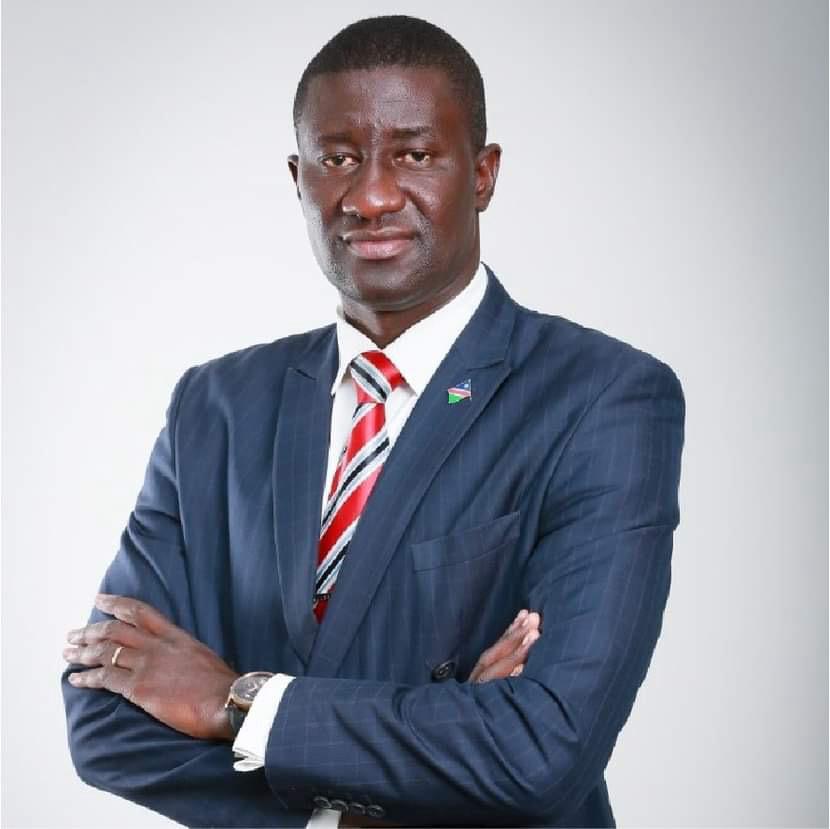
Martin Mendelsohn is a researcher at RAISON where his primary focus is on urban issues. He is passionate about improving Namibia’s urban areas and access to opportunities in them.
In an age of information overload, Sunrise is The Namibian’s morning briefing, delivered at 6h00 from Monday to Friday. It offers a curated rundown of the most important stories from the past 24 hours – occasionally with a light, witty touch. It’s an essential way to stay informed. Subscribe and join our newsletter community.

The Namibian uses AI tools to assist with improved quality, accuracy and efficiency, while maintaining editorial oversight and journalistic integrity.
Stay informed with The Namibian – your source for credible journalism. Get in-depth reporting and opinions for
only N$85 a month. Invest in journalism, invest in democracy –
Subscribe Now!