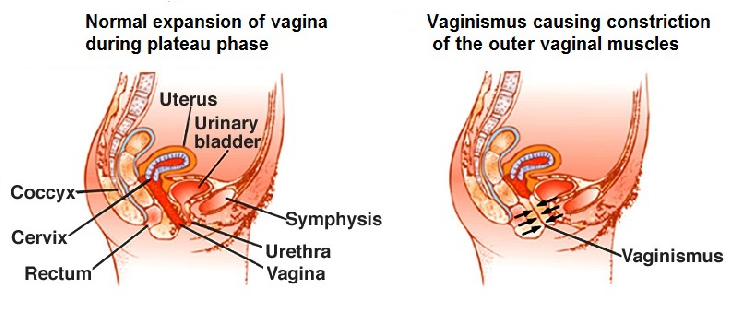
WHILE some women want to tighten their vaginas, others with very tight vaginas are distressed by their condition because of the pain during sex. The condition is called vaginismus, which is a fairly rare condition.
General medical practitioner at the Ongwediva Medipark Dr Anthony Musonda says vaginismus is an involuntary vaginal muscle spasm, which makes any kind of vaginal penetration painful or impossible.
“This is just one of the sexual dysfunctions common in women. Others are no sexual desire, inability to be aroused, lack of orgasm and dyspareunia,” Musonda says.
Although the vaginal walls are stretchy enough to allow a full-sized baby to pass through the vaginal cavity, with vaginismus, the vagina becomes too small for sex if the muscles of the entrance go into spasm when a penis or tampon is inserted.
He says women with vaginismus may be able to engage in a variety of other sexual activities, as long as penetration is avoided. A woman who wants to have intercourse and finds that because of her condition intercourse is impossible, is likely to experience a wide range of emotions – surprise, grief, embarrassment or depression.
Musonda says there are several causes of vaginismus, with some being physical and most psychological.
“Focal vaginitis (inflammation), urinary tract infection, vaginal yeast infections, sexual abuse, rape, other sexual assault, physical abuse, domestic violence, fear of pain associated with penetration, anxiety, stress, negative attitude towards sexual stimulation, fear of losing control, not trusting one’s partner and undiscovered sexuality (e.g. asexual or lesbian)” are some of the potential causes of the condition he lists.
There are many reasons why the vaginal muscles tighten against a woman’s will, and Musonda explains that a woman with vaginismus may be unaware of her condition until she attempts vaginal penetration. The rate of affliction with the condition ranges from 5% to 47% worldwide.
“It is commonly discovered in teenage girls and women in their early twenties, as this is when many girls and young women first attempt to use tampons or have penetrative sex. Not many studies on vaginismus have been done as most women with vaginismus remain reserved about it, are ashamed, embarrassed or even depressed,” Musonda states.
Also, diagnosis would require painful examinations which afflicted women would most likely avoid. The available data is actually statistics from clinic settings.
The doctor adds that some women withdraw from all physical contact, while there are different types of vaginismus.
“There is primary vaginismus, mostly affecting teenage girls and women in their early twenties. Secondary vaginismus occurs in women who previously were able to achieve penetration, but develop the condition due to stress, anxiety, relationship problems, child birth, depression, drug or alcohol abuse, as well as peri-menopausal and menopausal occurrences,” he says.
However, vaginismus is curable. If sexual dysfunction is related to a treatable physical condition, the outcome is often positive.
“The prognosis for treating vaginismus depends on whether the underlying cause can be treated. When vaginismus is due to psychological causes, it can often be treated successfully with counselling, education, improved communication between the partners and cooperation with the doctor and therapists,” says Musonda.
How can vaginismus be treated?
For physical vaginismus, treating the underlying condition is very important. In menopausal women, the use of vaginal lubricants and the provision of oestrogen will alleviate the condition. Psychosexual therapy is paramount in this condition.
Patient education will help the patient overcome anxiety.
Enhancing sexual stimulation may be necessary to help the woman overcome her fears and remain relaxed. This can be achieved by changing your sexual routine, or the use of enhancing videos or books.
Anxiety may be alleviated with distraction. Erotic or non-erotic fantasies can be useful. Music, videos and television can also distract and help women relax.
Other behaviours which do not involve intercourse, such as sensual massage, may help a woman feel more comfortable with her sexuality and with intercourse, and feel less pressure and anxiety.
n
Changing sexual positions may help eliminate the pain. Vaginal lubricants, a warm bath, and meditation may decrease pain.
Feelings of shame, inadequacy or fear of being defective can be deeply troubling. Relaxation, patience and self-acceptance are vital to a pleasurable sexual experience.
In an age of information overload, Sunrise is The Namibian’s morning briefing, delivered at 6h00 from Monday to Friday. It offers a curated rundown of the most important stories from the past 24 hours – occasionally with a light, witty touch. It’s an essential way to stay informed. Subscribe and join our newsletter community.

The Namibian uses AI tools to assist with improved quality, accuracy and efficiency, while maintaining editorial oversight and journalistic integrity.
Stay informed with The Namibian – your source for credible journalism. Get in-depth reporting and opinions for
only N$85 a month. Invest in journalism, invest in democracy –
Subscribe Now!