


Uncertainty over the phasing out of Namibia’s export processing zone regime could trigger factory closures, raise production costs and threaten hundreds of jobs in diamond cutting and polishing.
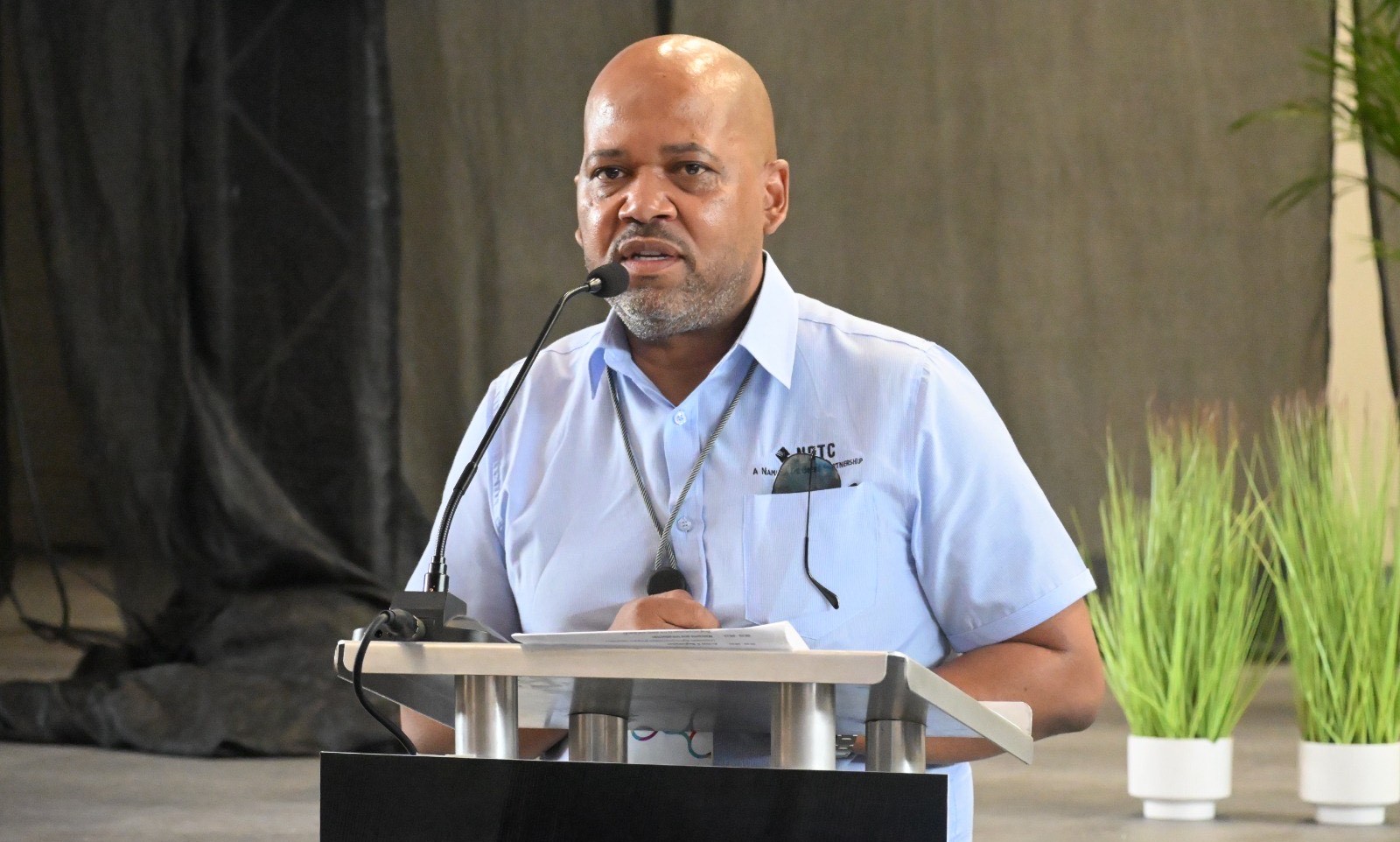
This is according to Namibia Diamond Trading Company (NDTC) chief executive Brent Eiseb.
He says the possible lapse of the Export Processing Zone Act on 31 December, without a transition plan to a special economic zone framework, would weaken Namibia’s competitiveness against Botswana and South Africa.
He cautions that unclear policy could discourage reinvestment and jeopardise beneficiation gains achieved over the past decade.
He says sightholders have already invested more than N$530 million in infrastructure and technology under the current system, and instability in policy “creates significant risks” for the diamond value chain.
Despite the uncertainty, Eiseb reports strong beneficiation outcomes, with sightholders buying about N$13 billion in rough stones since 2023 for local processing and around 88% of carats sold now cut and polished in Namibia.
He says polished exports exceed N$5 billion, contributing roughly 2% of gross domestic product (GDP) and 8% of manufactured exports, while supporting around 1 200 direct jobs and more than 3 000 indirect jobs.
He says the sector has survived multiple crises – including the 2008 global crash, the Covid-19 pandemic and the current downturn – without any NDTC Sightholder factory closures.
“What is remarkable is that despite close to three years of challenging market conditions where revenue, profitability and cash flow have been under severe strain, not a single NDTC Sightholder cutting and polishing factory has closed its doors,” he says.
Eiseb adds that the owners of Ankit Gems Namibia invested more than N$75 million during “the most challenging period that the natural diamond industry has experienced.”
Speaking at the unveiling of the expanded Ankit Gems Namibia facility, minister of industries, mines and energy Frans Kapofi says the investment demonstrates the strength of economic cooperation between Namibia and India.
He says diamonds remain vital to GDP, foreign earnings and employment, and that strengthening value addition is essential in the face of competition from artificial diamonds.
“The establishment of the Ankit Gems Namibia Diamond Cutting and Polishing Factory aligns with the Namibian government’s overarching policy frameworks such as the sixth National Development Plan and Vision 2030,” Kapofi says.
He says the factory employs more than 148 workers, uses advanced technology and exports polished stones to markets including the European Union, Asia and the United States.
Ankit Gems Namibia managing director Arun Shah says the company has grown from 15 employees in 2009 to more than 150, and expects to reach around 300 once the facility becomes fully operational.
He says more than half of its polishers are women trained internally.
“From modest beginnings with just 15 employees we have grown steadily to over 150 dedicated professionals, and now with this new expanded facility our strength will increase to around 300 professionals,” Shah says.
He adds that the firm plans to establish a pharmaceutical plant in Namibia to produce affordable medicines.
In an age of information overload, Sunrise is The Namibian’s morning briefing, delivered at 6h00 from Monday to Friday. It offers a curated rundown of the most important stories from the past 24 hours – occasionally with a light, witty touch. It’s an essential way to stay informed. Subscribe and join our newsletter community.

The Namibian uses AI tools to assist with improved quality, accuracy and efficiency, while maintaining editorial oversight and journalistic integrity.
Stay informed with The Namibian – your source for credible journalism. Get in-depth reporting and opinions for
only N$85 a month. Invest in journalism, invest in democracy –
Subscribe Now!