



When Ester Abrantes (25) first arrived at the Namibian University of Science and Technology (Nust), the excitement of starting a new chapter was quickly met with anxiety, self-doubt and emotional pressure she had not anticipated.
Abrantes, now a transport management graduate with a diploma in real estate management and a grant’s officer at the TK Institute, says the transition from high school to university was one of the most challenging periods of her academic journey.
She says she had to adjust not only to a demanding academic environment but also to a new level of independence.
“High school prepares you academically, but emotionally it is very different.
At university, you are expected to manage your time, your studies, your finances and your personal life on your own, and that can be overwhelming,” she says.
She explains that the sudden shift from a structured school environment to university life left her feeling isolated at times, particularly during her first year.
Large lecture halls, academic pressure and the fear of failure added to the emotional strain.
“There were moments when I felt like I was not doing enough, even when I was trying my best. You start questioning yourself and whether you belong there,” she says.
Abrantes says financial stress was another major contributor to her anxiety.
“When you are worried about accommodation, food or fees, it becomes difficult to focus fully on your studies,” she says.
Despite these challenges, she says seeking support played a critical role in helping her cope.
She leaned on friends, family and university support structures, and learnt the importance of asking for help when things became too much.
“One of the biggest lessons I learnt is that struggling does not mean you are weak, it means you are human,” she says.
As a graduate, Abrantes says she believes pupils need more emotional preparation for university.
She says conversations about mental health should start at a school level, to help normalise seeking support.
“Students need to know that it is okay to feel overwhelmed, especially in your first year,” she says. “Universities also need to ensure that counselling and support services are visible and accessible.”
She encourages first-year students to pace themselves, build support networks and avoid comparing their journeys to others.
“Take things one step at a time, university is not a race. Ask for help early, take care of your mental health and remember why you started,” she says.
Eureka Psychological Services psychologist and executive Ceaseria Mutau adds that the transition from high school to university is a psychological crossing, where young minds move from structure into autonomy, an unfamiliar territory.
“Unfortunately, most students also enter this phase already navigating the growing pains of identity formation, making them especially vulnerable to questions of belonging and self-worth,” she says.
“Without the daily anchors of home and school, many quietly experience anxiety, imposter syndrome, loneliness, and an overwhelming fear of failure. What appears as a heightened need for independence may, for many, be an inner struggle to feel seen, capable, and to fit in.”
Mutau explains that during this period, self-efficacy, the inner belief in one’s ability to learn, cope, and persist becomes a quiet determinant of how young people navigate challenges.
“This belief is often shaken during the move from high school to university, because familiar markers of competence disappear.
When self-efficacy is low, challenges are experienced as threats; when it is nurtured, the same challenges become opportunities for mastery,” she says.
She adds that this period calls for compassion, understanding, and less judgement, both internally and from the environment around students.
“When young people are met with grace rather than scrutiny, they are far more likely to develop the self-efficacy needed to endure, adapt, and ultimately thrive,” Mutau says.
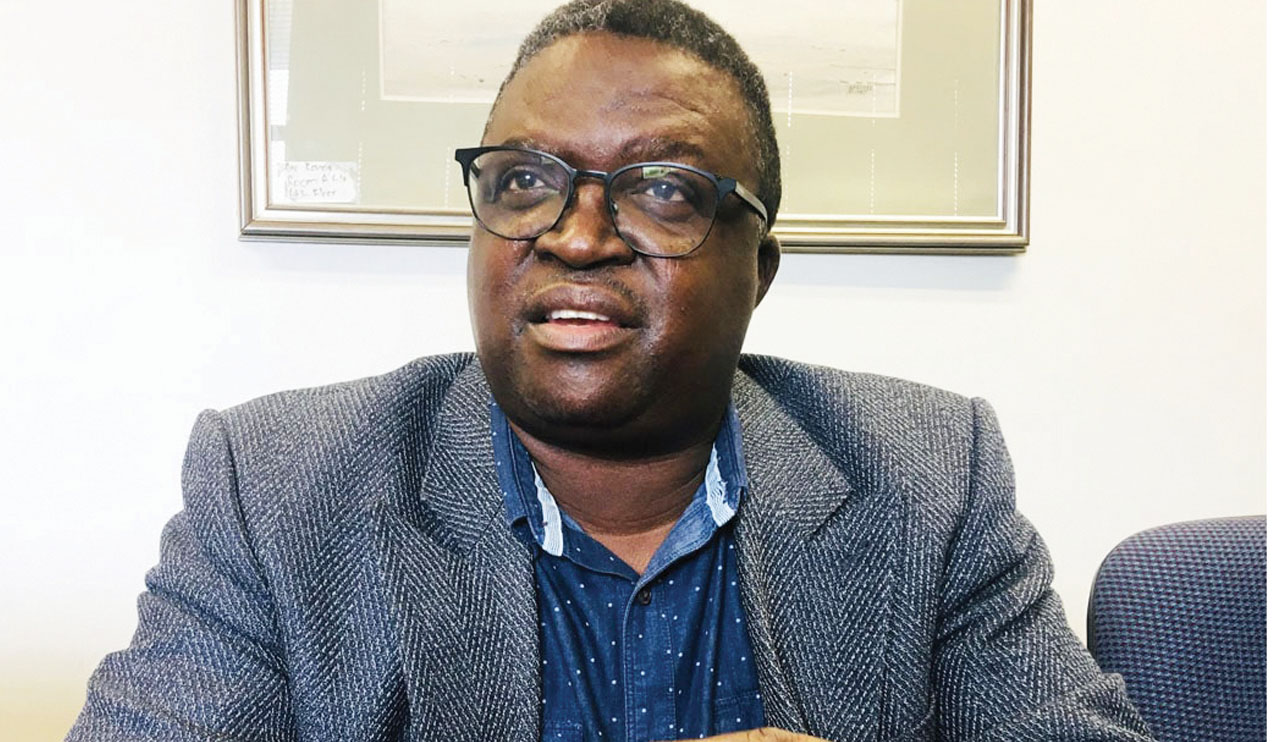
Namibia Social Workers Association vice president Alice Umurerwa says the transition shock is when a person experiences emotional and psychological turmoil.
“When moving from one familiar environment to another.
It can be experienced by students from secondary school to tertiary institutions or new professionals from university to the work space,” she says.
In an age of information overload, Sunrise is The Namibian’s morning briefing, delivered at 6h00 from Monday to Friday. It offers a curated rundown of the most important stories from the past 24 hours – occasionally with a light, witty touch. It’s an essential way to stay informed. Subscribe and join our newsletter community.

The Namibian uses AI tools to assist with improved quality, accuracy and efficiency, while maintaining editorial oversight and journalistic integrity.
Stay informed with The Namibian – your source for credible journalism. Get in-depth reporting and opinions for
only N$85 a month. Invest in journalism, invest in democracy –
Subscribe Now!