




The United States Agency for International Development (USAID) has been a major partner in funding and implementing vital development programmes in Namibia – spanning critical sectors such as healthcare, agriculture and environmental conservation.
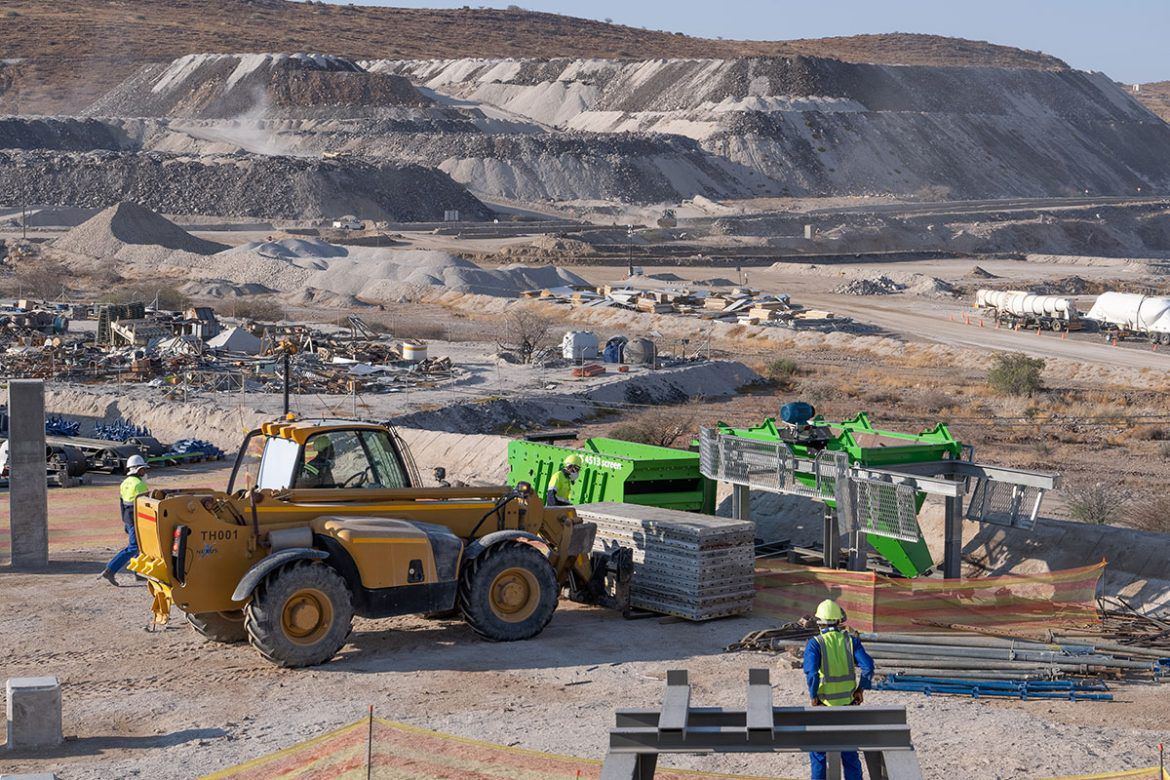
It also includes a commitment last year to grant N$19 million to Namibia’s Green Hydrogen Fund to help the country realise its green industrial objectives, funding that now potentially faces uncertainty.
USAID’s contribution and impact in Namibia cannot be understated.
It has been instrumental in supporting numerous people-centred government initiatives and has supplemented the country’s social safety net since independence.
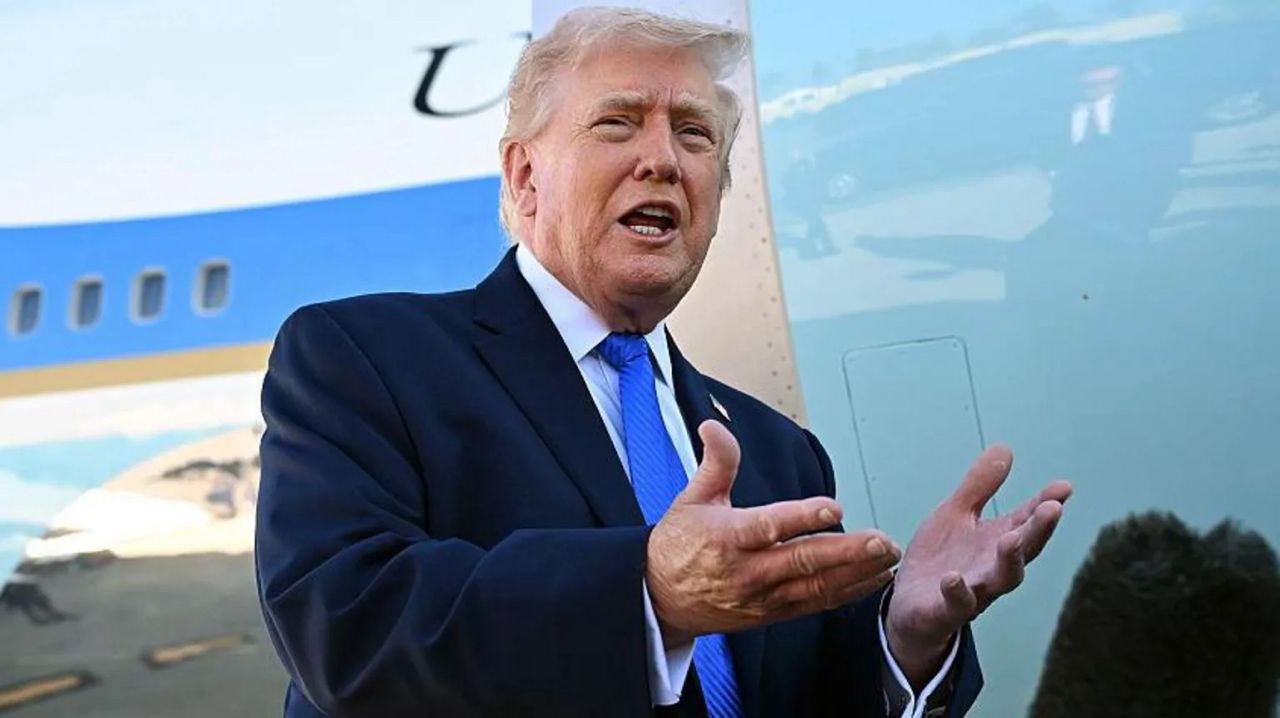
On 20 January, an announcement by newly inaugurated United States (US) president Donald Trump that he was taking steps to close USAID sent shockwaves through the international development community.
Namibia is one of those already affected by the freeze on US foreign aid funding.
Of particular concern has been the suspension of the US President’s Emergency Plan for AIDS Relief (Pepfar) which affects HIV treatment, testing and prevention services.
USAID funds projects in more than 100 countries.
MAKING A DIFFERENCE
Programmes supported by USAID have made a real difference in the lives of many Namibians, including mine.
I vividly remember participating in the ‘Dreams’ programme, an initiative designed to educate schoolgoing boys on sexual and reproductive health and rights (SRHR).
At a time when after-school activities for boys were scarce, ‘Dreams’ provided us with a positive and constructive alternative that kept numerous boys off the streets, and instilled a sense of purpose in us.
USAID’s reach extended to hard-to-reach rural communities, where access to quality SRHR services is often a distant dream.
Its support reached the most vulnerable.
Initiatives supported by USAID extensively supported people affected by HIV-AIDS, ensuring they had a fighting chance.
Through targeted interventions, USAID has contributed significantly to Namibia’s progress towards the Joint United Nations Programme on HIV and AIDS 95-95-95 targets, with 93% of the population now aware of their HIV status, 95% of those diagnosed receiving treatment, and 98% of treated individuals achieving viral load suppression.
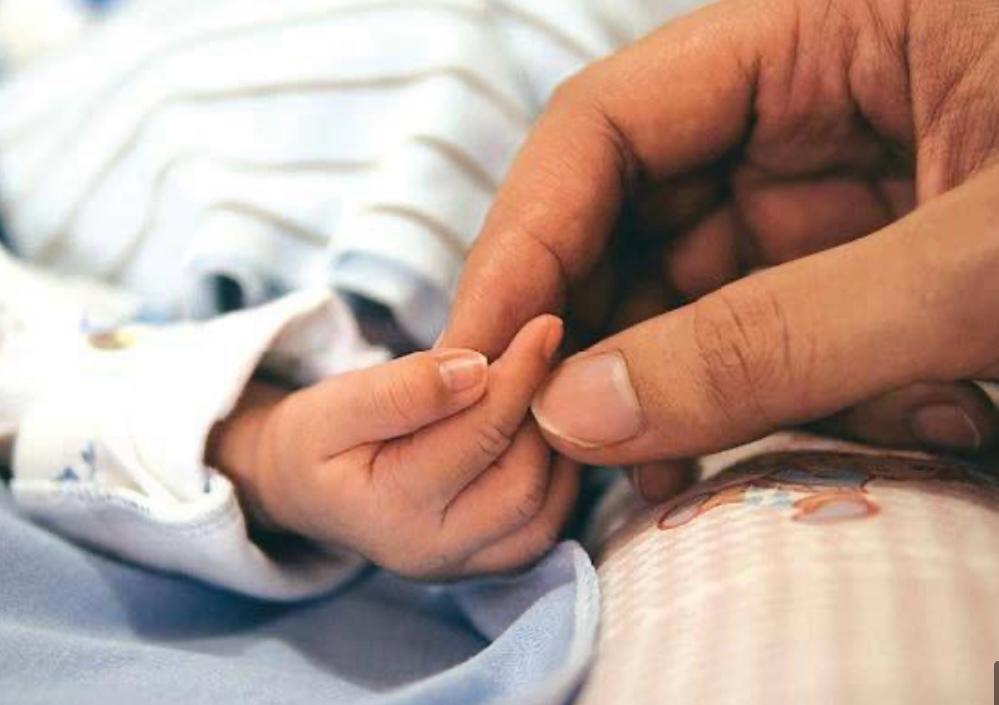
Also, around 98.5% of babies born to HIV-positive mothers in Namibia are HIV-free because of increased access to antiretroviral therapy (ART).
Pepfar is the largest commitment by a single nation towards an international health initiative.
And in Namibia, it has contributed more than US$1 billion (about N$18.6 billion) to HIV-AIDS activities since 2003, according to a previous statement from the US Embassy.
SHINING EXAMPLE
USAID has done all this and more. It has also employed numerous Namibians, either directly, or through its local partner organisations.
The grassroots impact of development projects it has funded is an example of what international funding can achieve when it is goal-oriented and reaches the heart of the communities for which it was intended.
Namibian non-governmental organisations (NGOs) and government ministries and agencies supported by USAID funding to implement impact-driven programmes are already experiencing disruptions.
Now, president Trump’s position on international aid is most likely to lead to programme modifications or termination, potentially reversing years of hard-won progress.
While president Trump said he found USAID spending “totally unexplainable”, it has had a profound effect on the lives of countless people worldwide.
More than that, it has saved the lives of millions of people.
CAN WE REWRITE THE NARRATIVE?
As the Nigerian saying goes, “when the music changes, so does the dance”.
While the unprecedented change and disruption heralded by Trump’s executive order is a major setback, can the Namibian government, local NGOs and private sector stakeholders meet the moment?
Can they assume greater responsibility for the country’s development and diversify funding sources for critical service-centred programming.
We need to adapt and swiftly seize the opportunity to enhance the mobilisation of domestic financial resources by encouraging the private sector to help fill the emerging gaps left by president Trump’s move on aid funding.
This could support the implementation of essential services and programmes and ultimately contribute towards the government’s developmental plans and aspirations.
Even with alternative donors and funders, such as the European Union, China or the United Nations, potentially approaching the Namibian government about assistance, the state has to show it can stand on its own two feet in terms of essential services and programmes.
We must seize this opportunity to design a development framework that is both locally driven and sustainable.
A WAY FORWARD
Trump’s executive order on US foreign aid presents a significant turning point for Namibia.
It forces us to confront our vulnerabilities, while simultaneously offering an opportunity to reflect on our own self-reliance.
While there is genuine concern over the immediate impact on programmes funded by USAID, this suspension also offers an opportunity for the country.
By embracing this moment, Namibian leaders, local funders and civil society organisations can hopefully work together to build a more self-reliant development framework.
The path forward is ours to chart. We cannot allow uncertainty to dictate our destiny.
- – Rivaldo Kavanga is a law student at the University of Namibia, co-founder of Active Youth Organisation Namibia and a #BeFree ambassador; rivaldokavanga22@gmail.com
In an age of information overload, Sunrise is The Namibian’s morning briefing, delivered at 6h00 from Monday to Friday. It offers a curated rundown of the most important stories from the past 24 hours – occasionally with a light, witty touch. It’s an essential way to stay informed. Subscribe and join our newsletter community.

The Namibian uses AI tools to assist with improved quality, accuracy and efficiency, while maintaining editorial oversight and journalistic integrity.
Stay informed with The Namibian – your source for credible journalism. Get in-depth reporting and opinions for
only N$85 a month. Invest in journalism, invest in democracy –
Subscribe Now!