



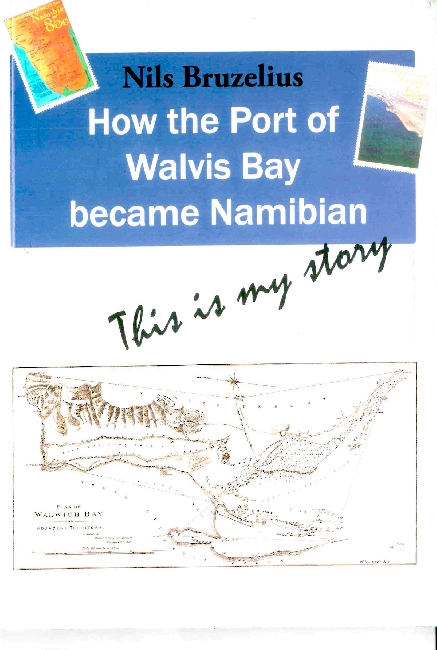
WALVIS BAY, formerly known as Walwich Bay or Walfish Bay, has a gripping history. One untold to the public. Until now.
The cherished Namibian town didn’t become the port that it is today without its share of struggle, turmoil and millions of dollars worth of incredulous payments.
Brought to life on 7 December 1988, coincidentally the same day author Nils Bruzelius’ second son was born, the new non-fiction ‘How The Port of Walvis Bay Became Namibian’ documents the transition of Walvis Bay which simultaneously runs across the timeline of his life – and how it changed his perception of how things work forever. After all, a major event like this could only be described as thought-provoking.
There’s an interesting back story to this transition: It was the last day of February 1994 when Namibia, as the author puts it, celebrated the reintegration of the Walvis Bay enclave and the Penguin Islands into Namibia – which is basically a cluster of islands along the Namibian coast – which marked the end of a tussle between the governments in southern Africa.
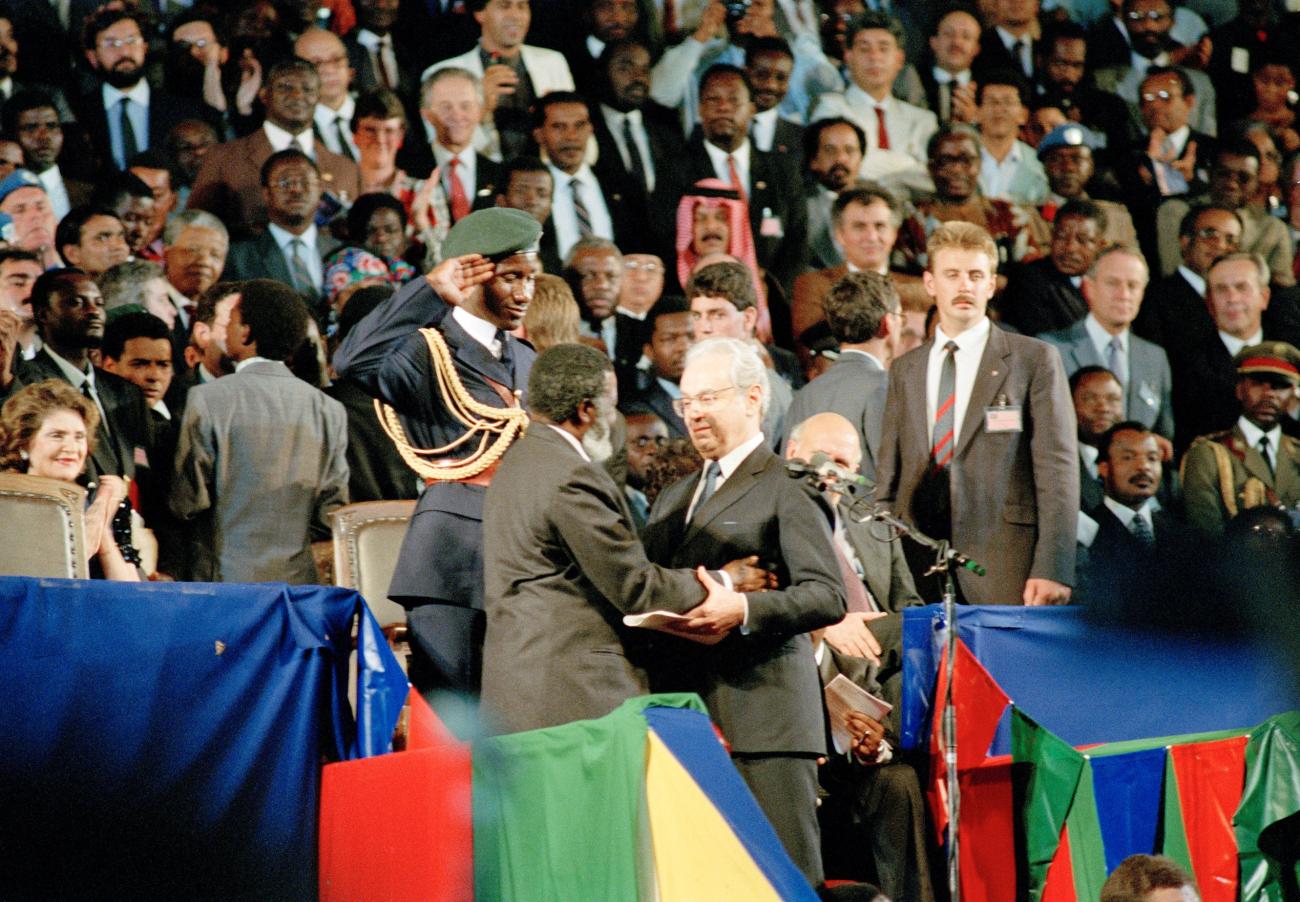
Millions were spent on a splashy event in Kuisebmond where foreign dignitaries such as president Robert Mugabe and former president of Ghana flight lieutenant Jerry Rawlings and locals celebrated a milestone in Namibia’s history. But it was not the celebration that detailed the important part of the transfer – it was the days after.
In March 1994, there still had not been an agreement between South Africa and Namibia concerning which government would officially own Walvis Bay as there were still conditions that hadn’t been met.
Portnet, a South African state-owned port operator, wanted to receive a ‘consideration’ amount, which totalled to N$64,4 million as payment for the assets of the port. However, the parties agreed to a lease instead, which would give the Namibian government temporary control over it.
Around this time, the Namibian Ports Authority was formed, and this was when a pull of power and disagreements intensified. In fact, points of this disagreement were never made public – which sparks the question: what really happened in the few months between Portnet and NamPort during a transfer that was meant to be a simple handover?
With South Africa also becoming independent, the situation became even more aggravated. And the author has the numbers to prove it. Interestingly enough, this tussle came to an end when about N$30 million was paid in December 1995 to the the South African port operator by NamPort, officially sealing the deal. But how did it happen?
Aside from this chapter in Namibian history, which has been kept secret for so long, Bruzelius dives further into the mystery of the transfer of power by including conversations with top officials and quotes from documents obtained by those involved.
It is by no means a step into scholarly work, as the author explained, but his personal experience – which more or less begins around May 1989.
The Swedish national was visiting Walvis Bay on a drive from Windhoek, and described his experience as ‘unique’.
Being a Swede at Walvis Bay was not common, after all. But a phone call changed everything – would he be willing to draft a report on transport in Namibia?
Having no choice, this time-consuming act thrust him into a world of research, restrictions and revelations. But how he went about his work also played a role in the key Namibian events, including its independence. But once again, the question remains: How did Walvis Bay become Namibian and what was his involvement in it?
The answers lay within the pages of this thrilling 130-page read.
‘How the Port of Walvis Bay Became Namibian’ is published by Kuiseb Publishers. For more information, contact nwg@iway.na.
In an age of information overload, Sunrise is The Namibian’s morning briefing, delivered at 6h00 from Monday to Friday. It offers a curated rundown of the most important stories from the past 24 hours – occasionally with a light, witty touch. It’s an essential way to stay informed. Subscribe and join our newsletter community.

The Namibian uses AI tools to assist with improved quality, accuracy and efficiency, while maintaining editorial oversight and journalistic integrity.
Stay informed with The Namibian – your source for credible journalism. Get in-depth reporting and opinions for
only N$85 a month. Invest in journalism, invest in democracy –
Subscribe Now!