




After two weeks of lockdown, I cannot be bothered about the hard statistics about the worldwide novel coronavirus pandemic. It’s a case of too much information and too little insight. Quite frankly, some days it seems that we take one step forward and two steps back, in coming to grips with what exactly is going on.
Perhaps the only certain thing in our rapidly changing world is that the we have stumbled into a big old mess right now.
Paradigms are shifting and hegemonies are being wiped out. Globally, constitutional rights and freedoms have been suspended and ambitious tyrants are looming in the shadows of a gigantic economic implosion.
As the cloud of information and misinformation grew, I shifted my attention to the lighter side of the pandemic. Right now, I am intrigued by our coping strategies. More specifically, how food and beverage are shaping our daily lockdown behaviour.
Here are things I have observed thus far.
First, for obvious reasons, people had to cook and eat at home a lot more. For many this means cooking at least two, maybe even three, family-sized meals a day. With more time for cooking, and perhaps the feeling that they are on an unexpected vacation, some are putting a real effort into their meals. Which means that they are scrambling to find recipes. There must be significant pressure on home cooks to come up with fresh ideas. The novelty of braaiing in the middle of the week has worn off, and so has the two-minute noodle craze. I suspect the return to home cooking is going to remain long after the pandemic is gone.
Two: There is an increased interest in breadmaking and baking. This includes all aspects: from making sourdough starters, through to scones and on to hoity-toity crêpes suzette. This trend became more important over the Easter weekend as the world yearned for the comfort of hot cross buns. Even inexperienced and reluctant home cooks explored the interface between spirituality and food as we all crave comfort right now.
But bread is the big thing, and everything goes – flat breads, unleavened breads, no-knead breads, soda breads, and, of course, sourdough bread. I would not be surprised if home-made sourdough becomes the next big thing.
Three: People tend to snack and eat a lot more when in lockdown, especially during that first week or so when the holiday spirit was high. Nearly everyone is complaining that they’re picking up weight and since no one is allowed to buy new clothes at the moment, the only viable strategy to combat weight gain, is to do more exercise. As a result, lockdown exercise routines have become like recipes. Everyone has one and everyone shares theirs with friends. From running shuttles in the panhandle to star-jumps and frog-leaps in the driveway, the neighbours have been an endless source of entertainment.
Four: Have you noticed how quickly people established new routines and settled into their new lives at home? It took a mere three weeks, and most have realised that the sky has not fallen on their heads because they took things a little slower. Everyone is trying new things to pass the time and fill the unproductive slots. They are reading books, exploring music, trying their hand at arts and crafts, doing online classes and taking a lot more photographs. It is as if the world has become a whole lot more creative all of a sudden.
There is also more nostalgia. Nowhere more so than in the kitchen. The once-forgotten family cookbook has suddenly become currently indispensable and past generations are being revered as food heroes. Their recipes represent a time when life seemed a lot simpler and much less uncertain. The recipes are short and simple, and they bring back vivid memories of much happier times.
After two weeks of the lockdown many must start to regret their panic-driven binge shopping. There is still a mountain of food and right now that tinned meat looks much less appetising than the day it was bought. I have not yet seen a surge in interest in recipes calling for bully beef, tinned beans or canned spaghetti. If you are one of those, I hope you find a way of sharing some of your privilege because now is a time to give. With great economic hardship looming for all, compassion is becoming a most valued (and needed) commodity.
The pandemic might change our relationship with food and may change our outlook on home cooking. Many may never go back to their old life driven by convenience.
No doubt, many families will rediscover each other in the kitchen and around the table where they will rejoice over the quality of their meals and the uninterrupted time with each other. As such, many may grow to like their world to be this quiet and their cooking to be this slow. For them, going back to work may seem such a schlep, and they may even miss the lockdown when it’s gone.
Please be safe, be kind and be generous with each other.
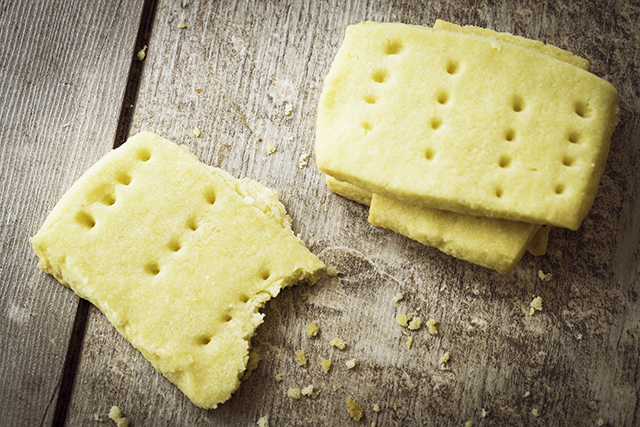
Scottish Shortbread
Ingredients:
• 1 cup butter, softened
• 1⁄2 cup confectioner’s sugar
• 2 cups cake flour
Directions:
Preheat your oven to 160 °C. Line two baking sheets with parchment paper or silicone mats and set aside.
Place all ingredients in a large bowl. Mix with an electric mixer until completely combined and soft dough forms.
Roll out dough on a floured surface to about 5 mm thickness throughout. Use cookie cutters, biscuit cutters, or a pizza slicer to cut out shapes. Place shapes on prepared baking sheets. Pierce with a fork if you like to create a pattern.
Bake for 18 to 20 minutes or until just lightly browned. When done, remove the cookies from the sheet and cool on a wire rack.
In an age of information overload, Sunrise is The Namibian’s morning briefing, delivered at 6h00 from Monday to Friday. It offers a curated rundown of the most important stories from the past 24 hours – occasionally with a light, witty touch. It’s an essential way to stay informed. Subscribe and join our newsletter community.

The Namibian uses AI tools to assist with improved quality, accuracy and efficiency, while maintaining editorial oversight and journalistic integrity.
Stay informed with The Namibian – your source for credible journalism. Get in-depth reporting and opinions for
only N$85 a month. Invest in journalism, invest in democracy –
Subscribe Now!