


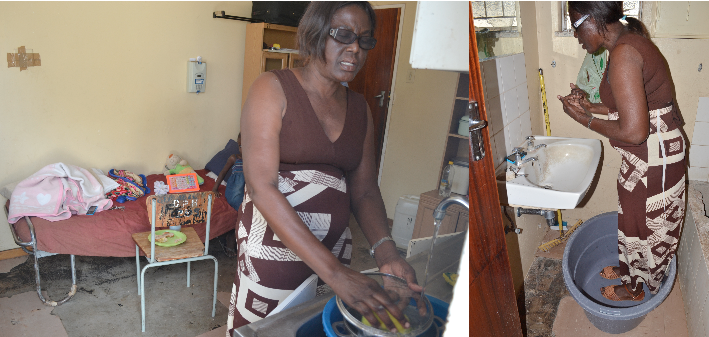
ELSINA Tjombe (35), a Grade 2 teacher at the Drimiopsis Primary School, is still getting used to sharing a three-bedroom house with two other people.
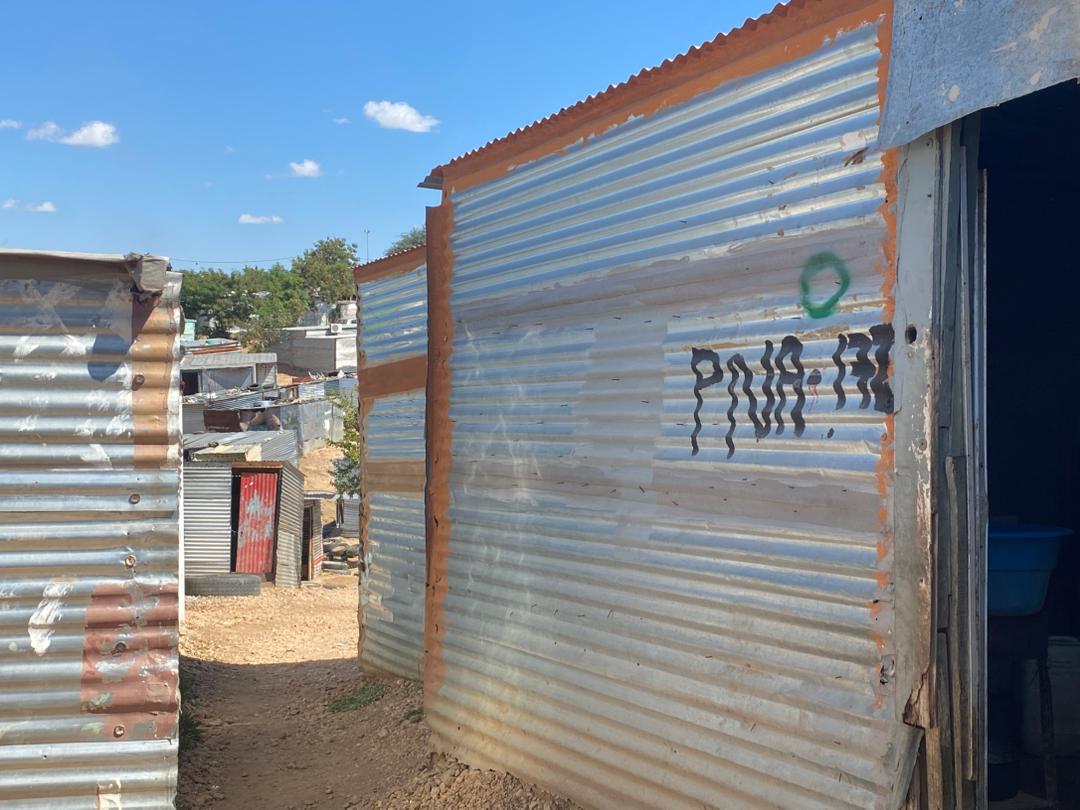
The teachers ‘ houses are in the deprived area just a three-minute walk from the school. Tjombe says the house is not big enough for them all.
“Sometimes you want to start building your life and buy furniture, but you cannot do so because the rooms are too small,” she says.
Apart from the accommodation blues, Tjombe says she enjoys being a teacher in the rural area.
“I ‘m not a town person. I like it here,” she says, adding that they always watch movies or jog together.
Her colleague, Unombuiro Upi, says teaching in the rural area has its benefits, like saving money, since they do not pay for transport to work.
She, however, said they have to drive into town — about 50 kilometres away — just to buy basics like milk and toothpaste.
Their colleague, Priscilla Nangula Ueitele, is still upset about a bathtub that broke a few years ago. Taking The Namibian on a tour of the house, Ueitele points at the bathtub which lies under a tree.
“I wrote a letter to the ministry about it in 2014, but nothing has been done,” she says.
Since the taps are broken and the toilet does not flush, they use a bucket to bath and to flush the toilet.
Ueitele says her three children sleep in the kitchen.
This situation is not different from that faced by teachers at the Mphe Thuto Primary School, about 30 kilometres from Gobabis, where there is no running water and teachers are forced to buy mineral water to use for bathing and cooking.
Edgar Lyomba, teacher and head of department at Mphe Thuto, has about 20 containers of mineral water at his doorstep for his daily needs.
“I used to drink the water from the nearby farms, but stopped after I experienced stomach problems,” he says.
In his one-bedroom apartment, the toilet does not flush and the bathroom has no tub.
“Since there is no running water, we have to go back to the traditional way of bathing from basins,” he laughs rather out of anger.
Lyomba says the education ministry is aware of their living conditions.
“Government uses cheap materials to build. That is why things break so easily,” he says.
Some teachers say sharing houses sometimes leads to arguments.
Winnie Paula /Goagoses, a young Grade 2 teacher at the Mphe Thuto Primary School who shares a house with six others, says she once had a heated argument with her roommate over space.
“We stored our containers in the corner next to her bed, and she was upset about it because she believes it is her corner. The quarrel was so bad it almost got physical,” she says.
She adds that they recently met the principal over the issues, including disagreements over cleaning duties.
Omaheke education director Peka Semba believes that teachers should not wait for government to fix everything in their homes, but should take the initiative.
“If a tap is not working because there is a broken piece, why not take the responsibility and have it fixed yourself? These are their own homes. They cannot wait for government to do everything for them,” says Semba, adding that teachers should take proper care of their properties.
“Sometimes we give a new house to an individual, but after three months it is in a bad state,” he says.
Semba says government spent N$3 million on teachers ‘ housing in the last financial year.
“The provision of housing is not considered a condition of service. It is the ministry ‘s social responsibility,” says Semba.
In an age of information overload, Sunrise is The Namibian’s morning briefing, delivered at 6h00 from Monday to Friday. It offers a curated rundown of the most important stories from the past 24 hours – occasionally with a light, witty touch. It’s an essential way to stay informed. Subscribe and join our newsletter community.

The Namibian uses AI tools to assist with improved quality, accuracy and efficiency, while maintaining editorial oversight and journalistic integrity.
Stay informed with The Namibian – your source for credible journalism. Get in-depth reporting and opinions for
only N$85 a month. Invest in journalism, invest in democracy –
Subscribe Now!