



SOME OF THE most important infrastructure in Namibia is almost invisible.
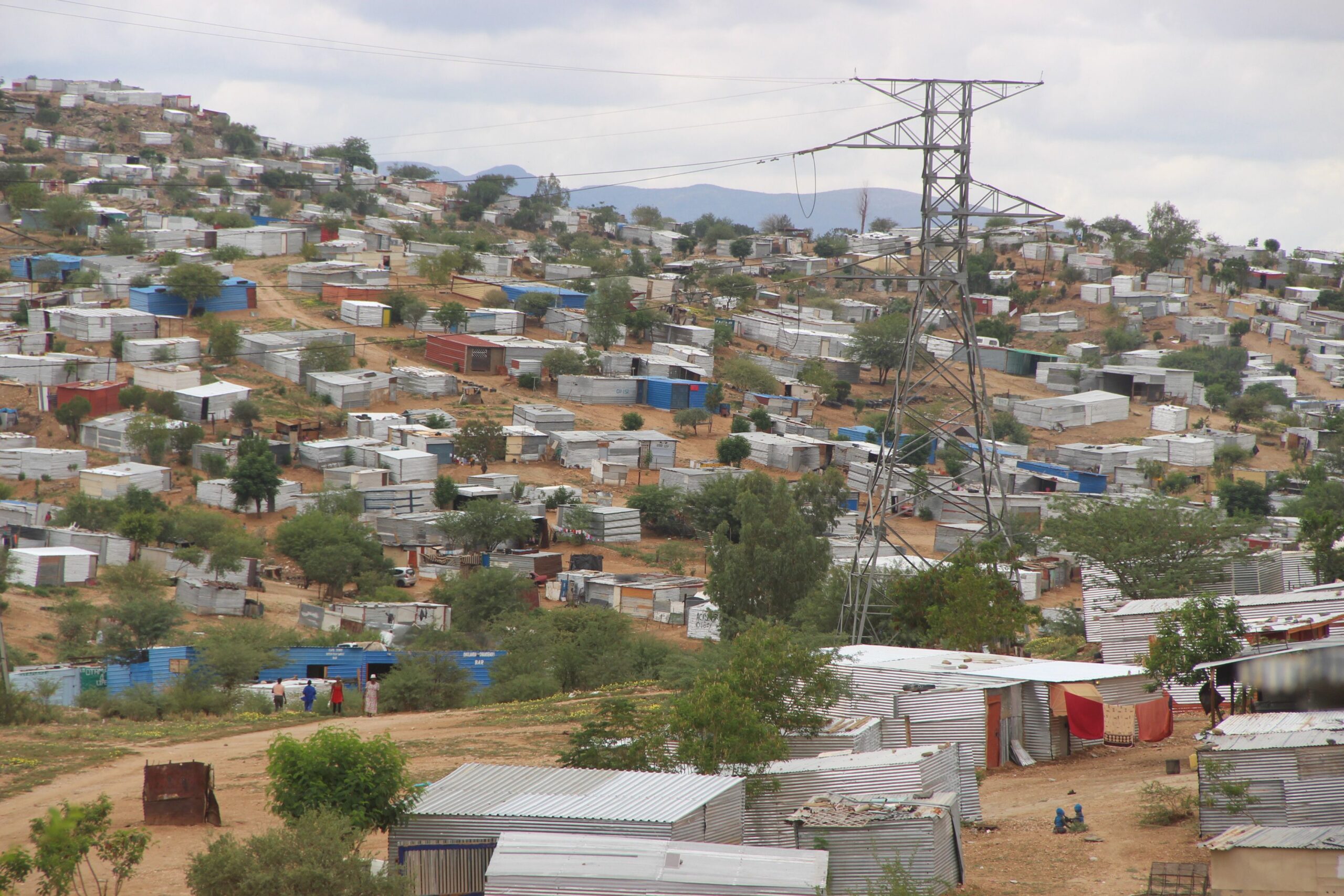
Across vast rural areas, the stability of daily life depends on something remarkably simple: a borehole quietly delivers water to a community that may have no other reliable source within reach.
It rarely appears in policy discussions. It does not attract public attention. Yet in many villages, that single point of water determines whether daily routines function normally or collapse into uncertainty.
When the system operates as intended, the rhythm of community life continues without interruption. Livestock are watered. Families organise their day with confidence. Children attend school instead of walking long distances in search of water. Local activity moves forward without disruption.
The moment the borehole stops working, the balance changes immediately.
A mechanical fault or electrical failure can transform a functioning settlement into a community struggling to secure the most basic necessity.
Distances to water increase dramatically. Time disappears from productive activity. Pressure grows on already vulnerable households.
What makes this reality particularly striking is that the problem is rarely the absence of infrastructure.
Namibia has invested consistently over the years to expand water access across rural regions. Thousands of boreholes have been drilled.
Equipment has been installed. Significant effort has been made to bring water closer to the people who need it most.
The more important question is whether these systems continue to deliver their intended value over time.
Infrastructure is often understood as a moment of completion. A project reaches the stage where it is inaugurated and handed over.
In reality, that moment represents the beginning of a long operational life that requires attention, coordination and responsibility.
Equipment ages, components fail, environmental conditions take their toll, security risks emerge, operational responsibilities become unclear, maintenance becomes irregular.
Gradually, a system designed to support a community begins to lose its reliability.
The process rarely happens overnight. It unfolds slowly and often without notice until the day a community suddenly finds itself without water.
Across Africa, a shift in thinking is beginning to take place. Governments, engineers and development institutions are recognising that the next stage of infrastructure development is not defined only by construction. It is defined by the long-term performance of the assets that already exist.
Namibia is particularly well-positioned to lead this conversation.
The country possesses strong institutions, experienced engineers, and a private sector capable of operating in challenging environments. When these capabilities align the result is not simply infrastructure. It becomes a system that supports resilience, stability and long-term development.
Reliable water infrastructure may not be the most visible form of progress.
Yet for the communities that depend on it every single day, its importance cannot be overstated.
In the end the true measure of infrastructure is not the day it is commissioned but the years during which it continues to serve the people it was meant to support.
And that is a conversation Namibia should continue to pursue with determination and ambition.
– Fausto Mendes is a professional engineer, project manager and the founder of F Mendes Engineering Consulting.
In an age of information overload, Sunrise is The Namibian’s morning briefing, delivered at 6h00 from Monday to Friday. It offers a curated rundown of the most important stories from the past 24 hours – occasionally with a light, witty touch. It’s an essential way to stay informed. Subscribe and join our newsletter community.

The Namibian uses AI tools to assist with improved quality, accuracy and efficiency, while maintaining editorial oversight and journalistic integrity.
Stay informed with The Namibian – your source for credible journalism. Get in-depth reporting and opinions for
only N$85 a month. Invest in journalism, invest in democracy –
Subscribe Now!