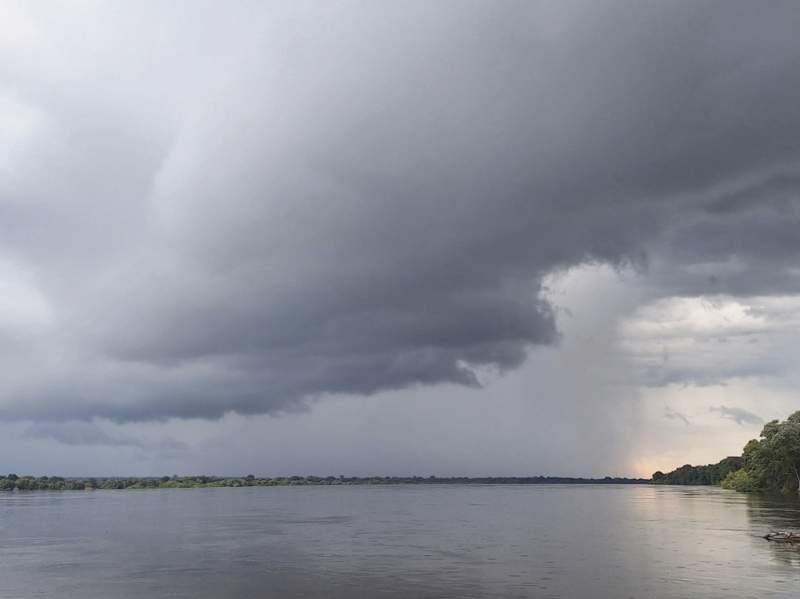




The high seas are the vast open waters that stretch far beyond any country’s borders.
Beneath their deep blue surface lives an incredible variety of marine life – from fish and sharks to turtles, whales and dolphins.
Because no nation can claim ownership of these waters, they are considered a shared resource that belongs to everyone.
This comes with serious challenges: an area too large to be monitored and a shared responsibility for its management among the entire world.
For centuries, people have used these vast ocean areas for travel and fishing. Now that resources on land have become scarce, many countries are turning their attention to the seafloor where valuable materials lie hidden. Oil, gas, minerals, and rare earth elements are among the resources being sought in these deep ocean spaces.
Like any extractive industry, mining in the high seas comes with major challenges.
The seafloor and the open ocean are home to rich and important ecosystems that support ocean health and the livelihoods of people globally. Mining could cause serious harm to these environments and the communities that depend on them.
Because the high seas belong to no single nation, the question arises: who decides who may access their resources and who is responsible for managing the negative impacts of their extraction?
As a result, the need for strong international rules to govern the use and protection of these areas is increasingly urgent.
The response to this global need is the new agreement on the conservation and sustainable use of marine biodiversity beyond national jurisdiction (BBNJ), which comes into effect on 17 January. After decades of international negotiations, this treaty is seen as a major step forward for protecting the high seas.
In September 2025, the treaty reached its required 60th ratification, triggering a 120-day countdown to its entry into force. When a country ratifies a treaty, it officially agrees to follow it and must ensure its national laws match the new international rules.
The BBNJ allows for marine protected areas to be established beyond countries’ jurisdictions and outlines standards for environmental impact assessments for planned activities.
It sets fair rules for using marine genetic resources, supports developing countries with funding and technology and strengthens ocean ecosystems to help protect against climate change.
Namibia has a strong responsibility to join the agreement because it borders the highly productive Atlantic Ocean. Although Namibia took part in the negotiations, it is not one of the 60+ countries that have ratified the treaty.
Instead, Namibia will accede to the agreement, which means it will officially accept and follow the treaty’s rules. Accession carries the same level of commitment as ratification and shows Namibia’s support for protecting the high seas.
Nearly two thirds of the world’s oceans lie in the high seas, far beyond any country’s borders. For years, these waters have faced serious threats from climate change, pollution, overfishing and biodiversity loss – with no strong laws in place to protect them.
The new treaty now provides a much-needed safety net, helping to safeguard the high seas and the vital climate, ecological, economic, social and food security benefits they provide to people around the world.
However, serious concerns remain about how the treaty will be enforced, given the vastness of the high seas, limited resources in developing countries and resistance from major powers – the United States, China and Russia.
In an age of information overload, Sunrise is The Namibian’s morning briefing, delivered at 6h00 from Monday to Friday. It offers a curated rundown of the most important stories from the past 24 hours – occasionally with a light, witty touch. It’s an essential way to stay informed. Subscribe and join our newsletter community.

The Namibian uses AI tools to assist with improved quality, accuracy and efficiency, while maintaining editorial oversight and journalistic integrity.
Stay informed with The Namibian – your source for credible journalism. Get in-depth reporting and opinions for
only N$85 a month. Invest in journalism, invest in democracy –
Subscribe Now!