



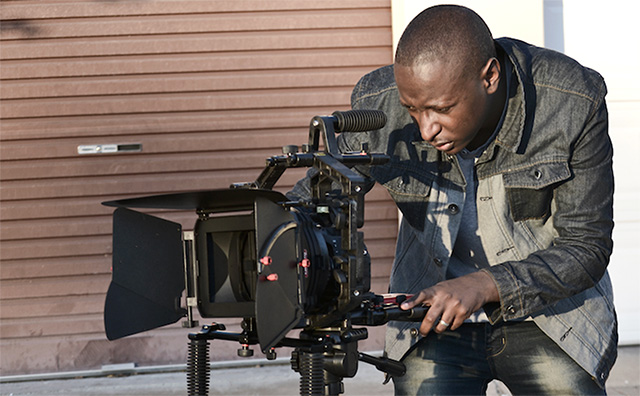
Since the turn of the 20th century, the art of cinematography and the expansion of the film industry have been tremendously influential in the way society looked at art and culture and its role in our communities.
From silent films to the birth of talkies and the cinema mega-blockbusters the world loves today, motion pictures have entertained at drive-ins, in cinemas and via streaming from the comfort of your home.
For the past decade, Namibian film-makers have steadily and notably contributed to the growth of the industry with films improving in quality and content as productions travel the globe.
Alas, the sector is heavily affected by the state of emergency regulations currently in place to curb the spread of Covid-19.
Namibia Film Commission board member Marinda Stein last Friday noted film-makers were immediately impacted by the regulations as funding has been put on hold.
Director, screenwriter and film producer Desiree Kahikopo, the creative eye behind ‘The White Line’, says the unexpected nature of the virus has strained the local premiere of the film.
“We were planning on premiering in March. The lockdown has put off all plans as well as income to be generated from the release,” she says, adding the production cost of the film still has to be covered.
She says the postponing of the premiere was disheartening as the film had been in the making for over three years.
As a content creator, however, Kahikopo doesn’t feel intimidated by the lockdown.
“The country may be under lockdown, but not our minds. This is the time to ask what I can do. I’m looking at different ways to create. Once the lockdown is over, I don’t have to start from scratch.”
She says social distancing is a threat as film-makers will find it hard to work together, although tasks in the pre-production phase can be completed. She says script readings, rehearsals and meetings can take place online, but questions how social distancing will be carried out – especially at theatres.
“How are we going to make a living from this?” she asks, referring to the online release of content. This is what we as an industry have to consider. There are so many ways we can look at how to make this work for us, but we have to implement it. We have to put our words and thoughts into action.”
Critically acclaimed Namibian film-maker Oshoveli Shipoh, who last year released ‘Hairareb’ to positive reception, says the sector is affected as projects which have received funding from local governing institutions have been halted.
“But we shouldn’t stop doing what we’re doing.”
Shipoh says creatives should look at other funding programmes and online platforms that will allow them to do what’s necessary to transform the face of motion pictures in Namibia.
He says he has noticed a rise in message-driven content centred around Covid-19, and this could be an opportunity for local writers and directors.
“Such informative entertainment is in high demand. We need to make use of it,” he says, adding that films can be produced from home or by a small group of people.
“My recommendation to film-makers is to not worry or stop what they are doing. This pandemic shouldn’t put you down.”
The director is currently working on two features and is looking forward to bringing them to life post-lockdown.
Shipoh implores creatives to think outside the box in terms of funding.
He sees the current crisis as an opportunity for a paradigm shift regarding arts and culture.
“This will allow the government to re-evaluate the importance of arts and culture as essential in this country.”
In an age of information overload, Sunrise is The Namibian’s morning briefing, delivered at 6h00 from Monday to Friday. It offers a curated rundown of the most important stories from the past 24 hours – occasionally with a light, witty touch. It’s an essential way to stay informed. Subscribe and join our newsletter community.

The Namibian uses AI tools to assist with improved quality, accuracy and efficiency, while maintaining editorial oversight and journalistic integrity.
Stay informed with The Namibian – your source for credible journalism. Get in-depth reporting and opinions for
only N$85 a month. Invest in journalism, invest in democracy –
Subscribe Now!