



A few centuries ago, human beings had no other choice but to make use of alternative forms of transport – that is until the first car was produced.
Since the early days of Ford, numerous car brands have popped up and tried different styles of design and engineering. Some failed while others succeeded. These top brands have been changing the driving game so much lately that it seems in the near future, we might not have to drive at all.
I remember watching ‘I, Robot’ about 13 years ago and being completely shocked by Will Smith’s self-driving Audi, thinking this would take at least another 100 years to achieve. Well, I was wrong.
Although vehicles aren’t completely autonomous now, they are fast approaching that decade. Let’s look at the new Mercedes Benz E-Class. Certainly a prestigious vehicle, this car assists the driving almost to the point where they can sit back and relax like a passenger.
This car is equipped with active break assist as well as attention assist. The distronic function assists it in keeping the right distance behind other vehicles, as well as follow them at a speed of up to 210km/h. This is accompanied by steering assist, and intervention at speeds of up to 130km/h by taking into account other cars and surroundings.
The optional active speed limit assist can autonomously adjust the vehicle’s speed to speed limits. Another innovation is the radar and camera-based active lane-change assistant, which can steer the vehicle into the lane selected by the driver.
Seems great right?
Well, there are even more developments in the motoring industry. Earlier this year, self-driving prototypes took the streets of California and highways without a human backup driver intervening.
Waymo, Google’s self-driving project, reported that its fleet drove itself more than a million kilometres with 124 safety-related disengagements, which must be reported when the technology fails or the backup driver takes control out of concern that the car is malfunctioning.
In July, Washington Post reported that federal regulators in the city have approved a number of new airwaves for vehicle radar devices, opening the door to cheaper, more precise sensors that may accelerate the arrival of high-tech, next-generation cars.
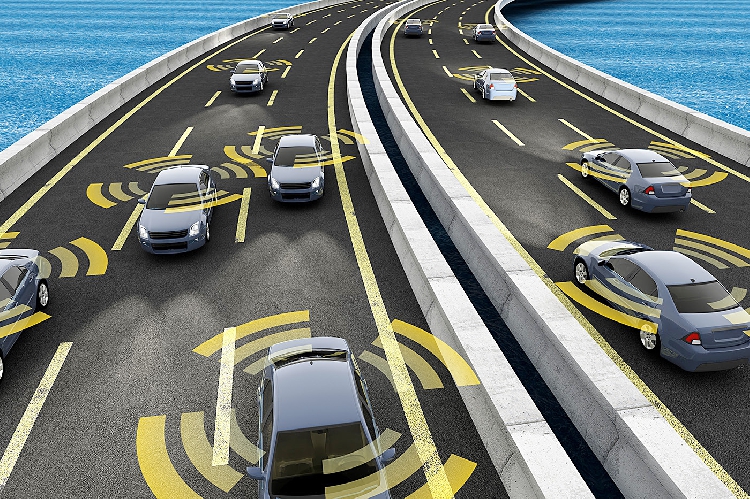
Radar is a key component not only in today’s computer-assisted cars, but also in the fully self-driving cars of the future. Although many experts predict that fully self-driving cars are still years away from going mainstream, small steps like this could help bring that future just a bit more within reach.
In an age of information overload, Sunrise is The Namibian’s morning briefing, delivered at 6h00 from Monday to Friday. It offers a curated rundown of the most important stories from the past 24 hours – occasionally with a light, witty touch. It’s an essential way to stay informed. Subscribe and join our newsletter community.

The Namibian uses AI tools to assist with improved quality, accuracy and efficiency, while maintaining editorial oversight and journalistic integrity.
Stay informed with The Namibian – your source for credible journalism. Get in-depth reporting and opinions for
only N$85 a month. Invest in journalism, invest in democracy –
Subscribe Now!