


Namibia is facing a crisis too often overlooked.
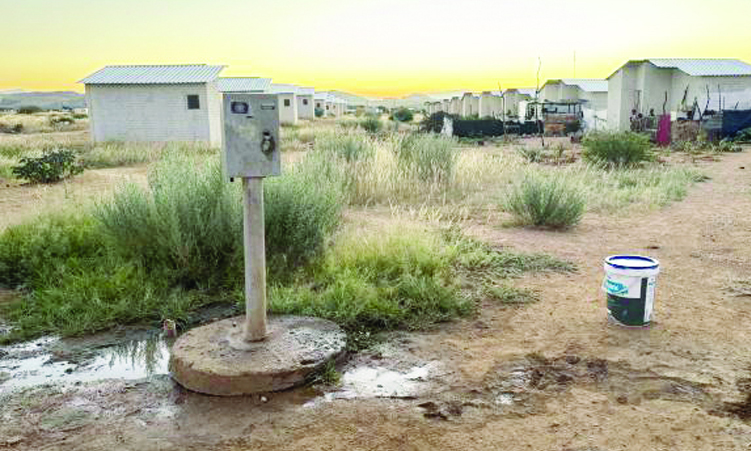
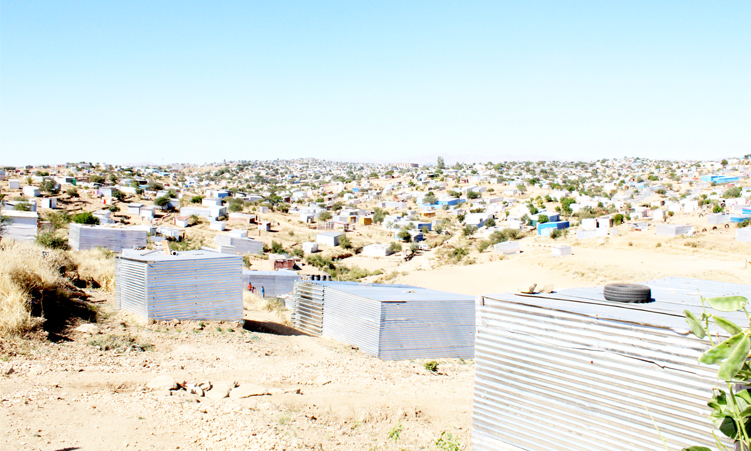
Poverty, unemployment and food insecurity have become entrenched features of daily life.
Nearly one in five Namibians live below the international poverty line, more than 1.6 million cannot afford a healthy diet, and almost half of the youth are jobless. These are not simply economic issues – they are seeds of instability.
Hunger and frustration leave citizens vulnerable to exploitation by crime syndicates and extremist groups.
At the same time, the country stands at a critical juncture. Oil and gas discoveries and green hydrogen projects promise to transform the economy. Yet prosperity means little if it does not reach those who need it most.
History shows that when resource wealth benefits only a few, inequality deepens, corruption spreads and unrest follows. Namibia must decide whether to break this cycle or repeat it.
The risks are already visible. The prosecution of Jona Hangula, accused of seeking to establish a separatist ‘state’ with extremist links, illustrates how disillusionment can be weaponised. Alleged assessments by the United States Africa Command warn that Namibia’s porous borders could expose it to transnational extremist movements. Whether or not these warnings prove accurate, one fact is clear: Poverty and exclusion make the country vulnerable.
Across Africa, similar patterns emerge. Boko Haram’s rise in Nigeria, Islamic State in Iraq and Syria (Isis)-linked groups in Mozambique’s Cabo Delgado, and extremist violence in the Sahel all thrived on poverty, unemployment and neglect. Namibia is not immune. If young people remain jobless, hungry and angry, some will inevitably turn to those who offer survival or purpose.
This is why socio-economic rights must be treated as more than aspirations. Article 95 of the Constitution frames them as principles of state policy, unenforceable in practice. This gap has allowed neglect to become normalised, leaving millions excluded. But to ignore basic needs is not just poor governance – it is a direct threat to national security.
The way forward is clear. Oil, gas and hydrogen wealth must be deliberately reinvested into schools, hospitals, housing and jobs. Socio-economic rights must shift from ideals to binding commitments. Only then will Namibia safeguard peace, democracy and sovereignty.
The choice is stark: Act decisively to strengthen resilience, or do nothing and risk instability.
The cost of neglect will not only be measured in lost opportunities – it will threaten the very fabric of the nation itself.
– Diana Sackaria
In an age of information overload, Sunrise is The Namibian’s morning briefing, delivered at 6h00 from Monday to Friday. It offers a curated rundown of the most important stories from the past 24 hours – occasionally with a light, witty touch. It’s an essential way to stay informed. Subscribe and join our newsletter community.

The Namibian uses AI tools to assist with improved quality, accuracy and efficiency, while maintaining editorial oversight and journalistic integrity.
Stay informed with The Namibian – your source for credible journalism. Get in-depth reporting and opinions for
only N$85 a month. Invest in journalism, invest in democracy –
Subscribe Now!