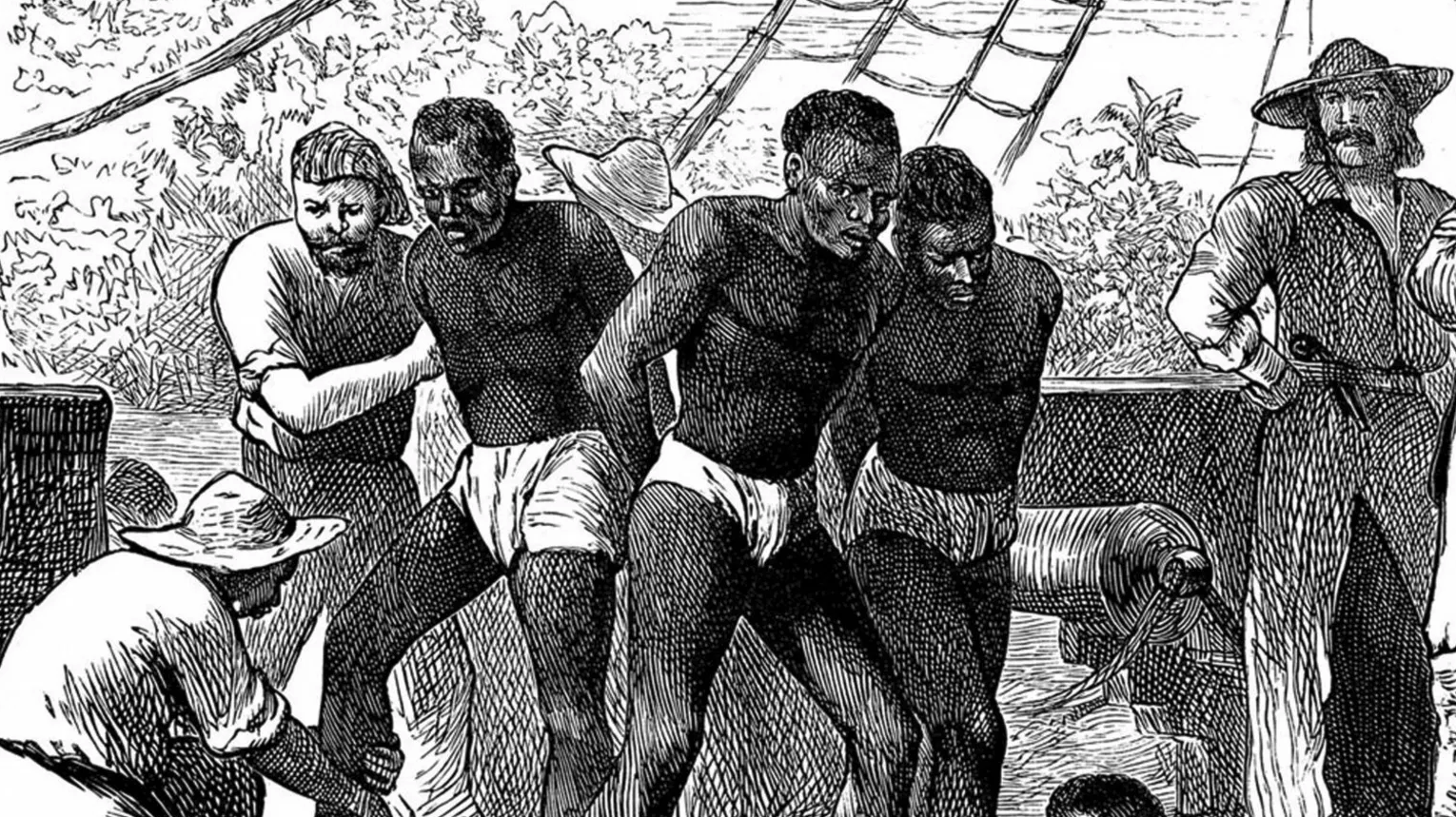





Before we blame slavery, apartheid, colonialism and neo-colonialism for the dire lack of jobs in Namibia, let’s look at what we have achieved over the last 35 years.
Namibia is ranked as a lower middle-income economy with a per capita gross domestic product (GDP) that is significantly above average for countries in sub-Saharan Africa.
However, that is misleading. Only one-quarter of all Namibians and a mere one-sixth of black Namibians have adequate incomes. Up to two-thirds live in abject poverty with limited access to public services.
Economic growth remains problematic because of a shrinking productive sector, a lack of capital stock, and severe market problems for base metals and uranium oxide globally.
Unemployment remains one of the country’s main challenges and is highest in the Kunene and Zambezi regions.
HARD TRUTHS
Let’s have an honest conversation. The question we need to ask is: Why can’t the economy provide jobs?
The conventional narrative is to blame unemployment on leadership failure, corruption, a waste of public resources, and economic mismanagement.
The crux of the matter, however, is that the critical shortage of jobs has something to do with the fundamental structure of our economy and the state of our education.
Our education system was designed to provide language and numerical skills and produce certain types of workers for existing jobs in the various sectors of the economy.
Despite the fundamental changes that have taken place in the economy, the education system has stagnated and has not responded or adapted to the new economic structure.
While Namibia has significantly managed to increase access to education by 98.6%, the quality of education remains a challenge.
This is aggravated by a high dropout rate and a worrying survival rate in primary, junior and secondary education.
Furthermore, a high percentage of pupils have to repeat grades at almost all levels. This discourages them and leads to them dropping out of school.
No wonder our education system churns out graduates equipped with skills and training for jobs that no longer exist in the economy.
Just check the last graduation ceremony you attended: Note what training the graduates obtained and relate it to the job market!
SKILLS MISMATCH
Our economy is now informal.
In fact, the number of workers in the formal sector has barely changed in the last 35 years, which has seen our population increase from 1.3 million to just over three million people.
Graduates from our universities, colleges and other tertiary institutions can work just about anywhere in the world except Namibia.
This is because the training and skills they acquired cannot be matched with the jobs, or lack of jobs, available here.
No pun intended, but little attention has been paid to innovation, entrepreneurship, and robust technical and vocational education sub-sectors that could create employers who can employ themselves and others.
In addition, sectors such as agriculture that have the potential to create millions of seasonal jobs are unattractive to young people who are the most affected by unemployment.
This is because they are waiting for the type of jobs they have been trained for.
TRADING BLOWS
With regard to the structure of our economy, the introduction of a free market and a liberal economic model at the behest of the country’s economic founding fathers helped to de-industrialise the economy.
It shut out the manufacturing and industrial sector in preference of cheap imports that helped grow the trading sector.
More recently, the government has placed our most valuable natural resources, the mines, in the hands of foreign entities for exploitation and foreign benefit.
Without deriving higher rent from natural resources – proven to be the best source of domestic revenue for a country – the scenario creates a cycle of poverty.
The resources benefit the few new owners, making them millions of dollars.
IT’S TIME TO ACT
It is time to face the monster!
Let us decolonise our education system. It creates and promotes people for white collar jobs that no longer exist and is not commensurate with the huge numbers of graduates churned out annually.
It equips students with basic English and maths skills but leaves them without jobs.
This needs to change. It is a system that downgrades the importance of blue collar and other jobs that exist or can be created in the market.
We need to foster a system that promotes innovation, entrepreneurship, and transformative technical and vocational education.
Let us also take back our natural resources in a model that delivers the most benefits to our people and allows us to chart the destiny of our country.
Other than an aggressive re-industrialisation programme, let us make our small and medium enterprises the focus of government policy and provide funds to support and nurture them.
This is the biggest sector, it will drive our economy, and it will be a reliable future employer.
- Josephat Sinvula holds a diploma in community development from Kitwe Urban Development College, Zambia; and a BSc and MPA from Virginia Commonwealth University and Atlanta University (both in the United States) respectively.
In an age of information overload, Sunrise is The Namibian’s morning briefing, delivered at 6h00 from Monday to Friday. It offers a curated rundown of the most important stories from the past 24 hours – occasionally with a light, witty touch. It’s an essential way to stay informed. Subscribe and join our newsletter community.

The Namibian uses AI tools to assist with improved quality, accuracy and efficiency, while maintaining editorial oversight and journalistic integrity.
Stay informed with The Namibian – your source for credible journalism. Get in-depth reporting and opinions for
only N$85 a month. Invest in journalism, invest in democracy –
Subscribe Now!