



HANKS SAISAIIN arid and semi-arid countries such as Namibia, where water is a scarce resource, it is always advisable for farmers to engage in water conserving practices.
The tillage or cultivation of land for crop or vegetable production often exposes the soil to the scorching sun which speeds up evaporation and depletes moisture.
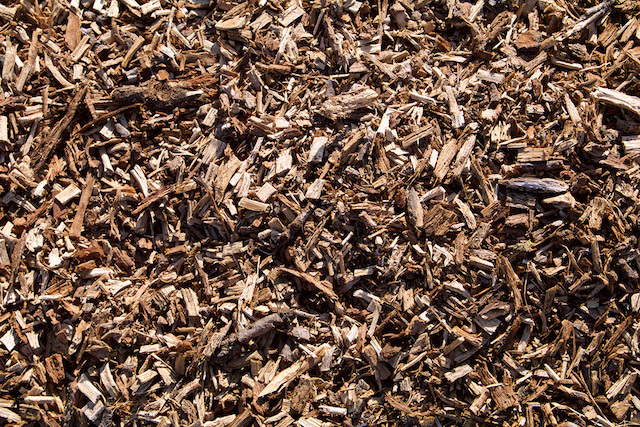
A common method that has been used to ensure water retention in fields or gardens is mulching. Simply defined, mulching is the practice of covering the surface of the soil (seedbed) between growing crops or vegetables with a layer of material.
Mulching has several benefits and it is an efficient way of promoting water retention in the soil after irrigation.
The most prominent benefit of mulching is that it slows down the amount of soil moisture that is lost during evaporation. On very hot sunny days, seedbeds or crop fields that have no cover on the surface of the soil between growing crops, tend to suffer water losses due to evaporation thus lowering the amount of soil moisture available to plant roots.
When mulching is correctly placed on the surface, evaporation is reduced thus minimising the damage that vegetables such as tomatoes, potatoes and root crops (carrots) may experience due to low soil moisture as they approach the maturity stages.
Moreover, mulching reduces the frequency of watering gardens or crop fields and in so doing reduces the cost of water that may be associated with growing crops.
Additionally, mulching has the ability to reduce soil compaction caused by watering, rain and trampling when working in the garden.
This improves water penetration in fields and gardens and reduces the chances of runoff, consequently preventing soil erosion.
Mulching of a thickness of about 5cm to 7,5cm helps to prevent the germination and emergence of annual weeds by limiting the penetration of sunlight that is needed to stimulate the germination of most seeds.
Furthermore, mulching insulates the soil to a considerable extent from extreme day and night temperatures ensuring an ideal environment for soil micro-organisms that are vital in decomposing dead plant and animal materials to provide nutrients to the roots of crops and vegetables.
When compost or manure is used as a mulch, it can provide a steady supply of nutrients to the roots.
Finally, mulching helps to reduce the greening effect of roots and tubers due to protection from prolonged exposure to sunlight.
If you are farming in areas with low water supply or scorching day temperatures that limit your ability to successfully grow vegetables, it is recommended that you consider introducing mulching as a prudent way to conserve soil moisture.
Grass straws, palm leaves and even black polythene plastic can be used as mulching materials.
In an age of information overload, Sunrise is The Namibian’s morning briefing, delivered at 6h00 from Monday to Friday. It offers a curated rundown of the most important stories from the past 24 hours – occasionally with a light, witty touch. It’s an essential way to stay informed. Subscribe and join our newsletter community.

The Namibian uses AI tools to assist with improved quality, accuracy and efficiency, while maintaining editorial oversight and journalistic integrity.
Stay informed with The Namibian – your source for credible journalism. Get in-depth reporting and opinions for
only N$85 a month. Invest in journalism, invest in democracy –
Subscribe Now!