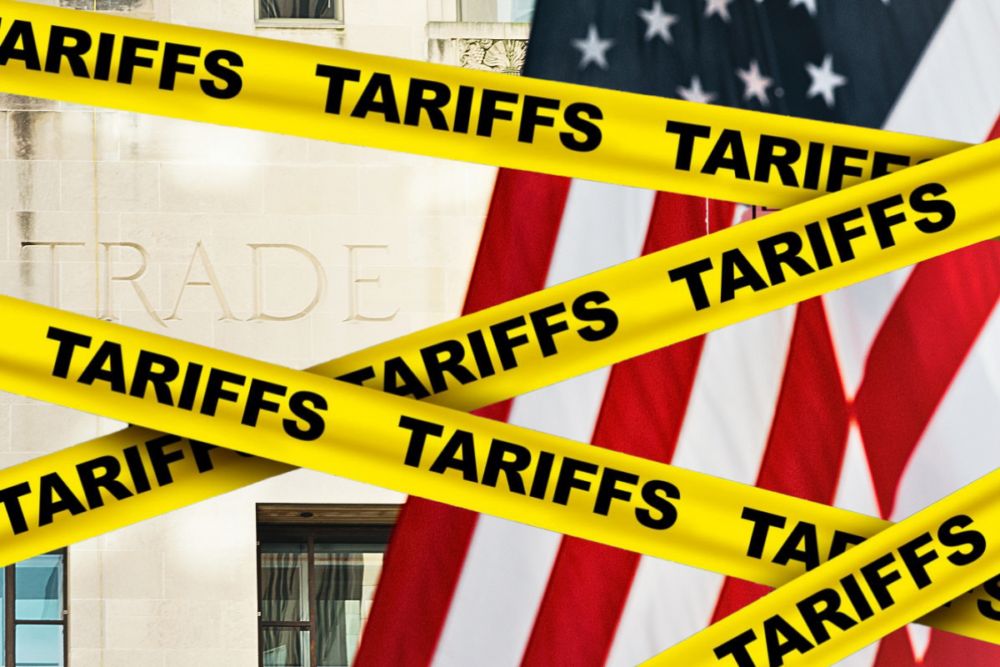
The new 15% tariff on Namibian exports to the United States (US) and 30% on South African goods will reduce US dollar flows through the Swift system, raising risks of tighter liquidity and costlier settlements for Namibia.
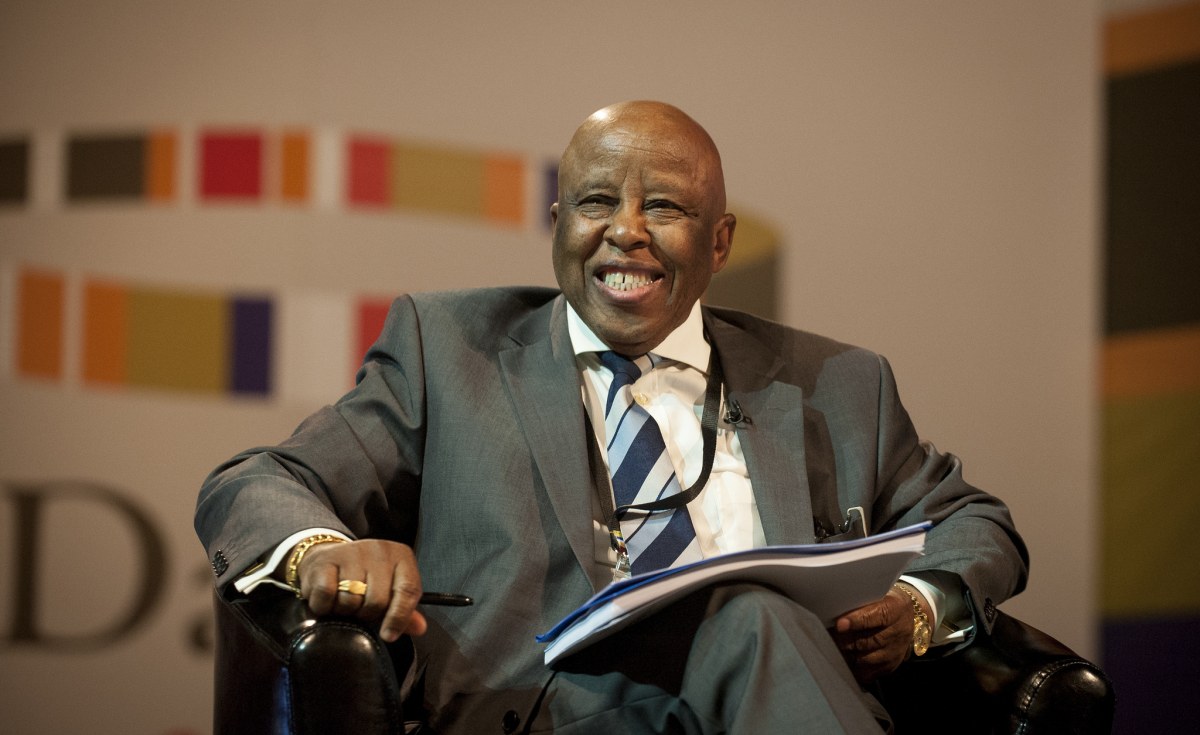
Simonis Storm junior economist Almandro Jansen on Friday said the measures would disrupt both trade and financial channels.
“Tariffs are more than just a commercial barrier they are a trigger for structural change in both trade patterns and financial flows. For Namibia, this means fewer US-dollar transactions through Swift, tighter liquidity, and higher settlement costs in the near term,” he said.
Swift underpins almost every Namibian export settlement, routing payments through correspondent banks in South Africa or Europe.
Jansen said reduced dollar inflows would mean fewer Swift instructions involving American counterparties, slowing transactions and increasing reliance on intermediaries.
“While the US is not Namibia’s largest customer, its strategic importance lies in the currency dimension. The US dollar remains the dominant trade settlement currency worldwide, and any reduction in dollar inflows can make payment cycles more complex and costly for a small, open economy like Namibia,” Jansen said.
He warned that Namibia’s dependence on South African banks increased its exposure.
“Namibia relies heavily on South African banks for US-dollar clearing, since most Namibian banks do not hold direct correspondent accounts in New York. If those inflows weaken, Namibia will feel the consequences more sharply through its dependence on South Africa’s financial system,” he said.
Jansen said Namibian banks clearing through Johannesburg would face weaker liquidity and higher transaction costs, straining international settlements.
He added that the tariffs would force structural change.
“Over time, these tariffs will accelerate the building of new corridors with Europe, Asia, and Africa. This reduces dependency on South Africa and aligns with emerging multipolar financial systems, though it also introduces short-term complexity and higher operational costs,” he said.
According to Jansen, fewer US dollars in the regional market could also pressure Namibia’s currency peg to the rand, prompting a shift towards more settlements in euros, pounds or yuan.
“Whether this disruption proves to be a setback or a turning point will depend on how quickly Namibia adapts its trade strategy, financial infrastructure, and currency management to a shifting global environment,” he said
In an age of information overload, Sunrise is The Namibian’s morning briefing, delivered at 6h00 from Monday to Friday. It offers a curated rundown of the most important stories from the past 24 hours – occasionally with a light, witty touch. It’s an essential way to stay informed. Subscribe and join our newsletter community.

The Namibian uses AI tools to assist with improved quality, accuracy and efficiency, while maintaining editorial oversight and journalistic integrity.
Stay informed with The Namibian – your source for credible journalism. Get in-depth reporting and opinions for
only N$85 a month. Invest in journalism, invest in democracy –
Subscribe Now!