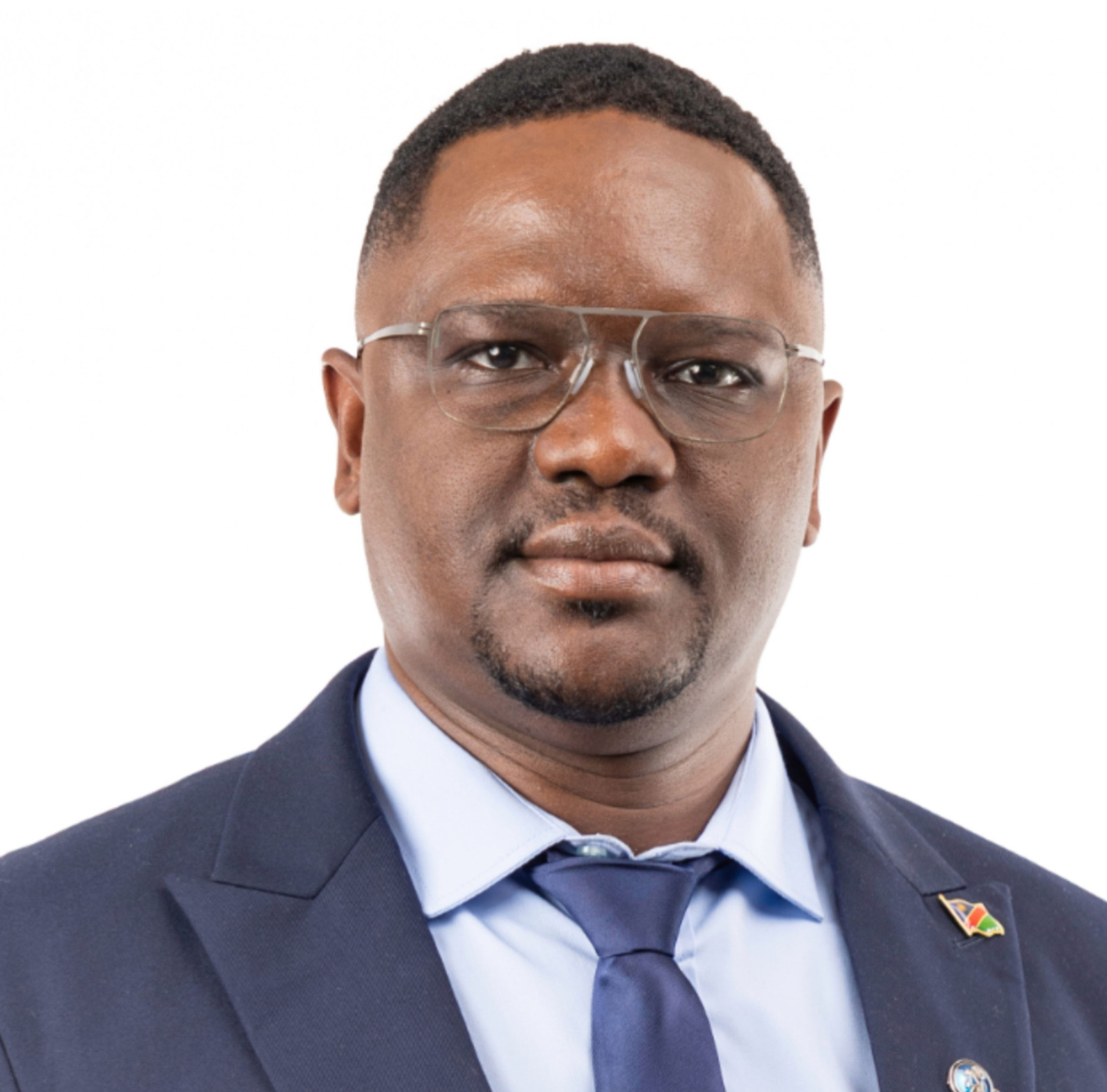







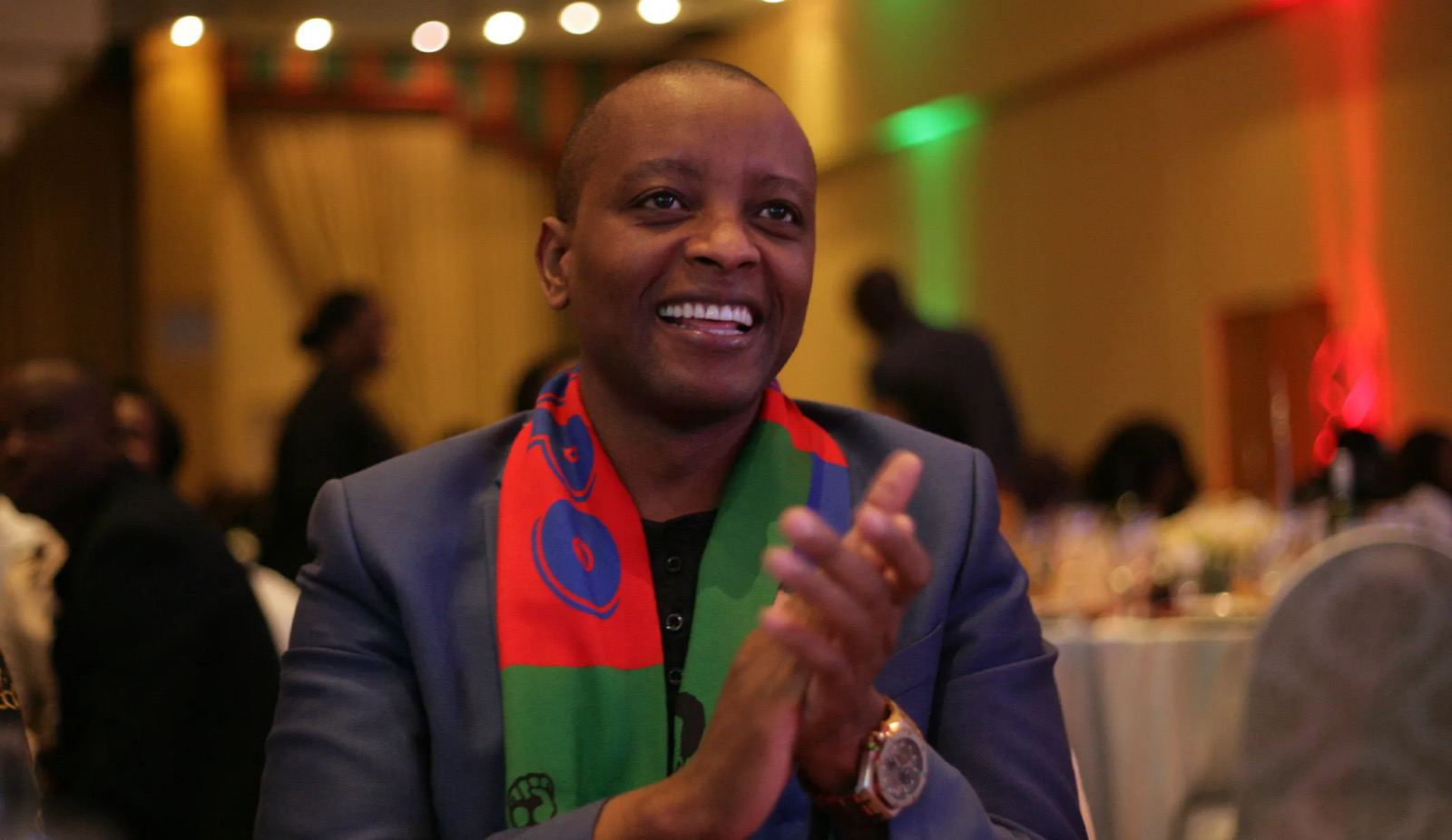
Swapo lawmaker Tobie Aupindi has issued a scathing critique of Namibia’s current economic model, calling for a fundamental shift in how the country manages its natural resources and foreign investments.
Speaking in the National Assembly this week, Aupindi said: “We must understand, without contradiction, that freedom and independence are intertwined with the economic ownership of the Namibian people.
“The aim was independence from colonial subjugation and economic oppression.”
While acknowledging that the country adopted a mixed economy post-independence, Aupindi warned that the current trajectory has drifted too far to the right, leaving many Namibians behind.
Quoting president Netumbo Nandi-Ndaitwah, he said: “We are too few to be poor.”
This must be seen as a serious call to action, he said.
Aupindi criticised the government’s limited stakes in major mining operations.
“The government has a 6.2% stake in Navachab Mine through Epangelo Mining. The rest is owned by a Polish conglomerate. And that 6.2% is not even carried; it was purchased,” he said.
Aupindi described a similar scenario with Husab uranium mine, one of the world’s largest, in which Namibia holds a mere 10% share.
“The rest, 90%, is owned by a Chinese corporation, and again, that stake was bought using a US$124 million loan advanced by the same Chinese investor. Who are these people negotiating these deals? This is voodoo economics,” Aupindi said.
He warned that strategic sectors such as mining, land, energy, and finance remain “exploited for the benefit of an exclusive few and their foreign collaborators”.
As Namibia prepares to enter the production phase of its emerging petroleum industry, Aupindi questioned the country’s readiness to manage the expected output and ensure long-term national benefit.
“Are we ready to process and add value locally? Do we have the infrastructure to handle one million barrels a week? And if not, how do we avoid being merely a transit economy?” he asked.
He called for what he termed “intentional and consequential change” to reposition Namibia’s market economy in a way that benefits all citizens, especially the youth.
“We don’t own the market economy. It’s owned by foreigners and their collaborators. What we need is a relentless alternative that offers opportunities to the ordinary Namibian,” he said.