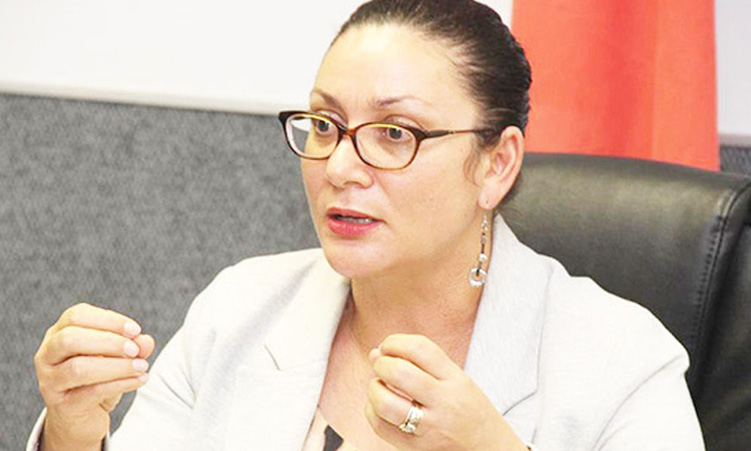
PHAKAMILE KHUMALOTHREE QUESTIONS came to mind when I heard the devastating news that Lufuno Mavhunga from Limpopo (South Africa) had taken her life because, seemingly, she had been severely and repeatedly bullied, assaulted and humiliated at school.
Do schools and teachers have adequate resources and skills to deal with bullying and the complex layer that social media has added to this form of violence?
What was going through the mind of the pupil taking the video of Lufuno being assaulted? Do we and the public understand the impact of resharing this video on social media, especially for Lufuno, her family and the child perpetrator?
As a parent, I want to start by addressing the issue of readiness of schools to deal with issues like bullying given the complex nature surrounding Lufuno’s assault. It would be negligent of the school to deal with this incident as a normal bullying case. The taking and sharing of the assault video dramatically alters the situation and presents a wider issue around the use and monitoring of cellphones in schools and the policies that guard and regulate this usage.
This terrible incident, like many others, highlights the urgent need for schools to create a social media/internet policy that includes an intentional and aggressive strategy to deal effectively with incidents like this. At the same time it is equally critical that pupils provide input and feedback on the policy so they feel that whichever approach taken hears their voices and gives their issues the urgent attention they rightfully deserve.
Without diminishing the issue of bullying, the lack of active digital citizenship among our pupils needs equally urgent attention in our schools.
In almost all the videos brought to our attention involving violent assault or abuse by pupils, it seems few pupils try to stop the perpetrator. Instead, taking a video appears to be the priority. This video is then shared on social media, thus not only retraumatising those directly involved, but ensuring the invasion of privacy and humiliation is disseminated on a global platform. It impacts all involved and serves to desensitise and dehumanise.
WAKE-UP CALL
In my experience working with children, I find overwhelmingly that pupils have not been taught about how to effectively and responsibly use social media in a way that promotes or highlights who they are, or what their dreams and aspirations are. Instead they have been taught to believe that these kinds of violent videos are the ones that “break the internet”, and so they should be shared widely and without consideration for those involved, including themselves.
For so many of our young people, the idea of meeting new people and connecting with them across the globe as well as instantly sharing videos, pictures and information is something that continues to thrill. However, without essential critical digital literacy skills, the internet/social media can be a very dangerous place that has the potential to cause great harm.
On the issue of resharing content online, while it is definitely in the public interest for South Africans to know about the incident, the question becomes: Is it in the best interest of the pupils to have their faces splashed all over social media? Given the nature of the incident, identifying the children could lead to potential harm, including secondary emotional trauma and potential victimisation.
In addition to the trauma, the potential harm is particularly acute for the child perpetrator, the victim and the witnesses where, if a criminal case is opened, it may also be a legal violation of the Criminal Procedure Act).
Many factors led to the tragic passing of Lufuno, and it is essential that we don’t just grieve, that we move beyond the horror and trauma. In addition to the essential steps that need to be taken around suicide prevention, Lufuno’s death must also act as a wake-up call for parents and schools to work together to teach pupils that their actions online have real-life consequences in the offline world – like Lufuno feeling cornered by the widespread video of her taken at her most vulnerable.
Critical media and digital literacy skills aren’t just a nice to have – Lufuno’s passing shows they can be a matter of life and death.
– dailymaverick.co.za
* Phakamile Khumalo is public and media skills development manager at Media Monitoring Africa. To follow Phakamile’s work on child online safety, visit www.webrangers.co.za
In an age of information overload, Sunrise is The Namibian’s morning briefing, delivered at 6h00 from Monday to Friday. It offers a curated rundown of the most important stories from the past 24 hours – occasionally with a light, witty touch. It’s an essential way to stay informed. Subscribe and join our newsletter community.

The Namibian uses AI tools to assist with improved quality, accuracy and efficiency, while maintaining editorial oversight and journalistic integrity.
Stay informed with The Namibian – your source for credible journalism. Get in-depth reporting and opinions for
only N$85 a month. Invest in journalism, invest in democracy –
Subscribe Now!