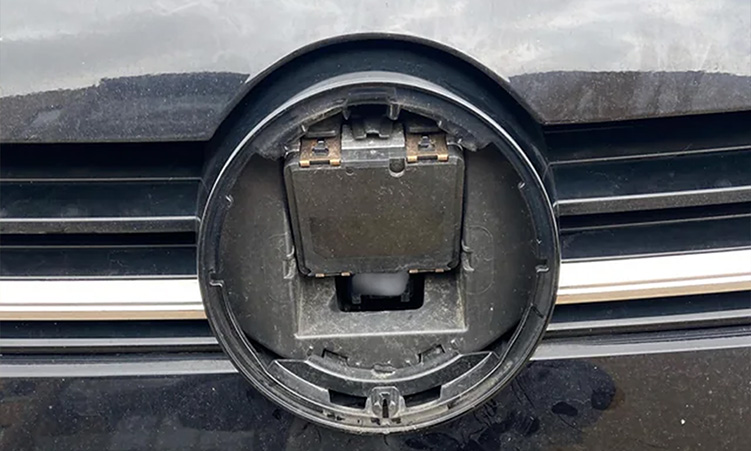
In Namibia, a peculiar market has emerged. Volkswagen car owners have been reporting a steady disappearance of their iconic VW badge – not once, but repeatedly.
These badges are often snatched cleanly from the front grills of parked cars, but they are not stolen for fun, they are resold.
Often, for those who have fallen victim, this creates a cycle of theft and resale, revealing a deeper truth about how markets can be built on everyday struggles, how people find ways to make money from what is missing, and how scarcity isn’t always natural but sometimes created on purpose.
At its core, this is a system of value creation through dispossession.
The theft creates a gap: a missing badge spoils the identity of the car.
This, in turn, creates a demand. Enter the same actors who now provide the solution – a replacement badge, strategically priced below the dealership price.
This is a self-sustaining informal economy thriving on the flow of need and supply, coordinated outside the bounds of legality and justice, all within the scope of economic logic.
It’s easy to reject this as a mere opportunistic crime. But such ignorance would overlook the structural realities in which this micro-economy has emerged, that of high youth unemployment, inequality, limited job opportunities, and the normalisation of hustle culture.
It begins when scarcity is deliberately introduced – the intentional removal of the badges – which then sparks a demand because people prefer to drive their cars with the sign they paid for.
And soon enough, someone offers a solution, often the same people that created the problem, selling the very thing that was taken, but now for some money – all unfolding outside the formal system, with no official oversight, no state intervention and very limited protection through usual channels. All informal, yet functioning like a well-oiled machine.
In a way, it’s a micro scale version of what often happens in the global economy all the time.
For instance, tech companies make apps intentionally addictive, and then sell you the option to limit your screen time, or pharmaceutical giants that delay access to cures just to keep the profit rolling in.
It is the same logic: create or intensify the problem, then sell the solution.
This isn’t about finding a loophole to take advantage of, but the preoccupation with profit, the engineering of scarcity and the sidelining of public systems, normalised to a point that it plays out in everyday survival.
The VW badge is not just a piece of metal, it’s a symbol of status, identity and belonging in a world shaped by consumerism.
Even though the buyer suspects that the badge was stolen, they still purchase it because the symbol matters.
A car without its emblem feels incomplete, and so the cycle continues, a strange blend of aspiration and systemic economic inequality playing out in this small but telling transaction.
This hyperlocal example reminds us that markets don’t just emerge, they are often constructed through unmet needs and manufactured problems, not just supply and demand.
The patterns of profit making found in global economies show up even at informal street level economies.
And symbols like a car badge remind us that pride, visibility and dignity are never divorced from economic realities.
As Namibia and the broader African continent aims for a just and inclusive future, these everyday moments offer powerful insight into how people adapt, resist, and navigate systems that often exclude them, and how a stolen badge can speak volumes about the world we live in.
- Sheldon Subeb is an master of philosophy in inclusive innovation candidate, with research focused on understanding the complex dynamics of economic systems, sustainability, and community transformation
In an age of information overload, Sunrise is The Namibian’s morning briefing, delivered at 6h00 from Monday to Friday. It offers a curated rundown of the most important stories from the past 24 hours – occasionally with a light, witty touch. It’s an essential way to stay informed. Subscribe and join our newsletter community.

The Namibian uses AI tools to assist with improved quality, accuracy and efficiency, while maintaining editorial oversight and journalistic integrity.
Stay informed with The Namibian – your source for credible journalism. Get in-depth reporting and opinions for
only N$85 a month. Invest in journalism, invest in democracy –
Subscribe Now!