



The Ministry of Information and Communication Technology has formally recognised digital content creation as a key driver for youth empowerment and job creation.
This signals a shift in how the industry is valued in Namibia.
While social media monetisation has often been viewed as a contested issue, information minister Emma Theofelus affirms that the sector has evolved into a legitimate economic tool.
“Being a responsible influencer can be taken seriously as a job because it converts user engagement into tangible income,” Theofelus says, adding that the industry enables businesses to reach targeted audiences more effectively.
Despite this validation, local revenue paths remain complex. Unlike markets where platform views pay directly, Namibian creators must rely on brand partnerships, paid promotions and advertising collaborations.
As brands, creators and policymakers navigate this space, the focus is shifting from visibility to building sustainable income.
However, pricing remains a major hurdle. Lacking industry benchmarks, many creators struggle to balance their rates, often losing opportunities to underpricing or overpricing.
SanlamAllianz spokesperson Wendy Naruses says social media monetisation has matured beyond surface-level promotion.
“Influencers are no longer just people posting content. Many have built strong, loyal communities, and that level of trust is something brands cannot ignore,” she says.
For financial institutions, however, influencer partnerships require a careful and intentional approach. Naruses highlights that credibility, alignment and responsibility matter more than follower numbers alone.
“Financial decisions impact people’s lives in a very real way, so the messaging has to be accurate, responsible and compliant,” she says.
According to Naruses, successful collaborations are built on clarity from the start, including clear expectations, transparent deliverables and shared values. She notes that micro and nano influencers often achieve stronger engagement due to the trust they have with their audiences.
“When influencer marketing moves beyond promotion and becomes about education and empowerment, that is when it truly delivers impact,” she adds.
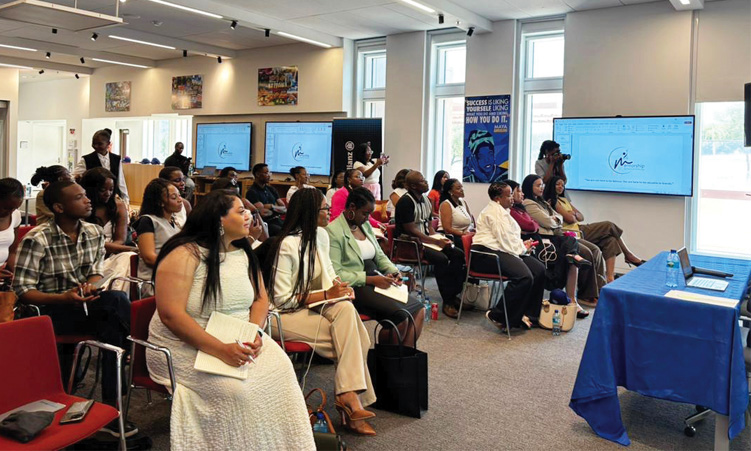
The importance of education and sustainability in the creative economy was recently highlighted at a masterclass hosted by Pombili Shilongo under the theme ‘Building Sustainable Wealth’.
The session was held in collaboration with SanlamAllianz and the United States embassy, and brought together 40 participants selected from over 200 applications, reflecting a growing appetite for financial literacy and long-term planning within the creative sector.
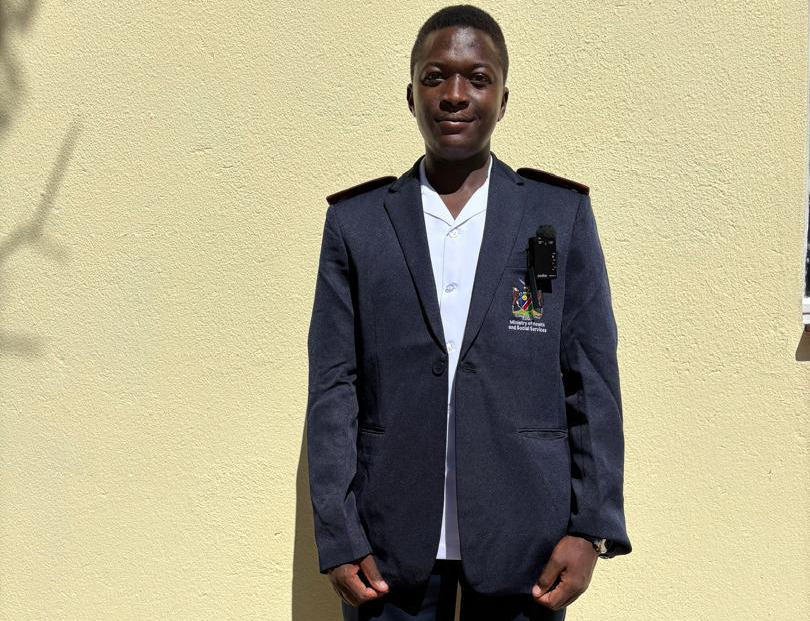
Content creator and digital advocate Thomas Amakali, known as Tatematondo, believes preparation is key. He urges creators to develop rate cards based on proper market research and an understanding of the services they offer.
“It is very important to know how much you are worth, not only to brands but also as an individual,” Amakali says.
In an age of information overload, Sunrise is The Namibian’s morning briefing, delivered at 6h00 from Monday to Friday. It offers a curated rundown of the most important stories from the past 24 hours – occasionally with a light, witty touch. It’s an essential way to stay informed. Subscribe and join our newsletter community.

The Namibian uses AI tools to assist with improved quality, accuracy and efficiency, while maintaining editorial oversight and journalistic integrity.
Stay informed with The Namibian – your source for credible journalism. Get in-depth reporting and opinions for
only N$85 a month. Invest in journalism, invest in democracy –
Subscribe Now!