


Defamation is defined as “the unlawful and intentional publication of matter concerning another which damages that person and his reputation” and is a crime in Namibia.
Some days, I start to think that Facebook was one of the worst things that was ever introduced to the internet. Why? It seems people get so wrapped up in its use and then carry out attacks, bullying and defamation on all kinds of people. It’s amazing just what people will do when they get on Facebook, and out of all the requests for help we get, I would say Facebook receives a disproportionate share in terms of volume. I don’t believe it’s because so many people are on Facebook, it’s just that people like this platform to really start bashing others.
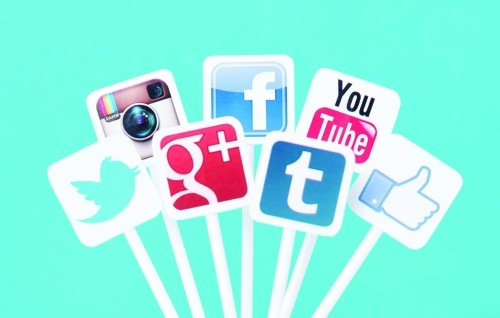
Defamation on Facebook and Twitter is becoming more and more common every single day among the youth because it’s so easy to post a comment or an item onto your Facebook wall or onto your Twitter account. And because emotions run high sometimes, that spontaneous compulsion in you to say something really mean about someone else or to make something up about someone else can be very real, and it can result in big legal problems under defamation of character law.
Writing something on Twitter or Facebook that is defamatory to someone is classified as libel defamation. Libel on the internet is when someone actually writes something that is classified as defamatory under defamation law. With the spread of social media, instances of defamation have become more common, be they either intentional or accidental. Many youth are unaware how easy it is defame someone via Twitter or Facebook, so care needs to be taken when writing about other people on social media.
The law of defamation exists in order to protect the reputation of a person but also to support a person’s capacity for free speech so a balance needs to be struck between these two competing rights. This is a balance the courts have constantly recognised; a judicial exercise they consistently utilise. If a situation arises in which you are accused of publishing defamatory material, a defamation suit may follow if you do not retract the statement in question, and you may be sued.
As a responsible Namibian youth, to avoid being accused of publishing defamatory material, you should consider the following precautions: Consider anything you write on a social media profile the same as if you were publishing it in a newspaper. Do not say anything that you believe to be untrue. Do not repeat anything that you cannot verify as true. Do not share or retweet any details that you believe could be considered defamatory. In conclusion, before you post information about other people, think about how this could be perceived and whether the information could harm their reputation.
In an age of information overload, Sunrise is The Namibian’s morning briefing, delivered at 6h00 from Monday to Friday. It offers a curated rundown of the most important stories from the past 24 hours – occasionally with a light, witty touch. It’s an essential way to stay informed. Subscribe and join our newsletter community.

The Namibian uses AI tools to assist with improved quality, accuracy and efficiency, while maintaining editorial oversight and journalistic integrity.
Stay informed with The Namibian – your source for credible journalism. Get in-depth reporting and opinions for
only N$85 a month. Invest in journalism, invest in democracy –
Subscribe Now!