




KAPADHI /UIRAS AND DAVID HUTE /UIRABTHERE are few things as terrifying as being bitten by a snake! It is said that even before the venom takes effect, many snake bite victims become nauseous (or even vomit), get diarrhoea and faint.
All this from fear alone!
As can be expected, most snakes bite on the arms and the legs. The venom is stored in glands just below and behind the eyes. When a snake bites, the venom is discharged from hollow fangs (teeth) onto the upper jaw.
The final outcome of a snake bite will depend on the type of snake, whether a person was bitten on the foot or on the face, as well as on the general health condition of the victim.
Child victims have a worse outcome, because of the small size of their bodies.
In our part of the world, there are three main groups of poisonous snakes: Those that cause nerve paralysis (mambas and some cobras), those that cause extensive local tissue destruction and pain (the puff adder); and those that cause uncontrolled bleeding (the boomslang). There are, of course, overlaps where one snake can cause all of these.
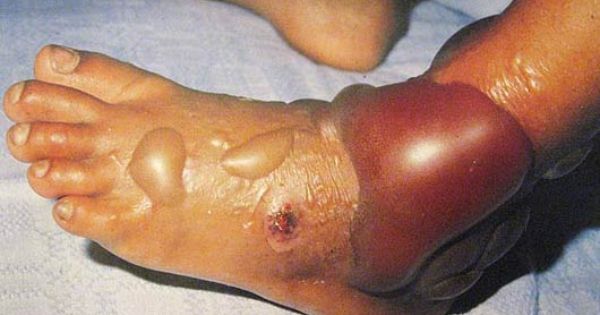
A mamba bite causes progressive paralysis and eventually death. This can happen within one to eight hours after the bite. A puff adder bite causes marked local pain, progressive swelling and prominent skin changes, including blister formation and tissue destruction.
The boomslang interferes with the clotting process, in addition to other symptoms. These are but a few examples of the many different poisonous snakes in Namibia.
First Aid
The first thing is to protect the victim and others from further bites. Remove the person from the immediate vicinity if the snake is in a confined environment and hasn’t fled visibly. Keep the person as calm as possible. The fear reaction itself helps to spread the venom faster.Call for help/arrange transport to the nearest hospital. These days when everybody has a cellphone should make it easier.Remove all constricting wear on the affected limb before swelling starts, like rings, tight clothing, bracelets, shoes, etc. Keep the affected limb still. In fact, the victim as a whole should be kept as still as possible. This helps slow down the spread of the venom.If it is known that the person was bitten by a mamba or cobra, a crepe bandage over the bite area and above it will help slow down the spread of the poison. This should NOT be done in case of a puff adder bite. It worsens the damage caused to the tissues.
Apply a tourniquet. This has not been proven to help and cuts off blood supply to the limb, resulting in many amputations.
Incise the bite area to “suck out the poison “. It has been shown that it is useless to remove poison, which increases the damage.
Give the person anything to eat or drink.
Try to avoid places that snakes might inhabit, like dark cabins, open/hollow wood locks, etc. In the case of direct, close encounters, it is best to remain silent and motionless. If the snake doesn’t flee, retreat slowly and cautiously. (That is, of course, if your nerves can carry you – most of us will probably just run! And get bitten!)Avoid snakes that appear to be dead. Snakes are known for pretending to be dead and have bitten many unsuspecting/curious people.A recently detached snake head can still reflexively bite a person! Beware.When out in the field, wear long and hard clothing, like boots and denim.
Once you have been brought to the hospital, trained staff will take over. It helps if the victim is brought as quickly as possible to the hospital. And it would be great if those who are bringing the victim could call ahead to the hospital and forewarn the medical staff to prepare. If the snake has been killed, bring it along. It will also help if a description of the snake can be given.
Treatment includes the use of anti venom administration and general support measures, and largely depends on the type of snake bite.
In an age of information overload, Sunrise is The Namibian’s morning briefing, delivered at 6h00 from Monday to Friday. It offers a curated rundown of the most important stories from the past 24 hours – occasionally with a light, witty touch. It’s an essential way to stay informed. Subscribe and join our newsletter community.

The Namibian uses AI tools to assist with improved quality, accuracy and efficiency, while maintaining editorial oversight and journalistic integrity.
Stay informed with The Namibian – your source for credible journalism. Get in-depth reporting and opinions for
only N$85 a month. Invest in journalism, invest in democracy –
Subscribe Now!