If #xenophobia and #bringbackourgirls means something to you, chances are you are in on one of the latest social media trends of engaging in and commenting on important social matters that happen around the world.
This could involve liking, sharing or even using hashtags to voice your opinions, bring about awareness or show your support for various causes.
For some activists and advocacy groups, what you are doing is meaningful but for the more hardcore activists out there, what you’re doing is simply slacking, or to be more precise, slactivism.
Slacktivists, keyboard warriors and in some cases also known as ‘clickivists’ are the titles cast on those who engage in online forms of activism through social networking platforms.
While it may feel like we are part of some larger cause, this type of activism often doesn’t actually produce any meaningful engagement on the ground.
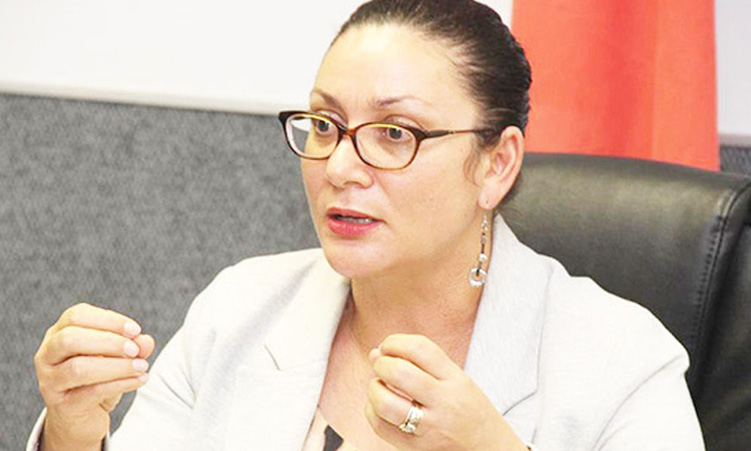
Opinions vary on the effectiveness of slactivism. Media Institute in Southern Africa (MISA) Namibia director and activist herself Natasha Tibinyane believes that slacktivists are important.
“Social media has amazing power with regard to mobilising citizens and raising awareness on issues that matter,” Tibinyane said.
Social media has increased the activist’s audience. It is not limited. Unlike previously, she recalls, when you would simply have a target group you would share information with via their website or newsletters, today, the digital age has provided low cost social networking platforms that improve an activist’s reach.
Engaging with posts on social media could benefit communities by raising awareness on a number of pertinent issues.
Today, some people rely on social media platforms such as Twitter as a place to find out more about current events. They also see it as a place where they can add to the discussion no matter how they choose to do so. Chances are this could lead to drawing the attention of public officials when they notice how people respond to issues on social media such as with #JeSuisCharlie.
Besides showing your support as a slacktivist, it is easier to elicit support from friends to invest more time in a topic that could encourage them to make active decisions such as donating or participating in protests and signing petitions.
Slacktivism starts a chain reaction that encourages others to participate.
“Regardless of how questionable or practical your movement’s demands are, when numbers swell on social media under a commonly held banner of ‘fighting injustice’, participants feel like more than half the legwork in enacting change is in their online post,” says Cyril Makwembere, an active Facebook user.
He believes that if online activism carries enough weight, it’s possible that “the system is likely to bend and give you credence”.
Tibinyane says “the power of the internet lies in the fact that your message can reach a critical mass instantly, the challenge lies in amplifying that reach”.
For marketers, slacktivism has its benefits. When you simply retweet or share a post, you potentially extend the reach of your post, according to an article written by Marcella Vitulli entitled ‘Does Slacktivism Actually Work?’
The nature of social media is that everyone involved is talking and updating their posts about different topics. So it is important to try and capture the attention of your audience because it is easy to post an update where you declare your support for a cause but equally as easy to be side-tracked by other posts on your timeline.
This was experienced with the Amyotrophic Lateral Sclerosis (ALS) Ice Bucket challenge. When celebrities took part in this challenge, it raised somewhat of an interest about this disease. However, the shock value from ducking a bucket of ice filled water overwhelmed and overshadowed the social awareness campaign. People nominated their friends and challenged them to this, but forgot the cause behind it.
Something that is a challenge to many people is actually finding out how they can become more involved in awareness campaigns apart from using social media. Tibinyane suggests finding out who the initiator(s) of a campaign are and asking them how you, as the audience, can become more involved in the campaign. She points to a local project ‘My Constitution, My Decision’ campaign where individuals signed up to raise awareness in their neighbourhoods.
In Vitulli’s article, she suggests that it is important to find out what is holding ‘slackers’ back from converting into actors for your campaigns.
On Facebook, Stephen Musengi said slacktivists should always be reminded that these issues happen “on the ground and not online”. In the wake of the recent xenophobic attacks in South Africa, he says “if you can do something in real life to help shape people’s attitudes away from Hitler-like sentiments, then that is activism”.
His post echoes a slight sense of disappointment and a feeling of dissatisfaction because he does not necessarily feel that using social media is enough.
“We can do more.”
For Musengi, his music is his outlet. “We can all find something in tune with our interest to fuel activism.”
She noticed there is an overwhelming coverage of Western problems online in comparison to African ones. “Western issues get more traction online that translates into more work practically, even from public officials, but African problems are merely a trending topic, rarely do our leaders take much notice.”
She does recognise that simply using hashtags started by interest groups does not have a far reach but it could reach someone who is doing, or will actually do something about it.
In an age of information overload, Sunrise is The Namibian’s morning briefing, delivered at 6h00 from Monday to Friday. It offers a curated rundown of the most important stories from the past 24 hours – occasionally with a light, witty touch. It’s an essential way to stay informed. Subscribe and join our newsletter community.

The Namibian uses AI tools to assist with improved quality, accuracy and efficiency, while maintaining editorial oversight and journalistic integrity.
Stay informed with The Namibian – your source for credible journalism. Get in-depth reporting and opinions for
only N$85 a month. Invest in journalism, invest in democracy –
Subscribe Now!