



• RICHARD GRAYTHEY may not sound particularly appetising, but the slimy leaves of jute plants, African nightshade and the spider plant may be about to become the latest trendy superfoods.
Researchers have found these plants, which are eaten as traditional foods in parts of Africa, are perhaps some of the most nutritious vegetables on the planet.
They claim jute mallow, amaranth leaves, spider plant and African nightshade contain more protein and iron than kale, which has become popular for its reputation as a superfood.
The vegetables are also rich in calcium, folate and vitamins including A, C and E according to some work.
Where grains such as quinoa and spelt have proved popular, nutritionists are now looking at some other ancient alternatives.
One of the most promising is fonio, which could soon be making its way to supermarket shelves. According to National Geographic, the edible seeds of some of these crops could be the ‘next quinoa’.
Fonio for example, Africa’s oldest cereal, is rich in amino acids and is said to be the most nutritious of all Earth’s grains.
Its low sugar content also makes it ideal for people with diabetes.
Professor Mary Abukutsa-Onyango, a horticultural researcher who has been leading the work on the crops at Jomo Kenyatta University of Agriculture and Technology in Juja, Kenya, describes them as ‘wonder plants’.
She says many of the plants are not widely available as people overlook the plants as being strange or often mistaking them as weeds.
“Many of these vegetables and fruits indigenous to Africa are not being exploited. All the indigenous vegetables are loaded with antioxidants, which clean your system and make you less predisposed to life style diseases.”
Professor Abukutsa-Onyango also claims some vegetables can have other health benefits.
She said the fruit extract from bitter gourd, for example, has been shown to improve insulin treatment in diabetics by increasing the uptake of glucose by cells.
The leaves of jute plant turn slimy when cooked but have been found to be high in iron, protein, folate and vitamin A. Scientists believe vegetables like these are underused but could become the new superfoods.
Her research has shown that eating 137g of jute marrow can provide the recommended daily allowance of iron – 20 times less than the amount of cabbage that would needed to be consumed and a quarter the amount of spinach.
Similarly she has shown the leaves from the jute plant, known as jute mallow, can provide nearly twice as much provitamin A compared to spinach while it contains twice as much folate as cabbage.
But jute marrow turns slimy when cooked, much like okra and may be why it has remained unpopular until now.
Spider plant has a sour taste and grows wild in East Africa, but 100g of the leaves can provide nearly the entire daily recommended allowance of iron and half the RDA of protein.
Unlike the toxic varieties that grow in some parts of the world, African nightshade, known as Solanum scabrum, is regularly used as a leafy vegetable or herb.
The deep green leaves can provide more than the entire daily needs of iron in 100g and cooking the leaves even increases the amount of iron available to the body.
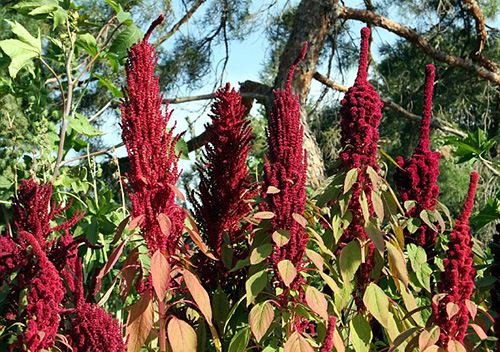
Certain species of vegetable amaranth, a group of plants commonly known as pigweed, can also provide large amounts of iron and protein.
Amaranth is seen as being so beneficial, scientists at the World Vegetable Centre, an agricultural research organisation in Taiwan, are developing new commercial varieties of the plant.
The leaves of pumpkin plants, cowpeas – sometimes known as black-eyed peas – and sweet potatoes are also greatly underused but have also been found to be highly nutritious.
Professor Abukutsa-Onyango believes if these vegetables were eaten more widely it could help combat the malnutrition in many parts of the world.
In developed countries it could also see these crops becoming popular parts of western diets like other superfoods.
Andreas Ebert, gene bank manager at the World Vegetable Centre, told Nature there are around 2,000 indigenous vegetable species in Africa, Asia and Oceania that could provide valuable new food crops for the world.
‘The challenge we face is selecting which indigenous vegetable species to study — with more than 2,000 plants that can be considered and consumed as vegetables, and very limited research funds. It’s a tough choice.’ –DailyMail
In an age of information overload, Sunrise is The Namibian’s morning briefing, delivered at 6h00 from Monday to Friday. It offers a curated rundown of the most important stories from the past 24 hours – occasionally with a light, witty touch. It’s an essential way to stay informed. Subscribe and join our newsletter community.

The Namibian uses AI tools to assist with improved quality, accuracy and efficiency, while maintaining editorial oversight and journalistic integrity.
Stay informed with The Namibian – your source for credible journalism. Get in-depth reporting and opinions for
only N$85 a month. Invest in journalism, invest in democracy –
Subscribe Now!