



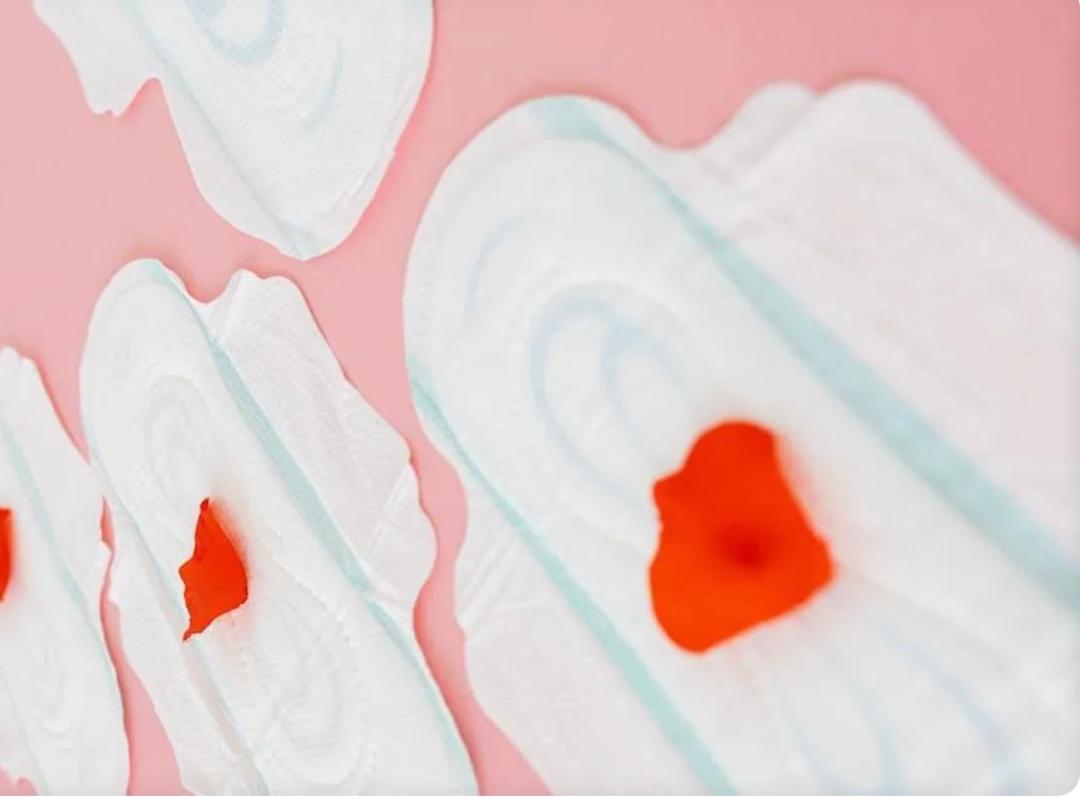
The South African government has reassured women and girls that sanitary pads remain safe to use following widespread concern sparked by a recent research study that detected small quantities of endocrine-disrupting chemicals in some menstrual products.
Officials, together with leading scientific and medical experts, addressed the issue during a joint media briefing on Sunday hosted by the social protection, community and human development cluster, co-chaired by health minister Aaron Motsoaledi.
The briefing followed intense public debate and anxiety after findings from a study conducted by the University of the Free State gained traction across news platforms and social media, prompting numerous questions about possible health risks.
Study sparks public concern
The research, conducted by the department of chemistry at the University of the Free State, was published in the ‘Science of the Total Environment’ journal in February.
The study analysed 16 sanitary pads and seven pantyliners purchased online to determine whether they contained endocrine-disrupting chemicals.
Researchers found that all of the products tested contained at least two types of these chemicals, including parabens, phthalates and bisphenols.
Even products marketed as ‘chemical-free’ were found to contain small amounts of the compounds.The study suggested that menstrual products could represent an overlooked source of exposure to endocrine-disrupting chemicals.
Information accompanying the research indicated that exposure to such chemicals has been associated in scientific literature with possible health concerns, including hormonal imbalances, fertility challenges, endometriosis and certain reproductive cancers.
As the findings circulated widely online, they triggered alarm among many women and young girls who rely on menstrual products every month.
Understanding endocrine-disrupting chemicals
Experts explain that endocrine-disrupting chemicals are not unique to menstrual products and are commonly found in a wide range of everyday items.
These include cosmetics, food packaging, clothing and various personal care products.
Scientific specialists emphasised that the detection of a chemical does not automatically mean it poses a danger to human health.
Establishing harm requires rigorous evidence showing a clear link between exposure to a chemical and specific health outcomes.
According to the experts consulted, the research from the University of the Free State did not establish such a causal relationship.
They also point out that exposure to endocrine-disrupting chemicals occurs through multiple sources and is often higher from other everyday products than from menstrual items.
The concentrations were reported to be significantly below internationally accepted permissible limits established by global expert panels that guide product safety standards used by regulators worldwide.
Specialists explain that menstrual products contribute only a small fraction to a person’s overall exposure to these chemicals.
Available estimates suggest that roughly 6.8% of exposure may come from menstrual products, while much larger proportions originate from food sources and other personal care items such as toothpaste, shampoos, conditioners, lotions and cosmetics.
This broader context, experts say, is critical when interpreting the findings of the study.
No evidence of direct health impact
Another key point emphasised during the briefing was that the study did not prove that sanitary pads cause health conditions such as infertility, cancer or endometriosis.
Establishing such a connection would require extensive long-term research capable of isolating the specific impact of chemicals from menstrual products while excluding other possible sources of exposure and risk factors.
The Free State study was not designed to do this.
Experts, therefore, cautioned against drawing conclusions that the presence of these chemicals directly leads to disease.
Regulatory oversight remains in place
Regulatory authorities also addressed questions about product safety and oversight in South Africa.
The South African Health Products Regulatory Authority say sanitary pads are classified as low-risk medical devices under the Medicines and Related Substances Act of 1965.
Although manufacturers are exempt from licensing requirements, they must still comply with international manufacturing and safety standards.
The authority indicates that it has not received reports of adverse health effects related to the use of sanitary pads.
However, systems remain in place for members of the public to report any potential adverse events so that regulators can investigate.
Other organisations involved in monitoring product safety include the South African Bureau of Standards, the National Compulsory Standards Regulator and the National Consumer Council.
Global perspective from the World Health Organisation
The World Health Organisation also provides context on the global use of menstrual products and the broader issue of exposure to endocrine-disrupting chemicals.
International health experts note that exposure to these chemicals occurs through many widely used consumer products.
Regulatory decisions, therefore, involve balancing potential chemical exposure against the significant public health benefits of essential products.
Access to menstrual products is considered an important component of public health and universal health coverage.
According to international health authorities, there is currently no clear evidence linking sanitary pad use to harmful health effects.
Global regulators have not withdrawn menstrual products from the market because of concerns related to endocrine-disrupting chemicals.
University clarifies scope of research
The University of the Free State has issued clarification about the intent of its research following the widespread attention the study received.
The institution states that the study did not claim that short-term use of menstrual products causes specific health conditions.
It was also not designed to establish a direct cause-and-effect relationship between the detected chemicals and diseases in women.
Instead, the research presented peer-reviewed scientific data and highlighted areas that may require further scientific and clinical investigation.
The university confirms that the findings were not intended to serve as medical advice or recommendations about product use.
Reassurance for women and girls
Following consultations with scientists, clinicians and regulators, the government said there is currently no evidence that sanitary pads sold in South Africa pose a health risk to users.
Officials stressed that while the study contributes valuable scientific data and may guide further research, the available evidence does not support calls to stop using menstrual products.
Women and girls have been reassured that sanitary pads remain safe to use, while regulators and health authorities continue to monitor the situation and support further scientific research where necessary.
IOL News
In an age of information overload, Sunrise is The Namibian’s morning briefing, delivered at 6h00 from Monday to Friday. It offers a curated rundown of the most important stories from the past 24 hours – occasionally with a light, witty touch. It’s an essential way to stay informed. Subscribe and join our newsletter community.

The Namibian uses AI tools to assist with improved quality, accuracy and efficiency, while maintaining editorial oversight and journalistic integrity.
Stay informed with The Namibian – your source for credible journalism. Get in-depth reporting and opinions for
only N$85 a month. Invest in journalism, invest in democracy –
Subscribe Now!