



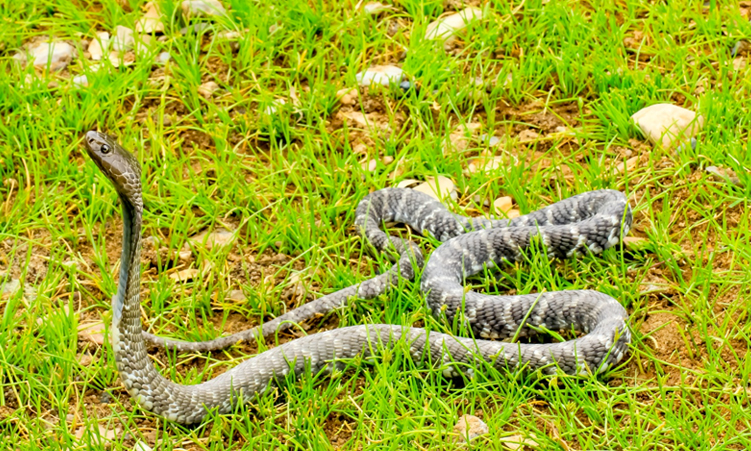
Despite being preventable, snakebites continue to claim lives across Namibia, particularly among children in rural areas.
Jacobus Henn from the Snake Conservation Association of Namibia (Scan), says limited data collection, poor awareness and delayed emergency response remain some of the biggest challenges in reducing fatalities.
“There’s no official record kept by the Ministry of Health and Social Services or government on snakebite cases,” Henn said in an interview with Desert FM, The Namibian’s radio station.
“From what we know through the Namibia Snakebite Interest Group and reports from communities, we record around 100 to 150 bite cases with 10 to 20 fatalities annually, but the real number could be far higher.”
‘ACCIDENTAL’ VISITORS
Henn says most incidents occur in rural villages where people often sleep on the ground or live close to refuse that attracts prey like rodents and lizards, which in turn attract snakes.
He says children are the most vulnerable: “A child’s body is small and can’t handle venom like an adult’s. Many don’t survive if help doesn’t come quickly.”
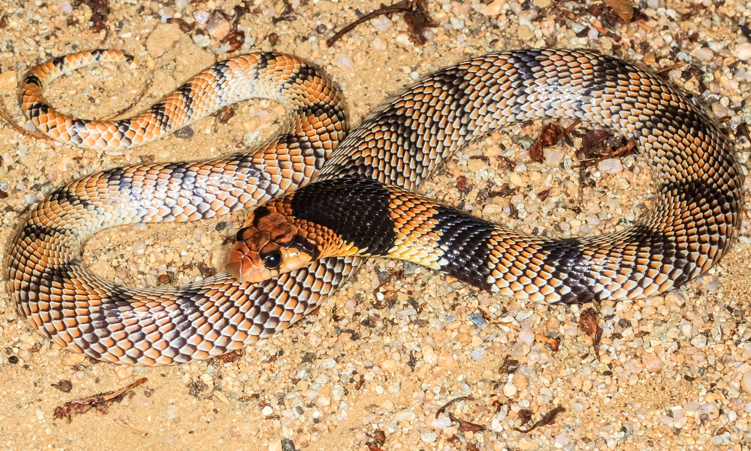
Snakes are sometimes found inside people’s houses but not because they want to attack, Henn says.
“They’re usually following small animals like mice or lizards. When we leave piles of rubbish, garden waste or building rubble lying around, we create perfect hiding spots for these prey animals, and the snakes follow.”
To prevent such encounters, Henn advises communities to keep their surroundings clean, seal holes or cracks in walls and avoid leaving clutter that could attract rodents.
“If your yard is clean, you’re less likely to invite snakes,” he says.
When it comes to responding to a snake sighting, the most important rule is not to panic or engage.
“Snakes are not out to get you. They don’t chase people, in fact, they want to get away. If you see one, step back, keep an eye on where it goes and call someone trained to remove it,” Henn says.
He warns against trying to kill or catch snakes, as this is when most bites happen.
“Don’t try to be a hero. Just move away, keep your pets away, and watch the snake from a safe distance until help arrives,” he advises.
PROPER TREATMENT
Henn also calls for better emergency care in rural clinics, where victims are sometimes sent home without proper treatment.
“We’ve had cases where treatment was delayed or inadequate, with some patients remaining without treatment for days, often leading to loss of limbs and disfigurement,” he says, urging the government to utilise existing protocols and training.
Scan and the Namibia Snakebite Interest Group are now developing an emergency communication system to send treatment guidelines directly to local clinics and doctors.
Education, he stresses, remains the most powerful tool.
“We reach around 2 000 schoolchildren every year through talks and outreach. Teaching people to keep their yards clean, not to provoke snakes and to respond calmly can save lives.”
STAY ALERT
As an example of success, Henn points to Eswatini, where snakebite deaths were eliminated thanks to government cooperation with experts.
“That’s proof that partnership and commitment can save lives. Namibia can achieve the same,” he says.
For now, he urges communities to stay alert and remember the basics: don’t kill snakes, keep your area clean and seek medical help immediately after a bite.
“The tools and expertise exist,” Henn says. “What’s needed now is awareness, action and collaboration.”
In an age of information overload, Sunrise is The Namibian’s morning briefing, delivered at 6h00 from Monday to Friday. It offers a curated rundown of the most important stories from the past 24 hours – occasionally with a light, witty touch. It’s an essential way to stay informed. Subscribe and join our newsletter community.

The Namibian uses AI tools to assist with improved quality, accuracy and efficiency, while maintaining editorial oversight and journalistic integrity.
Stay informed with The Namibian – your source for credible journalism. Get in-depth reporting and opinions for
only N$85 a month. Invest in journalism, invest in democracy –
Subscribe Now!